
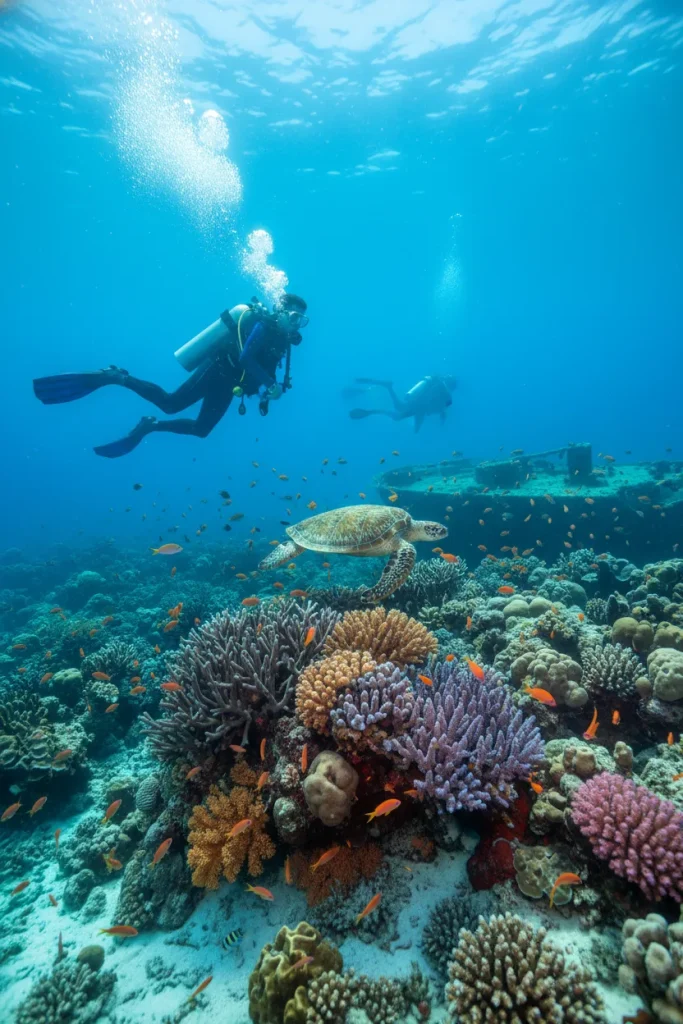
Thinking of squeezing a scuba diving tour into a short Anguilla getaway? Good news: Anguilla scuba options are compact, friendly, and surprisingly rewarding for brief visits. Whether you’re a certified diver chasing reefs or a curious first-timer wondering about scuba diving in Anguilla, this quick guide helps you decide fast.
Real travelers say it best. “We did two easy dives and still had an afternoon for the beach,” reports Sarah from Boston after a scuba diving tour with a local operator. Marco, who booked a scuba diving tour in Anguilla as a surprise for his partner, said, “The instructor made everything calm and clear—perfect for our short stay.”
We’ll cover who benefits most from short-stay diving, what the Anguilla scuba experience typically includes, and the practical paperwork and timing you’ll want to sort before you go. If you’ve only got a few days, here’s how to make that Caribbean dive day trip count.
✅ Browse Anguilla Tours On Viator
Planning a trip to Anguilla? Explore our Anguilla Guides for hotels, beaches, travel tips, and more.
Is a Scuba Diving Tour in Anguilla Worth It for Short Stays?
Quick trips demand smart choices. If you’re asking whether an Anguilla dive is worth it when time is tight, the short answer is yes for many travelers. You can pack meaningful underwater time into a long weekend if you plan ahead and pick operators that run morning or half-day boat trips.
Why Anguilla is a strong short-stay dive option
Anguilla’s reefs sit close to shore, so boat runs stay short and surface time drops. Water clarity and mild currents keep dives relaxed for certified divers and Discover Scuba guests. Local shops like Anguilla Watersports and Dive Anguilla focus on small groups, which helps if you want a personal, authentic experience rather than a crowded cruise-boat feel.
Typical dive experiences you can fit into a few days
One morning can cover a two-tank boat trip with reef walls and shallow fringing sites. You can add a Discover Scuba session or a wreck exploration on day two. Expect 40–50 minute bottom times on most guided dives and easy scheduling for afternoon snorkels. These compact itineraries make short-stay scuba trips practical for families and solo travelers alike.
How Anguilla compares to other Caribbean dive stops (Bonaire, Roatan, Turks & Caicos)
In a Caribbean dive comparison, each island has clear advantages. Bonaire excels at unlimited shore diving and low logistics, which suits repeat dives and longer stays. Roatán offers dramatic walls and varied topography that reward deeper or wall-oriented dives. Turks & Caicos delivers big walls and chances to see large pelagics with short boat hops from Providenciales. Anguilla sits between those options: it delivers easy-access reef sites, occasional wrecks, and a relaxed vibe that pairs well with quick itineraries and local operators.
For travelers weighing islands, think about priorities. If you want a hassle-free dive day, short-stay scuba in Anguilla gives you high-quality reef time with minimal transit. If maximum underwater hours or specialty wall dives matter most, consider Bonaire or Roatán instead. Anguilla reef dives shine when you want a balanced mix of accessibility, calm conditions, and an island that feels quietly explored.
Scuba Diving Tour: What to Expect — Logistics, Time, and Itinerary
Planning a short dive trip to Anguilla means thinking like a local: keep schedules tight, expect clear briefings, and leave buffer time for transfers. Below are the practical points that shape your experience so you can decide what fits your days and energy level.
Average duration of shore and boat dives available from Anguilla
Most two-tank boat trips run about 4–6 hours from check-in to drop-off. That includes travel to sites, surface intervals, and gear checks. Shore dives tend to be shorter on the water but may include the same pre-dive paperwork and briefings.
Discover Scuba intro dives are typically half-day affairs. You should expect 40–45 minutes in shallow water after a short on-land lesson. Certified divers often do a reef plus wreck combo with the first dive deeper, the second shallower and more relaxed.
Booking timeline: how far ahead to reserve, checking availability
Start checking availability as soon as your travel dates are fixed. For peak season and weekends, book at least 4–6 weeks out. If your trip falls during a holiday or cruise surge, reserve earlier.
Follow a simple order: pick your operator, confirm the dive schedule, reserve flights, then complete required forms. That makes the dive booking timeline smoother and reduces last-minute stress.
Transfers, meeting points, and coordination with flights or cruises
Boat operators may offer island transfers for a small fee. Expect range-based prices that vary by pickup location. Factor transfer time into your arrival plans, especially when flights are tight.
If you arrive by cruise, coordinate excursion pickup times with the ship’s schedule. For flights, aim to land with a buffer of at least two hours before your dive meetup to allow for baggage and customs.
Required documentation and forms (certification card, medical waivers, passport tips)
Bring your diver certification card and a photo ID. Many shops ask you to complete liability releases and the RSTC medical statement in advance. If you have a medical condition such as asthma or diabetes, get physician clearance per operator rules.
Check passport validity before travel. U.S. passports often need six months’ validity beyond your return date and a couple of blank pages. Operators may request printed itineraries or passport copies when arrivals are tight.
- Pack copies: printed certification and an ID copy make check-in faster.
- Fill forms early: complete waivers online when offered to save time.
- Ask about extras: nitrox, gear rental, and private guides are common add-ons.
Who This Scuba Diving Tour Is Best For — Skill Levels, Travelers, and Groups
Whether you have one full day or a long weekend in Anguilla, this marine experience fits a range of travelers. Read on to see which options match your skill level and schedule so you can pick the right dive or shore alternative without guesswork.
Certified divers with limited time: best options and site types
If you are already certified, many operators list certified diver options in Anguilla that suit tight itineraries. Two-tank morning or afternoon boat dives pair a shallow reef with a deeper wreck or wall, giving variety in a single half-day outing.
Shops usually ask for your certification card and a recent dive on file. Pick sites near road access to cut transit time and ask the operator about current profiles so you get one easy, guided dive first, then a more adventurous second dive if conditions allow.
New divers and Discover Scuba candidates: what a short trip offers
Discover Scuba in Anguilla is ideal for short-stay travelers who want a safe introduction without a full course. Sessions include a skills briefing in shallow water, supervised practice, and a guided shallow dive to spot reef life.
These programs work well for guests with basic swimming ability and the minimum age requirement. Expect clear instructions, patient instructors, and a single memorable underwater hour rather than extensive training.
Families, cruise passengers, and solo travelers — suitability and alternatives
Families benefit from family-friendly dives that mix Discover Scuba, shallow guided dives, and snorkeling for younger or non-diving members. Many operators adapt timing for cruise schedules so you return to ship or airport with time to spare.
Solo travelers find it easy to join public guided dives or opt for private spots on group trips to make new friends. Cruise passengers should book shore excursions through reputable shops to match tender or port timings.
Group bookings, private charters, and custom packages from travel agents
- Group bookings: Reserve blocks with local shops to secure consistent gear and guided leadership for everyone.
- Private charters: Choose a private day charter to control departure times and dive sites when the schedule is tight.
- Custom packages: Travel agents and specialists can bundle certified dives, Discover Scuba sessions, transfers, and lodging into a single itinerary for groups and families.
Talk to the dive operator or travel advisor about paperwork needs and meal breaks so the day runs smoothly and fits your wider travel plans.
What To Know Before You Book — Safety, Costs, Gear, and Insurance
Before you reserve a dive day in Anguilla, take a moment to line up paperwork, kit, and protection so the trip runs smoothly. Small choices made now save stress on arrival and keep dive safety in Anguilla front and center for your group.
Safety and medical requirements
Most operators will ask you to complete reservation forms and liability releases. Expect the RSTC medical statement for courses and some dives. If you have health concerns, a physician’s signature may be required and often must be dated within a specified window.
Tell your dive shop about recent illnesses, surgeries, or medications before travel. That keeps diving decisions clear and supports good dive safety in Anguilla practices.
Equipment: rental versus bringing your own
Decide if you want to travel with your gear or use local options. Many shops offer dive gear rental that covers tanks, weights, and basic regulators. Renting removes airline hassles and baggage fees, but you might prefer your own mask and fins for comfort.
Ask the shop about specialty gear and nitrox availability. If you plan to dive on nitrox in Anguilla, operators normally require a signed nitrox waiver and may charge an extra fee for fills.
Pricing, what’s typically included, and add-on costs
Standard guided dives generally include tank, weight, and a divemaster or guide. Discover Scuba packages usually add instruction and supervised shallow dives. Boat or shore transport is often part of the base price.
Extra costs can include wetsuit rental, nitrox fills, higher-tier equipment, fuel or transfer surcharges, and private-guide fees. Ask for an itemized breakdown when you book so you know what’s covered.
Insurance and trip protection
Specialist dive accident insurance is strongly recommended for Caribbean trips. Look for policies that include dive-related accidents and emergency evacuation. Many experienced divers carry separate dive insurance in addition to general travel coverage.
Check your travel plan for trip cancellation, medical care, and COVID-related protections. Carry proof of coverage and emergency contact info on every dive.
Environmental and local rules
Operators in Anguilla follow reef-protection guidance and “Dive Green” practices. Expect rules about not touching coral, no-take policies, and careful anchoring. Following local advice preserves sites and improves dive safety in Anguilla for everyone.
Before you go, confirm pickup times, stack your documents, and review any local advisories. A quick pre-dive checklist keeps the focus on exploring, not scrambling, and makes it easier to enjoy the water responsibly with peace of mind about dive gear rental, nitrox in Anguilla options, and having adequate dive insurance.
Conclusion
If you only have a few days on Anguilla, a scuba diving tour can be a memorable, doable highlight. For certified divers, one or two guided dives or a quick refresher fits neatly into a short itinerary. New divers can also book a Discover Scuba session that usually completes in a half day. To book a dive in Anguilla for a short stay smoothly, prioritize advance reservations and confirm transfer logistics with the operator.
Before you go, bring your certification card or complete any RSTC medical forms honestly, and consider dive accident insurance. Rental gear is widely available, but packing essential items like a mask and dive computer can save time. These Anguilla dive tips—early booking, documentation, and appropriate coverage—reduce stress and improve the experience.
Choose a trusted local operator or travel agent to bundle transfers, cruises, and dives when you want minimal hassle. Travel with a curiosity-first mindset: Anguilla rewards divers who value calm, authentic reef encounters over chasing long checklists. Follow reef-friendly rules, respect marine life, and leave the underwater world as you found it for future visitors.
In short, this Anguilla scuba guide comes down to a few simple things: plan ahead, keep safety and sustainability front of mind, and you can turn a short stay into a genuine underwater highlight. With simple preparation and the right operator, a quick diving trip here is well worth making time for.