
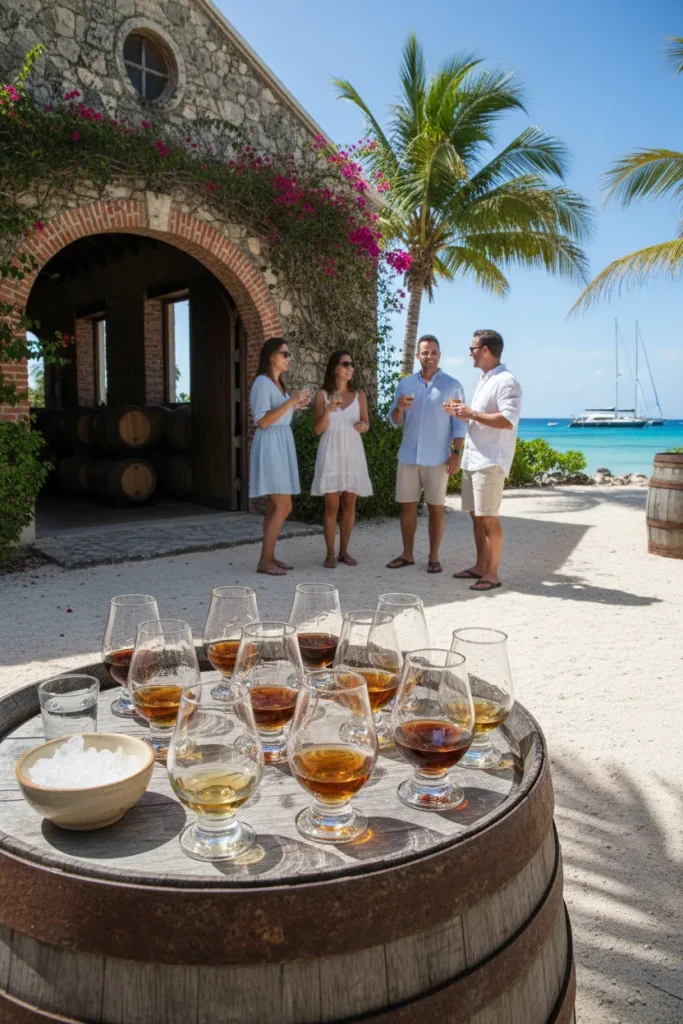
What are the best rum tours in Aruba? The best options are guided rum tastings, distillery-style experiences, cocktail and mixology classes, food-and-rum pairing tours, private tasting routes, and culture-focused tours that combine local flavors, Papiamento phrases, and Caribbean rum history.
Aruba rum tours are worth considering if you want a tasting experience that goes beyond a beach bar cocktail. You can learn how different rum styles are made, compare light, amber, spiced, and dark pours, try simple cocktail techniques, and pair rum with local bites that reflect the island’s Dutch, Caribbean, and Latin influences.
Guests say it best. Diane from New York told a local guide, “This rum tasting was a highlight—so knowledgeable and lively.” Another visitor, Carlos from Miami, said, “The best rum tours mix culture and flavor in a way that feels genuine.”
This guide explains what to expect on Aruba rum tastings, how to choose the right tour for your style and budget, practical tips for safe planning, food pairing ideas, and what visitors say about the island’s rum experiences.
✅ Browse Aruba Tours On Viator
Planning what to do? Explore our Aruba Tours & Things to Do guide for tours, activities, and trip ideas.
Planning a trip to Aruba? Explore our Aruba Guides for hotels, tours, beaches, and travel tips.
Why Aruba Is a Must for Rum Lovers: Island History and Local Flavor
Aruba packs coastal charm, history, and lively food culture into a small island that rewards curious travelers. When you walk into a tasting room or a beachside bar, you feel the weight of Caribbean rum history and the playful creativity of modern bartenders. These pages help you connect rum styles to place, from light silver blends to deeper spiced and aged varieties that reflect local taste.
Aruba’s rum culture and Caribbean context
Rum’s roots in the Caribbean stretch back to 17th-century Barbados and spread to Jamaica, Puerto Rico, and Martinique. Aruba’s role is part of that larger story: sugarcane trade and aging practices shaped flavor profiles across the region. On Aruba, the scene blends heritage with innovation, so the rum culture feels both classic and fresh when you sample local labels or house-made infusions.
Papiamento, local language and cultural connection
Learning a few phrases in Papiamento brings immediate rapport with guides, bartenders, and vendors. Simple greetings and toasts open conversations about recipes, aging choices, and the island’s spirit traditions. Tours where guides use Papiamento and English give you richer context about production and why certain blends resonate with locals.
What “local flavor” means on Aruba
Local flavor on Aruba goes beyond rum in a glass. It includes local cuisine, where seafood, cactus-based dishes, and Caribbean spices meet Dutch and Latin influences. Pairings that match a rich dark rum with stewed goat or a citrusy cocktail with pan-fried fish show how food and drink tell the island’s story. When you aim for authentic experiences, you seek meals, language, and bar stories that tie bottles to the beach, the kitchen, and community traditions.
Rum Tours In Aruba
Aruba packs a surprising range of rum-focused outings into its compact coastline. You can pick a short tasting by the beach or a longer, behind-the-scenes visit that blends culture, food, and flavor education. Expect fewer crowds than giant operations like Casa Bacardi, with more personal guides and local stories woven into each stop.
Types of rum tours available
Choices run from casual flight tastings to hands-on masterclasses led by experienced bartenders. Introductory tastings suit first-timers who want clear notes on light, amber, spiced, and dark rums.
Connoisseur options mirror global standards: cellar or cask sessions, private guided production tours, and mixology workshops where you learn classic cocktail recipes step by step. These tour types make it easy to pick an experience that fits your taste and pace.
Top places to visit during a rum tour
Distilleries and tasting rooms cluster near tourist hubs and quieter villages. A typical route includes a production visit, a small tasting room, and a local eatery for pairings. Scenic coastal stops add local flavor between sips, giving you time to taste with a view.
For visitors wanting a Casa Bacardi-style alternative, Aruba offers boutique operations and independent rum makers focused on heritage, craft techniques, and island ingredients. Check whether guides hold industry credentials if you want deeper technical detail.
Tasting formats and what you’ll learn
Common tasting formats include classroom-style guided tastings, comparative flight tastings, and interactive mixology sessions. Each format teaches core topics: sugarcane origins, fermentation and distillation, aging impact, and tasting vocabulary like molasses, caramel, oak, and spice.
Flight tastings help you spot subtle differences across varietals. Masterclasses show how to build a daiquiri or dark-and-stormy while explaining balance and technique. Behind-the-scenes cellar demos reveal how oak and time shape final flavors.
- Quick tip: Ask about group size and whether the host is a certified blender or industry expert to match your learning goals.
- Pairing idea: Try a flight before a local food stop to see how rum interacts with Aruban cuisine.
How to Choose the Best Rum Tour for Your Taste and Budget
Deciding where to sip starts with knowing what you want from the day. Some tours are lively, full of mixology demos and spiced rums for party-seekers. Others move at a slower pace, focusing on history, aging, and small-batch pours for culture lovers. Families will want to confirm age rules and look for daytime options that pair tastings with food so everyone enjoys the outing.
Matching tour style to traveler type
Think about your group. If you’re traveling with kids, look into family-friendly options that include food or non-alcohol activities. If you crave privacy, private rum tours let you shape the schedule and ask deeper questions. Solo travelers or small groups may prefer public tours that encourage conversation with local guides.
What’s included in a typical tour price
Ask for a clear breakdown before you book. Typical packages include a guided walk, 3–6 tasting pours, and a cocktail demo. Premium options often add behind-the-scenes access, a souvenir glass, or food pairings. The price can rise when transportation, gratuities, extra cocktails, or private guide time are added.
- Basic: guided tour + tastings (3–4 pours).
- Standard: guided tour, tastings (4–6 pours), cocktail demo.
- Premium: private guide time, extended tastings, food pairings, souvenirs.
Accessibility, group size, and private tour benefits
Smaller groups—about 8–12 people—tend to offer better interaction and a more relaxed pace. Private tours let you tailor tastings, skip parts that don’t interest you, or focus on cultural stories. Confirm mobility access at each venue and ask whether ramps, elevators, or seating are available.
Check policies on non-drinking guests before booking. Accessible tours may welcome family members who do not drink, offering alternatives so everyone can join. Comparing what’s included keeps surprises low and makes it easier to choose the best fit for taste and budget.
Practical Tips Before You Go: Planning, Safety, and Local Etiquette
A little planning makes rum touring Aruba more relaxed and rewarding. Book ahead for specialty or small-group experiences, leave space for coastal stops and meals, and pick times that match your energy—late morning tours suit lunch, while afternoons work well for sunset tastings. These tips help you fit a tasting into a fuller island day without rushing.
Booking and timing
When booking rum tours, check the itinerary for travel time between stops. Small distillery visits and craft tastings can fill a half day, while combined culture-and-tasting routes may take most of the day. Reserve spots early for weekends and holiday periods to avoid sold-out tours.
Health, safety, and responsible drinking
Distillery tours often include multiple samples. Pace yourself, sip water between pours, and ask staff about high-proof offerings before tasting. Responsible drinking means planning transportation if you’ll taste beyond your limit. Use sunscreen, stay hydrated in the sun, and tell guides about allergies or dietary needs for food pairings.
Language, tipping, and cultural notes
Learn a few Papiamento phrases to open friendly conversations; simple greetings go a long way with guides and artisans. English is widely used, yet local phrases show respect and curiosity. For tipping, expect similar norms to U.S. practice—10–20% for guides and bartenders, or follow what the provider suggests.
Ask questions about local production and stories during tours. Respect crafts, listen to makers, and be open to pairings that reflect island flavors. These small gestures turn a tasting into a cultural exchange you’ll remember long after the last sip.
Sample Itineraries and Pairings: Taste Routes and Food Matches
Set aside a half-day or a full day to explore Aruba’s rum scene. Below are practical sample itineraries that suit curious travelers and food lovers. Each route blends tasting with local context so you leave with a clearer sense of island flavor and a few favorite bottles to take home.
Half-day tasting route
- Visit one artisanal distillery or a dedicated tasting room for a guided comparative flight of light and dark rums.
- Expect a rapid history briefing that covers local production and regional influences in simple, engaging terms.
- Finish with a short local food stop—think citrus ceviche or a fresh fruit plate—to test rum and food pairings.
- Practical tip: wear comfortable shoes and bring a notebook or phone to note bottles and tasting notes.
Full-day rum and culture route
- Combine visits to two or more tasting venues with behind-the-scenes access to distillation or aging areas.
- Join a mixology masterclass to learn 2–3 cocktails and pick up hands-on techniques you can repeat at home.
- Include scenic stops at coastal viewpoints for photos and a sit-down lunch featuring amber rum-friendly dishes with caramelized sauces.
- Sample local variations on classic formats so you can compare Aruba tasting routes against other Caribbean styles.
Suggested food pairings and cocktail ideas
- Light/silver rums pair well with citrus ceviche and fresh tropical fruit, brightening both drink and dish.
- Amber rums suit richer local plates with caramelized sauces, matching depth and warmth in the spirit.
- Dark rums work best with desserts and smoked meats where molasses and oak stand up to bold flavors.
- Classic cocktail ideas visitors enjoy: daiquiri with light rum, Dark ’n’ Stormy-style variants, rum sour, plus island twists using mango, guava, or passion fruit.
- Try neat sips for aged bottlings to appreciate oak, molasses, and time-driven complexity before mixing.
These sample routes fit well into broader rum itineraries whether you favor a quick tasting or an immersive day. Pack swimwear if a beach stop is on the plan and leave space in your bag for a bottle or two you’ll want to buy after the tour.
Real Guest Quotes and What Visitors Say About Aruba’s Rum Tours
Visitors leave vivid impressions after tasting rum on Aruba. Read a mix of short paraphrases and highlighted lines that reflect common themes from reviews and visitor feedback.
First-timer surprises:
- “I never thought I’d sip rum neat and enjoy it — the guide showed me how to taste.” Paraphrase of many first-time responses.
- “Learning the difference between light and dark rums changed how I order drinks.” Typical guest reaction found in rum tour reviews.
- “The spiced rum sample was a revelation; now I buy bottles to take home.” Summarizes frequent visitor feedback.
Aficionados and repeat visitors:
- “A rare cask sample made this trip worth the return.” Common sentiment from repeat tasters.
- “Guides here talk provenance and aging like sommeliers — that depth keeps me coming back.” Reflects guest praise about guide expertise.
- “Each visit uncovers different local blends and food pairings.” Paraphrase of longtime visitor feedback.
Family and casual group highlights:
- “Kids loved the non-alcoholic mixers while adults enjoyed the matching snacks.” Condensed family-friendly feedback.
- “The food pairings made the tasting approachable for everyone.” Typical quote from mixed-age groups.
Common praise:
- Clear, engaging guides who explain history and flavor profiles.
- Hands-on cocktail sessions that teach simple techniques.
- Scenic settings that make tasting feel relaxed and local.
Constructive criticism to watch for:
- Large groups that reduce one-on-one time with the guide.
- Rushed schedules that limit lingering over special pours.
- Unclear inclusions around transport or extra fees.
When you read rum tour reviews, look for operators that list group size, accessibility, and what’s included. That helps avoid the common trade-offs guests mention and improves your tasting experience.
Conclusion
Aruba’s rum scene blends history, craft, and local flavor in a compact, friendly package. From short tastings to full-day culture-and-rum routes with mixology and behind-the-scenes access, the best rum tours offer something for beginners and experts alike.
To plan a rum tasting, think about your style—party, culture, or family—and check what each tour includes. Look at accessibility and group size, book ahead to secure spots, and use simple Papiamento greetings to connect with hosts and deepen the experience.
When you book, savor responsibly, ask questions, and taste with curiosity. Try at least one guided tasting to appreciate rum’s diversity, and bring home a bottle or two that will remind you of Aruba’s unique island flavor.