
Planning trips to Grand Bahama is like opening a treasure map. Knowing what to watch for can help you avoid mistakes.
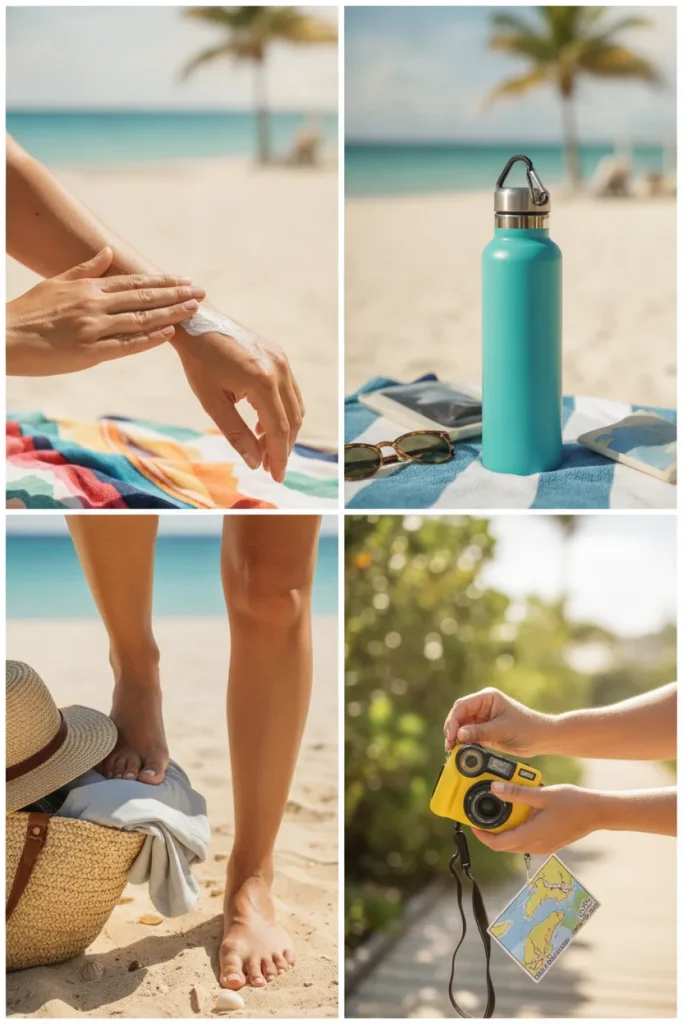
Think of this as friendly advice from someone who’s learned the hard way. Match the island vibe to your plans. Check ferry and flight logistics. Don’t forget reef-safe sunscreen and a reusable water bottle.
“We missed the last shuttle and had to improvise,” said Sarah from Atlanta. “It added a day of sightseeing we hadn’t planned, but it turned into a great memory,” she added. Her story shows how small timing choices shape the whole trip.
Freeport tour mistakes often come from assuming every provider meets the same safety standards. Verify life jackets, guides’ credentials, and whether operators are recommended by hotels or the Port Lucaya Marketplace.
Good Grand Bahama travel planning means tracking seasons. The dry season brings crowds and higher prices. Hurricane season calls for flexible bookings and solid travel insurance.
Common planning mistakes that ruin Grand Bahama tours
Planning a trip to Grand Bahama can seem simple. But, weather and logistics can surprise you. A bit of planning can make a huge difference. It’s important to choose the right dates, match activities to the island, and book tours in advance. Here are the most common mistakes to avoid.
Ignoring seasonal weather and hurricane season
Timing is key for your trip. The dry season in Grand Bahama is from December to April. This time offers calm seas and clear skies, perfect for boat trips and snorkeling. But, it also means more crowds and higher prices.
May and November are better for deals and fewer people. They have good weather too. But, hurricane season in Grand Bahama is from June to November, with the biggest risks in August to October. It’s wise to book flexible tours and get travel insurance that covers weather changes. Start watching the weather forecast about a week before your trip.
Failing to match the island type to your trip style
Grand Bahama is not for everyone. Freeport and areas like Port Lucaya and Taino Beach are great for families or first-timers. The best time to visit Freeport is during the dry months for better beach and day-trip experiences.
The East End and West End offer wild beaches and peace, but they’re not safe for swimming. They also lack restaurants and medical help. For these areas, bring water, sun protection, and a fully charged phone. Guided tours are safer and provide local knowledge.
Think about how you’ll get around and access healthcare before you go. Check the airport at Grand Bahama International (FPO), ferry schedules, and local shuttles. Use U.S. State Department advisories and CDC health guidance to plan your trip safely and enjoy the island experience you want.
Booking with unlicensed or unknown tour operators
Booking a boat trip or snorkeling day should be exciting, not risky. Many tours on Grand Bahama include snorkeling, boat charters, or guided nature trips. It’s important to ensure equipment is supplied and properly maintained.
Resorts and established operators often include gear and safety briefings. This reduces surprises and keeps your focus on the water.
Risks of unlicensed operators in Grand Bahama
Unlicensed tour operators Grand Bahama can mean worn life jackets and boats without maintenance records. They also lack insurance, raising the chance of accidents or sudden cancellations with no recourse. You might also encounter staged wildlife photo setups or unregulated animal interactions.
Street-sellers at ports may offer last-minute deals, but they are often unvetted. Without clear training for guides and no formal safety briefings, a fun day can turn into a safety problem. Always ask for proof of training and check for visible safety gear before paying.
How to verify reputable providers
To verify tour provider Freeport, start with recent reviews on established travel sites and recommendations from your resort. Ask the company directly about licenses, liability insurance, and staff certifications for water activities. A trustworthy operator will gladly share that information.
- Confirm whether life jackets are mandatory and available in the right sizes.
- Ask about emergency procedures and what communication gear the boat carries.
- Check whether the operator follows reef-safe policies and supports local conservation.
When you want a safe snorkeling operator Grand Bahama, prefer companies that publish safety protocols and conservation commitments. This gives you a better chance of a smooth trip and a positive impact on the island’s marine life.
Poor timing and booking too late for peak travel windows
Choosing the right time is key for a great Grand Bahama trip. The peak season, from December to April, attracts many visitors. This time offers steady weather but also means popular spots fill up quickly.
Understanding peak season demand in Grand Bahama
Daytime temperatures are pleasant, around 70–80°F. This makes it perfect for activities like diving, snorkeling, and fishing. Cruise arrivals and holidays like Christmas and spring break increase demand even more.
If you want to go on guided snorkeling or a private charter, book early. This ensures you get the best times and operators.
When to book for best value and availability
For those flying into Freeport, book tours well in advance for the high season. If you’re on a cruise, pre-booking shore excursions is wise. This way, you won’t miss out when the ship’s schedule clashes with busy tours.
Booking early also helps avoid price hikes. A good tip is to book tours early Freeport whenever you can.
Consider visiting during the shoulder season if you want better deals and fewer crowds. May and November offer nice weather without the crowds. You can find cheaper rates on charters, hotels, and transfers while enjoying the island’s main attractions.
If your plans depend on a ship or event, opt for refundable or flexible bookings. This way, you can adjust to any delays without losing your tour investment.
Underestimating local transportation and transfer logistics
When you arrive in Grand Bahama, you face a quick decision: plan your transfers or wing it. Booking Grand Bahama transfers in advance makes the first hour smoother. It gets you from the airport to your hotel without the hassle of finding a ride.
If you land at Freeport airport transfer FPO, a pre-booked vehicle saves you from long lines and haggling.
Not arranging airport or ferry transfers in advance
It’s wise to book ahead. Flights and cruises often arrive together, leading to long waits and few taxis. A reserved shuttle or private car ensures you arrive on time, even if you need to go through U.S. customs.
Pre-arranged transfers are usually refundable or changeable, giving you flexibility if your plans change.
Ignoring on-island transport differences
Transport options change depending on where you are. Jitneys cover short distances in town but stop early and rarely reach remote beaches. For places like East End, West End, and hidden coves, private transfers or tours are best. They save time and prevent getting stuck at dusk.
Driving in the Bahamas means you drive on the left side. Renting a car lets you explore, but be ready for narrow roads and uneven surfaces outside tourist areas. Always check the insurance and vehicle condition before renting. Keep valuables hidden and lock doors when parked.
For safe and fair rides, use licensed taxis Freeport. They have marked vehicles and driver ID badges. Avoid unlicensed drivers at ports, as they may offer low prices but pose risks. Always agree on the fare before you get in, or ask your hotel to book a metered taxi for you.
To wrap up, plan ahead for a smoother trip:
- Book Grand Bahama transfers for arrival and departure.
- Arrange a Freeport airport transfer FPO if flying in, and confirm the details.
- Look into driving in the Bahamas if you plan to rent, and check the road conditions.
- Choose licensed taxis Freeport or hotel-arranged pickups for short trips and nights out.
Skipping safety, health, and local advisory checks
Before you start your trip, do some quick checks. Look up the latest travel alerts and local advice. This can save you time and stress when you get there. Use trusted sources and check the advice for your planned activities.
Not checking travel advisories and local safety notes
First, check the Bahamas travel advisory from official sources. It tells you about areas to avoid and safety tips. The U.S. State Department advises caution in some areas due to crime and safety issues.
Plan to spend evenings in safe, well-lit places. Use reliable transport and ask about safe routes and conditions from your hotel or tour operator.
Neglecting health and water-safety precautions
Look at the CDC Bahamas advice on vaccines, mosquito prevention, and food and water safety before you pack. Bring insect repellent, sunscreen, and a refillable water bottle to stay hydrated. If you have ongoing health needs, check if local clinics and pharmacies can help.
When booking water activities, make sure operators use life jackets and explain what to do in emergencies. Water safety can change with the wind and current. Always check the sea conditions and swim with a buddy at remote beaches. Also, check if your travel insurance covers water sports and medical evacuations.
Here’s a quick safety checklist for Grand Bahama: check travel advisories, follow CDC health advice, choose licensed operators who focus on water safety, and keep emergency numbers handy. This prep makes your trip safer and lets you enjoy the island more confidently.
Overlooking sustainable practices and marine protection
Grand Bahama’s beaches and coral systems need careful attention from visitors. When planning tours, think about the long-term health of reefs and shorelines. Small choices on a single day can shape the island for years.
Harmful tour behaviors to avoid
Avoid touching, standing on, or collecting coral and shells. These actions harm fragile habitats and remove shelter for fish and invertebrates. Say no to staged wildlife encounters that let guests handle or chase animals for photos. Those moments stress local species and may be illegal.
Watch for large, unmanaged groups that crowd sensitive areas. Crowding increases trampling and pollution. Insist that guides keep distance from nesting birds, conch beds, and nursery zones.
How to choose eco-friendly tours in Grand Bahama
Pick operators that state clear conservation policies. Look for tours that limit group size, have reef-safe sunscreen Bahamas rules, and provide education about local ecosystems. Resorts and well-known companies often publish stewardship programs you can check before booking.
Ask whether guides partner with The Nature Conservancy, BREEF, or local marine groups and if the company donates time or funds to habitat protection. Favor sustainable tour operators Freeport that provide reusable water bottles, practice proper waste disposal, and enforce no-touch wildlife policies.
Bring your own reef-safe sunscreen Bahamas and follow guide instructions on where to swim and anchor. When you choose eco-friendly tours Grand Bahama, you help protect the island’s vibrant reefs and ensure future travelers can enjoy the same wild beauty.
Not reading cancellation policies and insurance fine print
Before booking any excursion on Grand Bahama, take a few minutes to read the fine print. Weather cancellations, cruise delays, and equipment issues are common. Picking flexible options gives you breathing room when forecasts change or your ship runs late.
Consequences of nonrefundable bookings
Nonrefundable tours might seem cheaper at first, but they can leave you exposed. If a storm forms or a supplier cancels, you might lose the full tour cost. Cruise passengers who miss shore excursions because of late arrivals often find refunds are rare unless the operator promises a specific policy. When travel plans hinge on a schedule, refundable tours Bahamas provide peace of mind and reduce last-minute stress.
Check if the operator covers weather cancellations, equipment failure, or rescheduling tied to cruise itineraries. Confirm if credits, reschedules, or full refunds are written into the booking terms. If you book through an online travel agency, read their separate rules; third-party platforms sometimes follow different refund windows and fees.
Choosing appropriate travel insurance
Choose a policy that names water activities and weather interruptions. Standard trip cancellation plans may not include high-risk experiences. Travel insurance for water activities should explicitly cover snorkeling, scuba, and jet-ski incidents, plus equipment loss or damage.
Check limits for medical evacuation and emergency transport. On more remote stretches near the Out Islands, air evacuation can cost tens of thousands of dollars. Look for plans that list weather-related trip interruption and cruise-connection protection.
Before you pay, compare three items: the tour cancellation policies Grand Bahama, the excursions’ own terms, and the travel insurance wording. When the three align, you travel with clarity and less worry.
Conclusion
Planning well makes your Grand Bahama trip smooth. Use a checklist for booking tours. Choose Dec–Apr for good weather, or May or November for deals. Pack reef-safe sunscreen, mosquito repellent, and light clothes.
Visit Lucayan National Park and Port Lucaya Marketplace for a great trip. Always book with licensed, reviewed tour operators. Make sure they have safety gear like life jackets and trained staff.
Book airport or ferry transfers early and agree on taxi fares. Stay safe by avoiding isolated areas at night. These tips help you avoid mistakes and keep your group safe.
Read cancellation policies and buy travel insurance that covers water activities and weather. Check the U.S. State Department and CDC before you go. Confirm licenses, pre-book transfers, and know local medical access.
Choose eco-friendly tours and secure refundable options. This reduces stress and keeps your plans flexible.