
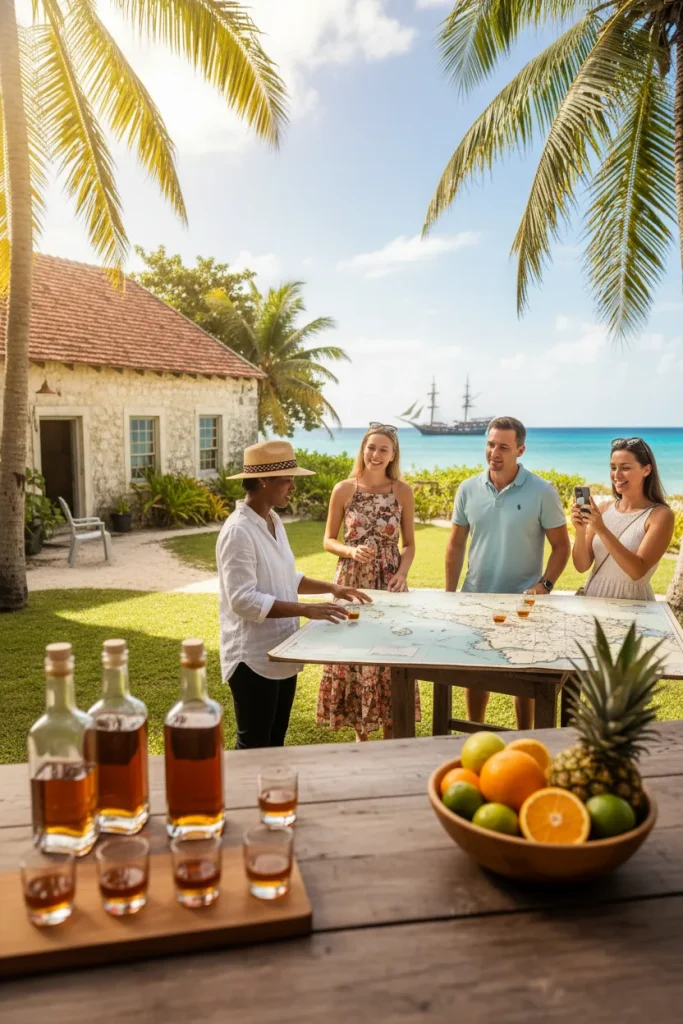
Ready to explore the Bahamas through rum? Rum tours here blend fun tastings with rich history. A top pick is the Nassau distillery tour at Buena Vista Estate, loved by many.
Imagine walking through Buena Vista Estate’s grounds. A guide will share how each bottle of Bahamian rum tells a story of local tradition.
Everyone from families to solo travelers will find something special. You can learn to mix drinks or just enjoy tasting different rums. It’s like getting a warm welcome from the locals.
“The guide made the history come alive, and the tastings were genuinely surprising,” said traveler Samantha Brown after her visit to the Nassau site.
We’ll show you the best tours, what to expect, and how to enjoy food, culture, and craft together. It’s all about experiencing the island fully.
✅ Browse Bahamas Tours On Viator
Top Picks for Rum Tours in The Bahamas
Ready to explore Bahamian rum beyond the beach bar? These curated picks offer hands-on distillery visits, short tastings for families, and deeper cultural tours in Nassau. You’ll find options that blend island history, small-batch craft methods, and authentic flavors from estates and boutique producers.
Why these tours stand out
Authenticity drives the best rum tours Bahamas. Many stops use traditional English rum-making techniques and locally sourced molasses for a flavor true to the islands. Tours at restored estates add heritage and artifacts to the story, so the spirit’s origin feels alive.
Small-batch craft is another selling point. Onsite fermentation and distillation reveal distinct profiles you won’t taste in mass-market brands. Guides explain aging, the Angel’s Share, and how barrel selection shapes aroma and color.
Highlights: tastings, distillery visits, and cultural immersion
Tastings are structured to teach. You move from unaged pale expressions to richer amber rums while guides point out sugarcane, yeast, and oak influences. Many tours include viewing coopered barrels and the bottling line, which makes production tangible.
Hands-on add-ons lift the experience. Mixology classes and self-bottling let you craft a souvenir and take home a memory. Cultural pairings bring out local dishes like conch salad and sky juice, giving context to each sip and making rum tasting highlights feel rooted in place.
How to choose the right tour for your interests
- History lovers: Pick tours based at estates that include historic narration and garden walks.
- Families and casual tasters: Seek short, complimentary tours with food stops and easy transport.
- Hands-on enthusiasts: Prioritize mixology sessions, bottling options, and longer masterclasses.
- Convenience seekers: Focus on tours near Nassau for simple booking and clear transit.
Each option in this list links culture and craft so you can match pace and depth to your trip. Use these criteria to pick from the top Bahamian distilleries and make the most of rum tasting highlights on your next island day.
John Watling’s Distillery: History, Tastings, and Buena Vista Estate Experience
The restored Buena Vista Estate Nassau sits on two acres of gardens and antiques. It offers a glimpse into the past, leading to areas where rum is made.
Historic Buena Vista Estate and guided distillery tour
The tour starts inside the estate, with exhibits covering over 300 years. You’ll see period rooms and the storehouse. Guides share how this place shaped local craft and culture.
Handcrafted rums: Pale, Amber, and Buena Vista
The visit focuses on small-batch rums. You’ll learn about the Pale, Amber, and Buena Vista rums. They show the skill and tradition of rum making.
What you’ll taste and learn on the complimentary tour
Tastings highlight the impact of aging and methods. You’ll try the three main rums. You’ll also see the bottling line and learn about the Angel’s Share.
Unique experiences: We B Learnin’ Rum Academy and self-bottling
Join the We B Learnin’ Rum Academy for mixology and guided sessions. You can also make your own rum souvenir to take home.
Practical info: location in Nassau, booking tips, and accessibility
The distillery is in central Nassau, making it easy to visit. Tours are free but book early as spots fill up. Take time to explore the gardens and check accessibility before you go.
Local Flavor and Cultural Tours That Include Rum Tastings
Explore Nassau with an open mind and a taste for adventure. Join short, four-hour tours that mix history, food, and local spirits. These tours let you try Bahamian dishes while learning about the island’s influence on flavors.
Cultural and culinary combination tours featuring conch salad and sky juice
On a conch salad tour Nassau, you’ll visit beachside shacks and local counters. Cooks prepare conch right before your eyes. You’ll learn about trimming and marination while enjoying fresh, citrusy bites.
Next, you’ll try sky juice, a chilled coconut-water drink with gin and nutmeg. It’s a refreshing contrast to the rich seafood and rum you’ve tasted.
Historic sites paired with local spirits and foodie stops
These tours combine visits to forts and colonial landmarks with family-run eateries. You might see Fort Fincastle before tasting a variety of rums. These rums reflect the island’s sugar-cane history.
Pairings show how local spirits enhance savory and spicy dishes. This creates a deeper understanding of Nassau’s culture as you explore its streets.
How these tours showcase Bahamian culture and island history
Guides share stories about fishing families, plantation history, and migration. These stories turn each tasting into a narrative. You’ll understand the significance of certain spices, preparations, and bottles.
Culinary and rum tours highlight these connections. They let you experience traditions shaped by island life through taste.
Shopping for island-made goods and rum souvenirs
Tours often include time for markets and craft stalls. Here, you can buy locally bottled rum, mixers, and handmade goods. Buying these items supports local artisans and keeps your memories alive.
We recommend packing a checked bag for multiple bottles. This way, you can bring home a piece of Nassau’s culture.
Planning Your Rum Tour Visit: Tips for Tastings, Transport, and Etiquette
Before you plan your rum tour in the Bahamas, think about timing and travel. A simple checklist can help you enjoy tastings, history, and beach time without rushing. It’s all about finding the right balance.
Best times to visit distilleries and book tours
Book your tour early, mainly during busy months and when cruise ships arrive. Visiting in the morning or early afternoon is best. It’s cooler and you’ll get more attention from your guide. Tours on weekdays are usually less crowded than those on weekends.
Transportation options around Nassau and other islands
In Nassau, you can use taxis, ride apps, tour pickups, or walk from central hotels. For other islands, consider ferries or flights and local taxi times. Make sure to leave some extra time for travel when visiting distilleries.
Tasting etiquette and how to get the most from samplings
When tasting rum, sip small amounts and breathe in to catch the smells. Compare your notes as you taste. Ask about how the rum is made, aged, and what to pair it with. Try a mixology class or We B Learnin’ session for hands-on cocktail lessons.
Combining rum tours with other island activities and historical sites
- Visit a distillery and then a nearby fort or museum for a deeper experience.
- Combine tastings with beach time or a local food market for a full day.
- Check tour lengths and pick-up points to avoid missing cruise ship times or island connections.
Remember to be respectful: ask before taking photos in production areas and follow rules at historic sites. These actions show you value the local culture and craftsmanship, making your visit more enjoyable.
Conclusion
The Bahamas has many rum tours that mix handcrafted spirits, estate history, and local food. You can try small-batch rums and learn about cane and copper pot techniques. This is all while meeting the people who keep these traditions alive.
Buena Vista Estate rum tasting at John Watling’s Distillery is a highlight. It offers free tours, a historic setting, and easy-to-drink rums like Pale, Amber, and Buena Vista. For those who want to learn by doing, the We B Learnin’ Rum Academy and mixology sessions are great. They teach you skills that go well with food, like conch salad and local juices.
Choose tours based on what interests you, like history, family-friendly tastings, or craft cocktails. Make sure to book early, as these tours can get busy. Whether you’re trying estate pours in Nassau or joining a cultural rum tour, you’ll discover unique flavors and stories. These make Bahamian rum unforgettable.