
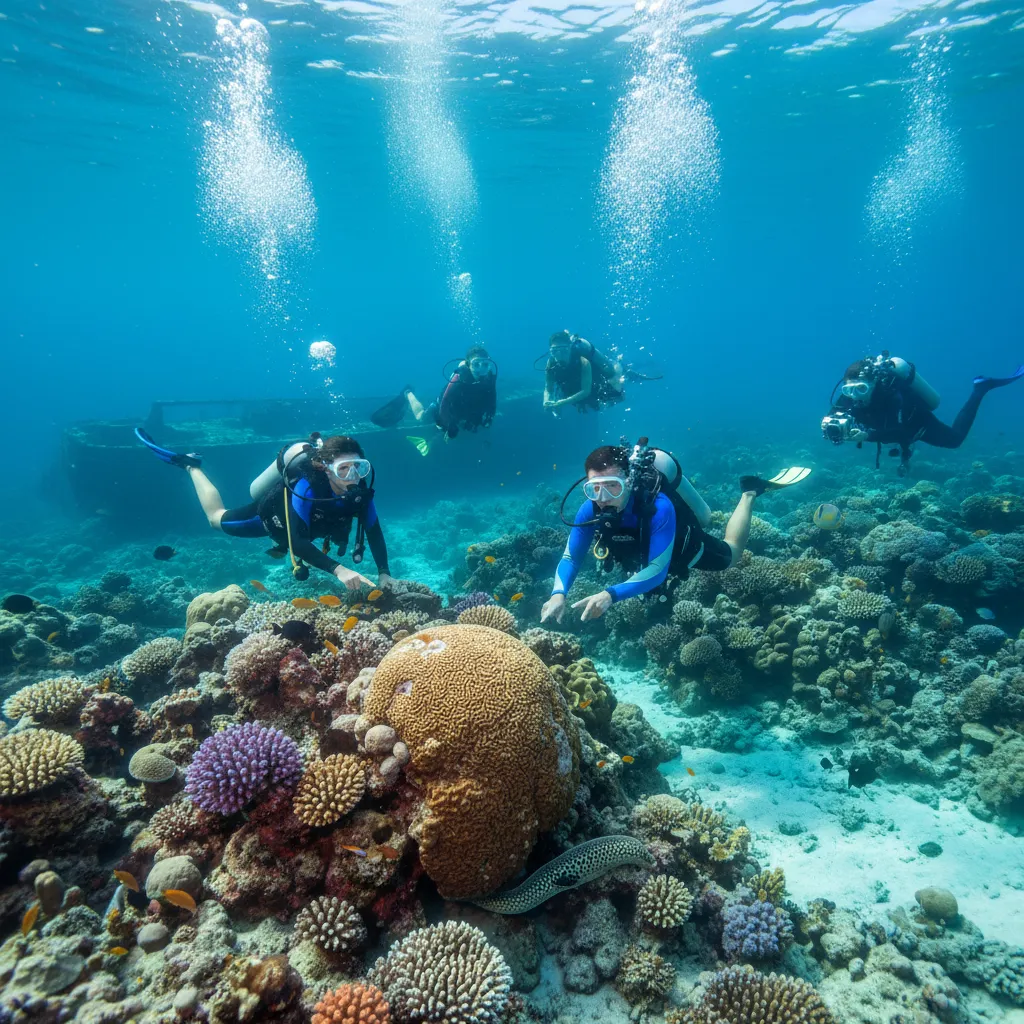
Wondering if an Aruba scuba diving tour is worth squeezing into a short trip? In many cases, yes — but only if you book the right kind of dive. If your calendar only has a couple of open days, the smartest Aruba scuba plans are the ones with clear meeting points, realistic timing, and an operator that makes the logistics feel easy.
Travelers ask whether scuba diving Aruba short trip plans are worth it because they want both convenience and a real underwater experience. This guide helps you decide if a short-stay dive will leave you exhilarated or frustrated, and it shares practical Aruba dive booking tips so you do not waste time or money.
Guests say it clearly. “Booking a well-organized half-day dive made it easy to fit scuba into our trip without losing a full day,” said one traveler after a short Aruba stay. Another guest noted, “The meeting point and timing were exactly as described, which made a huge difference on a packed itinerary.”
The biggest things to check are simple: who runs the boat, where you actually meet, how large the group will be, and whether you are booking directly with the dive shop or through a third-party seller. Those details will tell you quickly whether an Aruba Scuba Diving Tour is Worth It for your short stay.
✅ Browse Aruba Tours On Viator
Planning what to do? Explore our Aruba Tours & Things to Do guide for tours, activities, and trip ideas.
Planning a trip to Aruba? Explore our Aruba Guides for hotels, tours, beaches, and travel tips.
Quick overview: Is an Aruba Scuba Diving Tour worth your short trip?
If you have only a few days on the island, an Aruba quick dive overview helps you decide how to slot diving into your schedule. You can see wrecks, reefs, and clear tropical water without losing a day to travel. Many operators run multiple departures, which suits travelers who want to mix diving with beaches, dining, and sightseeing.
Why Aruba is a top short-trip dive destination
Aruba’s coastline keeps transit times short. From hotels in Eagle Beach or Palm Beach you reach popular sites quickly. Warm water and good visibility let you log memorable dives in one or two drops.
Wrecks like the Antilla and lively coral gardens sit close enough for efficient trips. That makes Aruba day diving a realistic pick for visitors who have limited time but big expectations.
Typical tour formats for visitors with limited time
Most guests pick two-tank morning trips that return by early afternoon. Single-tank shore dives or intro dives are available if you want a shorter, focused experience. Full-day options combine diving with snorkeling or a land stop for variety.
Operators offer short trip scuba Aruba packages that range from quick shore sessions to combined day programs. Ask whether the shop runs the boat or uses a third-party operator to avoid surprises.
Time investment: half-day, full-day, and multi-day options
Half-day trips work well for an afternoon or early morning slot. These often include a single tank or a guided shore dive and clear your itinerary for the rest of the day.
Full-day dives usually mean two tanks, early pickup, and a return by mid-afternoon. One guest report listed an 8:15 a.m. pickup as typical on busy days. Multi-day packages stack two-tank trips across several days when you have more than a short stay.
What “small-group” vs “cattle-boat” experiences mean for short stays
A small-group dive Aruba setup puts fewer divers on a center-console or small-day-boat. You get more attention from the dive guide and a better chance to hit specific sites in limited time.
Cattle boat diving Aruba involves larger boats with many divers. These trips can be efficient and reach farther sites, but they feel crowded and reduce flexibility for quick itineraries.
- Ask who runs the boat and whether resellers place you on larger operators.
- Choose small groups for personalized service when time is tight.
- Pick cattle-boat runs when you need maximum site access on a budget.
Aruba Scuba Diving Tour Worth It
When your stay in Aruba is short, every hour counts. Picking the right operator can boost dive value Aruba by giving you more bottom time, faster site runs, and fewer surprises at pickup. Read on to spot practical ways to squeeze the most from a two-tank morning or a single full-day trip without losing the island time you came for.
Value for time:
- Choose morning two-tank trips to maximize dives and still have the afternoon free for beaches or sightseeing.
- Prioritize sites close to the marina so boat transit doesn’t eat into dive time.
- If you have two or three days, book sequential dives with the same shop to cover varied sites more efficiently.
Cost vs convenience:
- When you book dive direct Aruba, you usually get clearer pickup details, exact boat type, and realistic group sizes.
- Booking agents or wholesalers can look cheaper or promise small groups, but they often funnel divers into larger operator trips.
- Ask who owns and operates the boat, which avoids surprises when a reseller’s marketing doesn’t match the actual launch.
Quality signals to look for:
- Small groups per boat and multiple boats owned by the operator reduce the chance of overbooked trips.
- Experienced dive masters, visible staff credentials, and photos of actual boats and gear storage show attention to detail.
- Clean, well-maintained boats and clear gear-handling policies reflect reliable service and higher dive quality signals Aruba.
Risks that can reduce value:
- Being rebooked through wholesalers or resellers may place you on a different boat than advertised, lowering dive value Aruba.
- Large, unexpected group sizes change the feel of the day and can slow down surface procedures and gearing up.
- Always confirm whether you are booking the operating shop or a broker to avoid Aruba dive booking risks and last-minute switches.
Who this tour is best for — ideal traveler profiles and fitness/skill considerations
Aruba attracts a mix of visitors. Some come for quiet reef dives and wreck exploration. Others want a quick, confident splash into Caribbean waters. Below are clear profiles to help you decide who should dive Aruba on a short itinerary.
Experienced divers looking for quality over quantity
Seasoned divers benefit from operators that focus on small-group diving Aruba and local knowledge. Dive masters who know Aruba’s currents and sites can string together two morning dives to hit varied reefs and wrecks without wasting daylight. Look for shops that advertise limited diver counts and varied site plans for efficient use of your time.
Beginners wanting a guided introduction on a limited schedule
If you need a gentle introduction, choose programs labeled beginner scuba Aruba or introductory dives. Good shops post clear student-to-instructor ratios and offer short shore or confined-water options before an open-water experience. Confirm pickup times and paperwork in advance to streamline the morning and avoid missing your single-window dive.
Families and groups: what to expect with mixed-ability divers
Family scuba Aruba often means different comfort levels in one party. Some dive shops split mixed groups by ability or provide parallel activities like snorkeling or a beach day for non-divers. When booking, ask if the operator can accommodate children, repeat divers, and first-timers in separate teams so everyone enjoys the day.
Travelers who prioritize small groups and personalized service
Small-group diving Aruba is the best bet for travelers who want attention and flexibility. Book directly with local operators that run their own boats to ensure the group size matches the listing. If a reseller handled your reservation, ask which shop will run the trip and confirm the expected diver count to avoid surprises.
Practical fitness and skill notes for all travelers:
- Comfortable swimming ability and basic buoyancy control help you get more out of quick repeat dives.
- Refresh dives or quick refreshers are useful if you haven’t dived recently; ask the shop if they offer them.
- Bring proof of certification when applicable, and confirm paperwork requirements before your morning pickup.
What to know before you book — practical tips, red flags, and planning advice
Short trips demand clear answers. Ask the right questions up front so your dive day runs smooth. Use these Aruba dive booking tips to avoid surprises and get more time in the water.
Ask before you book:
- Ask directly, “Will I be diving with your company, or are you booking me through another operator?” If you hear a reseller answer, request the name of the actual operating shop. This clears up common booking agent vs dive shop Aruba confusion.
- Real guest reports note mismatch in marketing versus reality. One party booked with a name that marketed as Aruba PRODIVE but was actually placed with Fly n’ Dive. Fly n’ Dive delivered great service, yet the switch felt confusing to guests.
Confirm pickup and meeting details:
- Get an exact pickup time and whether the pickup is from your hotel, the shop, or a meeting point. Guests have reported pickups showing up at 8:15 a.m. sharp, so plan accordingly.
- Ask for the transport company name, van description, and a contact number for same-day changes. Clear Aruba dive pickup info avoids wasted time and stress.
Gear logistics and rental checks:
- Check where you can store personal dive gear when not on the boat. Ask if the shop provides secure storage for bags and wetsuits.
- Inspect rental equipment on arrival. Confirm BCD fit, regulator free-flow and mouthpiece condition, tank visual inspection, and appropriate weights. Clean, well-maintained dive gear Aruba rentals signal a reputable shop.
- Guest feedback often praised Fly n’ Dive for its kept gear and smooth rental process.
Understand the boat setup:
- Center-console boats usually carry fewer divers, offer quick entries, and let dive masters give personal attention. They often match “small-group” photos in ads.
- Larger speedboats or liveaboard-style boats fit more divers and gear, and sometimes offer more amenities but less one-on-one time.
- Watch for marketing mismatches. Guests expected a 4-diver center-console and found themselves on a 15-diver boat instead.
Health, certification, and paperwork:
- Confirm the certification level required for each site and bring proof of certification. Many shops accept digital cards.
- Ask about medical forms, dive limits, and policies for people who haven’t dived recently. Find out if a quick refresher or guided shallow dive is offered.
- Signing waivers in advance speeds check-in and helps you keep to a tight schedule.
How to read reviews and spot inconsistencies:
- When reading dive reviews Aruba, cross-check mentions of resellers, pickup confusion, and whether the advertised boat was the one used.
- Look for consistent praise of experienced dive masters, punctual Aruba dive pickup, clean boats, and trouble-free rentals. Those signals match guest reports praising Fly n’ Dive staff and service.
- Pay attention to how operators reply to complaints. Clear, timely responses and photos of actual boats and staff show transparency.
Conclusion
An Aruba Scuba Diving Tour Worth It depends on how you book and what you value. If you want quick access to clear water, wrecks like the Antilla, and guided dives that maximize limited time, this is a strong short-trip choice. Ask upfront whether you’re dealing with a local dive shop or a reseller and confirm the actual operating company, pickup time, and boat type before you pay.
For the question should I dive Aruba short trip, prioritize operators with experienced dive masters, clean boats, and transparent gear policies. Inspect rental equipment, read reviews for consistent, concrete details, and choose small-group trips when you want a more personal experience. Booking directly with reputable shops often avoids surprises from third-party agents.
Who benefits most? Experienced divers who want efficient site access, beginners seeking guided introductions, families that need flexibility, and travelers who value authentic local service. If you’re set on a specific small-boat feel, verify that detail before booking to avoid a mismatch in expectations.
Aruba dive booking conclusion: plan deliberately, ask the right questions, and when in doubt book directly with known local operators. Dive smart and you’ll get the freedom and discovery Aruba promises—clear water, interesting wrecks, and memorable short-trip dives.