
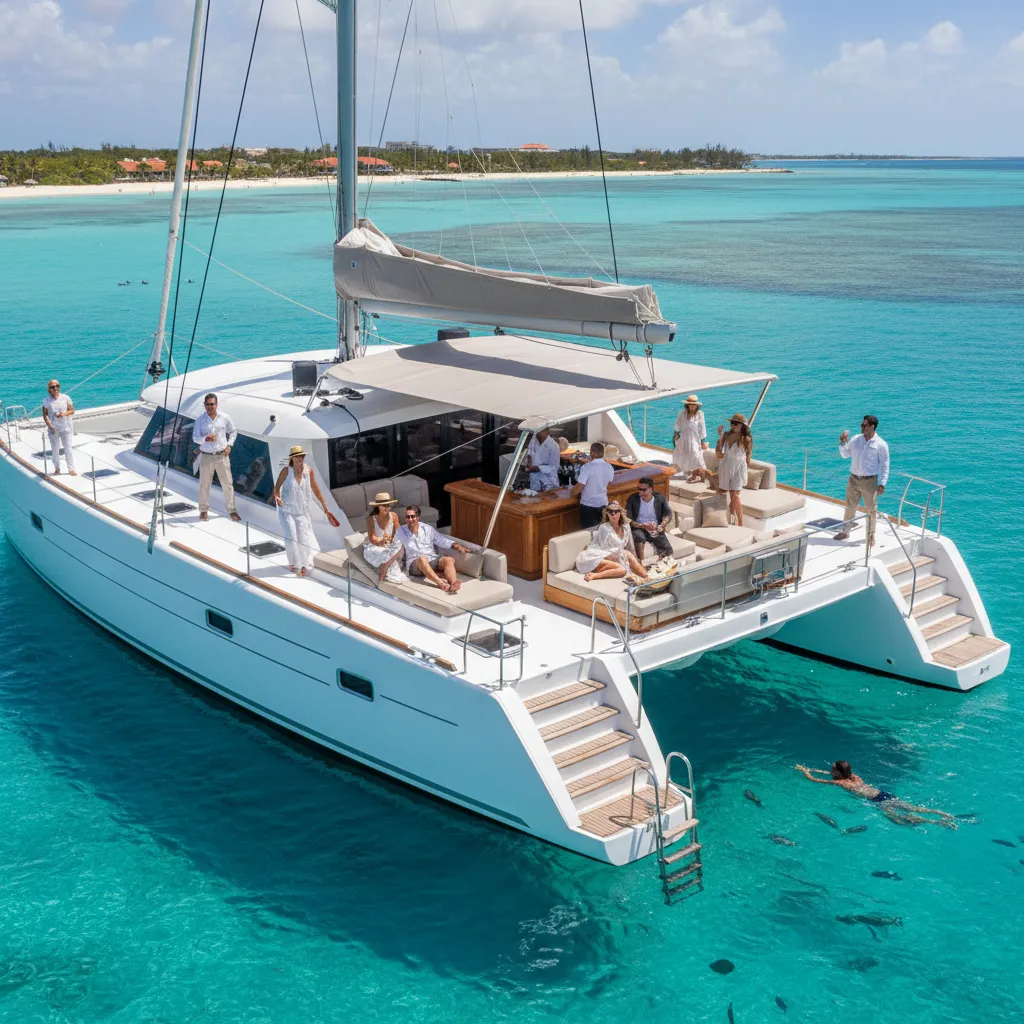
Trying to decide whether an Aruba luxury tour is really worth the splurge? For some travelers, it absolutely is — especially if you want one standout experience that feels effortless, exclusive, and memorable. But if your style leans more toward simple local experiences, Aruba can still feel special without the premium price tag.
Think of this as a friendly way to match your trip vibe with your budget. If your goal is one unforgettable moment — like an Aruba private yacht or access to the famous Renaissance Island flamingos — that splurge can become the highlight of the trip. If you prefer bakeries, local buses, and lower-key exploring, Aruba still delivers plenty without the big-ticket extras.
Guests say it best. “Booking a private yacht for a half-day made our trip. We saw secluded coves, and the service felt effortless — worth the price for our anniversary.”
Your travel decision really comes down to priorities: do you want curated luxury, or do you want to stretch your budget with more local discoveries?
✅ Browse Aruba Tours On Viator
Planning what to do? Explore our Aruba Tours & Things to Do guide for tours, activities, and trip ideas.
Planning a trip to Aruba? Explore our Aruba Guides for hotels, tours, beaches, and travel tips.
Why Choosing Between One Luxury Tour and Low-Key Activities Matters
Deciding whether to splurge on a single luxury tour or keep activities low-key shapes how you budget, what you see, and how you remember Aruba. Your choices affect daily spend, the pace of the trip, and which moments become the highlights.
How travel priorities shape your Aruba budget
If you prioritize travel experiences like a private yacht, Renaissance Island access, or guided VIP tours, your Aruba budget decisions will tilt higher. Those bookings buy convenience and curated moments, but they add $100–$500 or more per person for signature items.
If you prefer coffee-shop mornings, bakery finds, and slow beach days, you can keep daily costs low. A solo traveler who skipped group tours managed five days for about $510.81 by favoring cheap eats and free sights.
Common perceptions: “Aruba is expensive” vs. budget-friendly reality
Tourist-facing resorts and resort restaurants push the idea that Aruba cost vs value leans expensive. Local options tell a different story. Hostels and Airbnbs can cut lodging costs dramatically; examples include three nights in a hostel for roughly $184.50 or nine nights in an Airbnb for about $400.
Free and low-cost activities like Eagle Beach, Hooiberg sunrise climbs, the Donkey Sanctuary, Bushiribana ruins, and the free trolley let you explore without big spending. Food and transport often mirror U.S. prices, so total cost depends on whether you choose resort convenience or local alternatives.
What you gain and what you trade off when you splurge
Spending on a luxury tour buys time savings, privacy, and exclusive access—private beach areas, guaranteed flamingo encounters, and a crew handling logistics. That ease can turn one day into the trip’s standout memory.
Low-key choices deliver more days of cheap or free activities and a stronger feel for local life. The trade-off is missing some of the uniquely curated Aruba moments that can be costly to replicate on your own.
- Splurge benefits: time efficiency, VIP access, curated food and transport.
- Low-key benefits: lower per-day spend, local authenticity, flexible pace.
- Budget tip: weigh Aruba cost vs value by listing must-have experiences and nonessential extras before you book.
Aruba Luxury Tour Worth It
Deciding whether to book one standout experience on Aruba comes down to what matters most to you. A single luxury outing can create a memory you’ll tell for years, or it can feel like a polished version of something you could do on your own. Below we break down typical options, what to expect, and the practical value that helps you weigh the choice.
Typical luxury tour options and price ranges
Private charters and curated day packages lead the list. Small private sails surface in deal searches starting near $65 per person for shared options, but dedicated private yacht charters climb much higher depending on size and length.
Guided Seabob or Seascooter experiences often begin around $120 per person for Antilla wreck tours and reef runs. Day passes and exclusive resort access can vary widely, with some special-event entries from about $55 up to larger single-day rates above $100.
VIP packages that bundle transport, gourmet meals, and a private guide tend to sit at the upper end of the spectrum because they include logistics and personalized service.
Exclusive experiences to expect
On a private yacht Aruba offers calm cruising along the west coast, sheltered snorkeling coves, and the space to linger away from crowds. Expect windows for swimming and sun while crew handle navigation and hospitality.
Renaissance Island cost often reflects the value of up-close flamingo time plus the feel of a small, cared-for island. The attraction is more than a photo; it’s time with animals in a managed setting away from the main beaches.
Seabob Aruba prices cover motorized dives that bring you quickly to the Antilla shipwreck and vibrant reef corridors. The result feels cinematic: you move like a diver and see marine life in close, lively detail.
Value factors: time savings, privacy, VIP access, curated food and transport
- Time savings: Direct pickups and prioritized boarding shrink transit time and let you pack more into a short trip.
- Privacy: Smaller groups or private charters make a big difference for celebrations or when you simply want fewer people around.
- VIP access: Front-of-line treatment, reserved beach areas, and curated encounters can unlock parts of Aruba that are hard to replicate alone.
- Curated food and transport: Meals tailored to the trip and door-to-door transfers remove friction and reduce planning stress.
Weigh whether the premium pays for truly unique access—like flamingo interaction or a private stretch of sand—or if it mostly upgrades comfort and convenience. If your trip window is small or you prize seamless service, a single luxury tour can be worth it.
Who Should Splurge On One Luxury Tour — Traveler Personas
Deciding to spend on a single luxury tour can shape your whole trip. Below are typical Aruba luxury traveler personas who get the most from one standout experience. Read these and picture which fit your plans and priorities.
Couples celebrating special occasions
- Anniversaries, honeymoons, and proposals benefit from a private sail or a sunset cruise that creates a clear “wow” moment.
- Access to Renaissance Island for a private beach visit or coordinated resort perks turns an ordinary day into a memory you’ll keep forever.
- Polite hotel etiquette and small gestures—thank-you notes, respectful behavior toward staff—amplify the luxury feel at high-end venues.
Busy travelers with limited days
- When you have a long weekend, time matters more than money. A curated tour bundles highlights, transfers, and meals so you see more without wasting hours on logistics.
- Small-group or private options cut waiting times and keep your schedule tight, making a single splurge highly efficient.
First-time or milestone visitors
- Some signature moments are restricted. Flamingo Beach visitors know that Renaissance Island access can require resort guest status or a paid pass, so buying into that one experience may be the only way to get the iconic photo.
- For a milestone trip, that single, unmistakable Aruba moment can justify the cost because it’s unique and often not repeatable by DIY plans.
Luxury-minded travelers who prioritize service, comfort, and exclusivity
- Travelers who expect climate-controlled transfers, personalized guides, and white-glove service find clear value in a private tour or bespoke itinerary.
- Privacy and attention—like secluded beach stops, curated meals, and small-group limits—turn a splurge into sustained comfort rather than a one-off perk.
Who Should Keep Activities Low-Key — Traveler Personas
Not every Aruba trip needs a high-end tour. Some travelers get more from quiet mornings, simple meals, and nature than from curated VIP experiences. The island rewards curiosity, and a low-key plan can be deeply satisfying while staying wallet-friendly.
Budget-conscious solo travelers and backpackers
Solo travelers on a tight budget often skip paid excursions to stretch each dollar. Staying in hostels or budget guesthouses, bringing a personal snorkel and towel, and using credit card points for flights or hotels can lower costs. A five-day example showed a total near $510 by choosing free beaches and local bakeries over pricey tours, which is a practical playbook for Aruba on a budget.
Long-stay visitors who prefer local life
Visitors staying weeks or months benefit from slow travel Aruba. Renting an Airbnb for several nights, cooking with ingredients from the local market, and taking many small outings lets you learn neighborhood rhythms. This pace opens doors to community events, unhurried hikes, and quiet beaches that reveal the island’s true character.
Travelers who prioritize food, coffee shops, and independent exploration
If your idea of a great day is a morning pastry at a local bakery, then spend on everyday pleasures rather than on a single costly tour. Coffee shops and casual lunches offer social moments and flavor discoveries you won’t find on a busier itinerary. Choosing culinary experiences over guided trips keeps your calendar flexible and your expenses lower.
Families or groups balancing many budgets and interests
Families often blend free or low-cost options with one modest splurge. Rent a car to combine Eagle Beach mornings with Bushiribana ruins and a sunset picnic. Free beaches, nature walks, and shared meals at a neighborhood restaurant help stretch the budget while keeping everyone happy.
- Prioritize Aruba free activities like Hooiberg sunrise hikes and Donkey Sanctuary visits to preserve cash.
- Share resources—bring a cooler, pack snacks, and rotate one paid activity so costs stay fair.
- Slow travel Aruba choices reward time over money; small daily pleasures often become lasting memories.
How to Decide: Questions to Ask Before You Book a Luxury Tour
Choosing a single luxury experience in Aruba feels exciting and a bit daunting. Use a simple Aruba tour decision checklist to keep your priorities clear. Start by listing what matters most: rare access, comfort, convenience, or culinary touches.
Is the experience unique or replicable by DIY local options?
- Ask if the tour grants exclusive access, such as Renaissance Island flamingoes or private-island stops. If that access is exclusive, it can be worth the price.
- If the upgrade is mainly nicer seats or faster service on a common route, you can often recreate the day by renting a boat, joining a shared tour, or hiring a local guide.
Does the tour include must-have perks (transport, food, insurance, permits)?
- Confirm the tour inclusions Aruba travelers mention most: round-trip transport, quality snorkel gear, bottled water, a chef-prepared meal, and liability coverage.
- Check whether gratuities, equipment deposits, or park permits are extra. A door-to-door pickup and premium Seabob or snorkel kit can justify higher rates for many travelers.
Timing, weather, and best seasons for luxury excursions in Aruba
- Aruba’s weather is reliable year-round, yet peak season—winter holidays and spring break—raises prices and limits availability.
- Plan delicate activities, like calm-sea snorkeling or flamingo viewing, for mornings when seas are calmer. Ask operators about typical sea conditions on your chosen date.
Cancellation, refund policies, and COVID-era considerations
- Read the fine print on refunds, change fees, and credit options. Many companies offer flexible terms since the pandemic, but policies differ by operator.
- Confirm health and safety protocols, service charges, and whether restaurants on the tour include a mandatory 15% service fee. These details affect the true cost and your peace of mind.
Run through this short list of luxury tour questions Aruba operators expect. If answers line up with your budget and expectations, book with confidence. If gaps remain, you can pivot to DIY plans or a lower-cost local option without missing the highlights.
Money-Saving Strategies If You Skip the Splurge
If you decide to pass on an expensive Aruba tour, you can still build a rich island itinerary. A few smart moves let you enjoy beaches, hikes, and local food without breaking the bank. Use simple habits to stretch your travel budget and keep the trip feeling adventurous.
Use travel points to offset major costs. Many travelers use travel points Aruba programs to cover flights, hotels, or car rentals. For example, a Chase Sapphire Preferred sign-up and steady everyday spend can knock out a round-trip flight. A United-branded card can reduce a hotel bill to pocket change. Points can also slice hundreds off a car rental, making it easier to explore on your own.
- Book flights or nights with accumulated points during off-peak dates.
- Transfer flexible points when bonuses align with award availability.
- Apply points toward a rental car to combine airport pickup and island drives.
Prioritize free and low-cost Aruba activities. The island rewards simple plans: yoga at sunrise, long beach walks, and cliffside views give big payoff for little money. Free Aruba activities deliver authentic moments without a guide or fee.
- Eagle Beach and Palm Beach for sun and snorkeling from shore.
- Hike Hooiberg at dawn for unbeatable views and quiet crowds.
- Wander the Bushiribana Gold Mill Ruins and snap dramatic photos.
- Visit the Aruba Donkey Sanctuary to meet rescued animals.
- Catch the free trolley near the cruise terminal to move around cheaply.
Packing and booking hacks cut needless fees. Bring a snorkel, reef-safe sunscreen, reusable water bottle, and a beach towel to skip resort rentals. Pack light in a backpack to avoid checked-bag charges and keep plans flexible. When you rent a car, group sites by zone so a single day covers several attractions.
- Carry snacks and refillable bottles for long beach days and hikes.
- Choose an Airbnb or guesthouse to avoid resort gear surcharges.
- Compare multi-day car rental rates; a five-day rental can range widely depending on deals and points use.
Decide where to splurge so small treats feel special. Instead of multiple pricey tours, spend on an artisan bakery breakfast or one memorable beachfront dinner. A single paid experience—like a modest private sail or paid access to a signature spot—can become the trip highlight without draining your funds.
These Aruba money saving tips help you balance comfort and discovery. When you leverage points, pick free Aruba activities, and pack smart, you keep freedom to explore and still enjoy a few chosen indulgences.
Guest Quotes, Real Trip Snapshots, and Cost Examples
Visitors share practical snapshots that feel like quick conversations at a seaside café. Read these short recollections to get a sense of real spending, trade-offs, and small wins that shape an Aruba trip budget example for different travel styles.
Solo traveler on a $510 five-day budget. She flew on a ticket paid with Chase points, used a Delta Amex credit to cover part of a compact car rental, and booked three hostel nights for $184.50 plus two hotel nights for $0.31 via United points. Her outlay hit $510.81 total. She skipped packaged tours and the Renaissance Island flamingo day-pass, choosing bakery breakfasts, Eagle Beach sunsets, Hooiberg at sunrise, Bushiribana ruins, and the Donkey Sanctuary instead.
Couples and families weighing Renaissance access. Reports vary. Some feel the private-feel shorelines and flamingo moments justify a day-pass when prices fall near $55. Others balk at peak-day passes reported up to $130 and prefer free public beaches for similar scenery without the fee. These Renaissance Island guest quotes often highlight the photo-ready value and VIP vibe versus the price tag.
Long-stay travelers and Airbnb finds. A nine-night Aruba Airbnb story described a $400 stay where guests cooked, stretched the budget, and learned neighborhood rhythms. Small comforts, like boiling bath water when needed, became part of daily life and saved on taxes and dining. These Aruba Airbnb stories illustrate how local flats turn informal routines into meaningful savings.
Car rental, points, and free must-dos. Multiple travelers recommend renting a car to reach dispersed highlights: California Lighthouse, Baby Beach, Natural Bridge viewpoint, and Arikok National Park. Anecdotes credit Chase and Delta Amex points for free flights or big discounts on rentals. Free attractions such as Eagle Beach sunsets and Hooiberg climbs get frequent praise as high-value experiences that cost nothing.
- Concrete cost tip: use rewards to lower airfare and split rental costs when possible.
- Photo value tip: if flamingo photos are a once-in-a-lifetime priority, compare promotions before paying full day-pass rates.
- Long-stay tip: cooking and local markets cut daily food costs dramatically for nine-night-plus stays.
“I stretched points and chose free beaches; the island felt like discovery rather than a display,” a traveler wrote after a five-day, low-cost trip.
Conclusion
Deciding whether an Aruba Luxury Tour Worth It conclusion lands on “yes” or “no” depends on what you want from the trip. If a private yacht, flamingo encounters, or a Seabob shipwreck dive is the memory you’ll replay, one well-chosen splurge can define the week. That option buys time savings, VIP access, and a polished experience that’s hard to recreate on your own.
On the other hand, if slow mornings at a local bakery, long beach days at Eagle Beach, and exploring Aruba’s neighborhoods appeal more, keeping activities low-key stretches your budget and deepens local connection. Travelers who kept costs around $400–$510 showed how much authentic joy you can find without luxury tours, proving the splurge or save Aruba question has many valid answers.
Practical takeaway: ask if the tour grants true exclusivity, read inclusions for transport and gear, and use credit card points where possible to offset costs. You can also reallocate one splurge toward daily pleasures like a special dinner or guided local market visit to balance comfort and authenticity in your Aruba travel decision.
In the spirit of the Explorer, pick what will make you tell the best story later — a sunset toast on a private sail or quiet mornings with fresh coffee and perfect beach sunsets. Both paths lead to unforgettable memories; choose the one that fits how you want to discover the island.
FAQ
Should I splurge on one luxury tour in Aruba or keep activities low-key?
Who benefits most from splurging on a luxury tour?
Who should keep activities low-key instead?
What typical luxury tours and price ranges should I expect in Aruba?
What exclusive experiences can a luxury tour provide?
What value factors should I weigh before paying extra?
How do travel priorities shape my Aruba budget?
Is Aruba as expensive as people say?
What trade-offs do I make when I splurge?
How should couples decide whether to pay for Renaissance Island or flamingo access?
What are smart money-saving strategies if I skip the splurge?
What packing and booking hacks save money?
How should I evaluate a luxury tour’s inclusions?
What are the best free and low-cost activities in Aruba?
How should timing and weather affect my decision to splurge?
What cancellation and COVID-era policies should I check?
Can credit card points really make a big difference?
Should I splurge on one luxury tour in Aruba or keep activities low-key?
Who benefits most from splurging on a luxury tour?
Who should keep activities low-key instead?
What typical luxury tours and price ranges should I expect in Aruba?
What exclusive experiences can a luxury tour provide?
What value factors should I weigh before paying extra?
How do travel priorities shape my Aruba budget?
Is Aruba as expensive as people say?
What trade-offs do I make when I splurge?
How should couples decide whether to pay for Renaissance Island or flamingo access?
What are smart money-saving strategies if I skip the splurge?
What packing and booking hacks save money?
How should I evaluate a luxury tour’s inclusions?
What are the best free and low-cost activities in Aruba?
How should timing and weather affect my decision to splurge?
What cancellation and COVID-era policies should I check?
Can credit card points really make a big difference?
FAQ
Should I splurge on one luxury tour in Aruba or keep activities low-key?
It depends on what you want from the trip. Splurge if you value a single unforgettable moment — a private sunset sail, Renaissance Island flamingo access, or a Seabob shipwreck dive — and you want time saved, privacy, and curated service. Keep things low-key if you prefer slow mornings at local bakeries, free beaches like Eagle Beach, hiking Arikok National Park, or staying in hostels/Airbnbs. Both paths work — the five-day solo trip example shows you can enjoy Aruba for about 0 by prioritizing food, free activities, and points. Decide by asking whether the experience grants unique access you can’t DIY and whether the premium pays for time, convenience, or exclusivity.
Who benefits most from splurging on a luxury tour?
Couples celebrating anniversaries or honeymoons, busy travelers with only a few days who want efficient curated highlights, first-time or milestone visitors chasing signature moments (like flamingo encounters), and travelers who prioritize premium service, privacy, and comfort. If a splurge delivers access you can’t otherwise get, or it creates the “wow” memory you’ll keep, it’s often worth it.
Who should keep activities low-key instead?
Budget-conscious solo travelers and backpackers, long-stay visitors focused on slow travel, food- and cafe-focused travelers who prefer local bakeries and markets, and families/groups balancing multiple budgets. Low-key choices stretch your money across more days and authentic experiences: beaches, hikes, local coffee shops, and free trolley rides deliver big value without the high price tag.
What typical luxury tours and price ranges should I expect in Aruba?
Prices vary widely. Private charters and catamaran sails can range from affordable deals (some small private sails reported near in promotions) to several hundred dollars for larger private boats. Seabob/Seascooter shipwreck tours commonly start around 0+ per person. Renaissance Island access has seen day-pass prices from about for special events to roughly 0 through some channels. Always confirm inclusions and seasonal pricing.
What exclusive experiences can a luxury tour provide?
Private yachts and catamarans offer secluded snorkeling stops and sunset toasts. Renaissance Island grants up-close flamingo interactions and a private-island vibe. Seabob or Seascooter dives let you motor around the Antilla shipwreck and reefs for cinematic underwater views. VIP packages often include concierge pickup, priority boarding, premium food and beverage service, and smaller groups or private guides.
What value factors should I weigh before paying extra?
Consider time savings (no waits or transit planning), privacy and comfort (air-conditioning, private cabins), exclusivity (access to restricted beaches or small-group experiences), and whether the tour includes essentials like transport, quality gear, food, insurance, and gratuities. If those factors matter more than cost — for example, on a short trip or during a celebration — the splurge may be justified.
How do travel priorities shape my Aruba budget?
If you prioritize specialty experiences and exclusivity, your budget will skew higher. If you prioritize food, coffee shops, slow exploration, and free beaches, you can keep daily costs low. The 0 five-day example prioritized bakeries, free sites, and points to cut costs. Your daily choices — accommodation type, dining style, and whether you rent a car — are the biggest budget drivers.
Is Aruba as expensive as people say?
Not necessarily. Resort and packaged offerings can be pricey, but local options make Aruba accessible. Hostels, Airbnbs, and public transport keep costs down. Free highlights like Eagle Beach, Hooiberg sunrise, Bushiribana ruins, and the Donkey Sanctuary balance pricier tours. Food and services often mirror U.S. prices, so costs depend on choices, not the island alone.
What trade-offs do I make when I splurge?
You gain time, privacy, and curated service. You might give up money that could fund more days, local meals, or extra low-cost experiences. Some splurges buy exclusive access (flamingos, private beaches); others simply upgrade comfort. Evaluate whether the premium buys something truly unique or only nicer amenities you can replicate.
How should couples decide whether to pay for Renaissance Island or flamingo access?
Ask whether the flamingo encounter is a once-in-a-lifetime moment for you. Many couples find the photo-op and private-island vibe worth the cost, while others prefer free beaches and local restaurants. Prices vary by date and booking channel, so compare offers and factor in travel time, inclusions, and whether the experience aligns with your celebration goals.
What are smart money-saving strategies if I skip the splurge?
Use credit card travel points (Chase Sapphire Preferred, United, Delta Amex) to offset flights, hotels, or car rentals. Stay in hostels or Airbnbs — examples show three hostel nights at 4.50 or nine nights in an Airbnb for about 0. Bring a snorkel, beach towel, and refillable bottle to avoid rental fees. Prioritize free activities (Eagle Beach, Hooiberg, Bushiribana) and rent a car to combine sites efficiently.
What packing and booking hacks save money?
Pack in a backpack to avoid checked-bag fees and bring your own snorkel and towel. Use credit card points for flights and partial car rentals. Book accommodations early and consider hostels or Airbnbs. Combine multiple sites in one rental-day to maximize value. Tap water is drinkable, so bring a refillable water bottle to cut costs.
How should I evaluate a luxury tour’s inclusions?
Confirm whether transport, equipment (Seabob, snorkel gear), food and drinks, insurance, permits, and gratuities are included. If a tour covers gear and door-to-door pickup, that may justify higher price. If not, calculate added costs and compare with DIY options like joining a group sail or renting snorkeling gear locally.
What are the best free and low-cost activities in Aruba?
Eagle Beach and Palm Beach for sand and sunsets, Hooiberg sunrise hike, Bushiribana Gold Mill Ruins, Donkey Sanctuary, California Lighthouse viewpoint, Arikok National Park hikes, and snorkeling at Baby Beach or the Antilla shipwreck (bring your own gear to save). The free trolley near the cruise terminal also helps you explore cheaply.
How should timing and weather affect my decision to splurge?
Aruba enjoys year-round good weather and low hurricane risk, but high season (winter holidays, spring break) raises prices and demand. Calm seas are best for snorkeling and Seabob dives; check local forecasts. Book high-ticket experiences in advance during busy months to secure spots and better rates.
What cancellation and COVID-era policies should I check?
Review refund windows, change fees, and safety protocols before booking. Many operators offer flexible cancellation policies since the pandemic, but policies vary. Confirm deadlines for refunds, rescheduling fees, and any health or safety requirements for passengers.
Can credit card points really make a big difference?
Yes. Travelers report using Chase Sapphire Preferred and United or Delta cards to cover round-trip flights and parts of car rentals. In one example, points covered a flight and 2.56 of a 7 car rental and a hotel stay for
FAQ
Should I splurge on one luxury tour in Aruba or keep activities low-key?
It depends on what you want from the trip. Splurge if you value a single unforgettable moment — a private sunset sail, Renaissance Island flamingo access, or a Seabob shipwreck dive — and you want time saved, privacy, and curated service. Keep things low-key if you prefer slow mornings at local bakeries, free beaches like Eagle Beach, hiking Arikok National Park, or staying in hostels/Airbnbs. Both paths work — the five-day solo trip example shows you can enjoy Aruba for about $510 by prioritizing food, free activities, and points. Decide by asking whether the experience grants unique access you can’t DIY and whether the premium pays for time, convenience, or exclusivity.
Who benefits most from splurging on a luxury tour?
Couples celebrating anniversaries or honeymoons, busy travelers with only a few days who want efficient curated highlights, first-time or milestone visitors chasing signature moments (like flamingo encounters), and travelers who prioritize premium service, privacy, and comfort. If a splurge delivers access you can’t otherwise get, or it creates the “wow” memory you’ll keep, it’s often worth it.
Who should keep activities low-key instead?
Budget-conscious solo travelers and backpackers, long-stay visitors focused on slow travel, food- and cafe-focused travelers who prefer local bakeries and markets, and families/groups balancing multiple budgets. Low-key choices stretch your money across more days and authentic experiences: beaches, hikes, local coffee shops, and free trolley rides deliver big value without the high price tag.
What typical luxury tours and price ranges should I expect in Aruba?
Prices vary widely. Private charters and catamaran sails can range from affordable deals (some small private sails reported near $65 in promotions) to several hundred dollars for larger private boats. Seabob/Seascooter shipwreck tours commonly start around $120+ per person. Renaissance Island access has seen day-pass prices from about $55 for special events to roughly $130 through some channels. Always confirm inclusions and seasonal pricing.
What exclusive experiences can a luxury tour provide?
Private yachts and catamarans offer secluded snorkeling stops and sunset toasts. Renaissance Island grants up-close flamingo interactions and a private-island vibe. Seabob or Seascooter dives let you motor around the Antilla shipwreck and reefs for cinematic underwater views. VIP packages often include concierge pickup, priority boarding, premium food and beverage service, and smaller groups or private guides.
What value factors should I weigh before paying extra?
Consider time savings (no waits or transit planning), privacy and comfort (air-conditioning, private cabins), exclusivity (access to restricted beaches or small-group experiences), and whether the tour includes essentials like transport, quality gear, food, insurance, and gratuities. If those factors matter more than cost — for example, on a short trip or during a celebration — the splurge may be justified.
How do travel priorities shape my Aruba budget?
If you prioritize specialty experiences and exclusivity, your budget will skew higher. If you prioritize food, coffee shops, slow exploration, and free beaches, you can keep daily costs low. The $510 five-day example prioritized bakeries, free sites, and points to cut costs. Your daily choices — accommodation type, dining style, and whether you rent a car — are the biggest budget drivers.
Is Aruba as expensive as people say?
Not necessarily. Resort and packaged offerings can be pricey, but local options make Aruba accessible. Hostels, Airbnbs, and public transport keep costs down. Free highlights like Eagle Beach, Hooiberg sunrise, Bushiribana ruins, and the Donkey Sanctuary balance pricier tours. Food and services often mirror U.S. prices, so costs depend on choices, not the island alone.
What trade-offs do I make when I splurge?
You gain time, privacy, and curated service. You might give up money that could fund more days, local meals, or extra low-cost experiences. Some splurges buy exclusive access (flamingos, private beaches); others simply upgrade comfort. Evaluate whether the premium buys something truly unique or only nicer amenities you can replicate.
How should couples decide whether to pay for Renaissance Island or flamingo access?
Ask whether the flamingo encounter is a once-in-a-lifetime moment for you. Many couples find the photo-op and private-island vibe worth the cost, while others prefer free beaches and local restaurants. Prices vary by date and booking channel, so compare offers and factor in travel time, inclusions, and whether the experience aligns with your celebration goals.
What are smart money-saving strategies if I skip the splurge?
Use credit card travel points (Chase Sapphire Preferred, United, Delta Amex) to offset flights, hotels, or car rentals. Stay in hostels or Airbnbs — examples show three hostel nights at $184.50 or nine nights in an Airbnb for about $400. Bring a snorkel, beach towel, and refillable bottle to avoid rental fees. Prioritize free activities (Eagle Beach, Hooiberg, Bushiribana) and rent a car to combine sites efficiently.
What packing and booking hacks save money?
Pack in a backpack to avoid checked-bag fees and bring your own snorkel and towel. Use credit card points for flights and partial car rentals. Book accommodations early and consider hostels or Airbnbs. Combine multiple sites in one rental-day to maximize value. Tap water is drinkable, so bring a refillable water bottle to cut costs.
How should I evaluate a luxury tour’s inclusions?
Confirm whether transport, equipment (Seabob, snorkel gear), food and drinks, insurance, permits, and gratuities are included. If a tour covers gear and door-to-door pickup, that may justify higher price. If not, calculate added costs and compare with DIY options like joining a group sail or renting snorkeling gear locally.
What are the best free and low-cost activities in Aruba?
Eagle Beach and Palm Beach for sand and sunsets, Hooiberg sunrise hike, Bushiribana Gold Mill Ruins, Donkey Sanctuary, California Lighthouse viewpoint, Arikok National Park hikes, and snorkeling at Baby Beach or the Antilla shipwreck (bring your own gear to save). The free trolley near the cruise terminal also helps you explore cheaply.
How should timing and weather affect my decision to splurge?
Aruba enjoys year-round good weather and low hurricane risk, but high season (winter holidays, spring break) raises prices and demand. Calm seas are best for snorkeling and Seabob dives; check local forecasts. Book high-ticket experiences in advance during busy months to secure spots and better rates.
What cancellation and COVID-era policies should I check?
Review refund windows, change fees, and safety protocols before booking. Many operators offer flexible cancellation policies since the pandemic, but policies vary. Confirm deadlines for refunds, rescheduling fees, and any health or safety requirements for passengers.
Can credit card points really make a big difference?
Yes. Travelers report using Chase Sapphire Preferred and United or Delta cards to cover round-trip flights and parts of car rentals. In one example, points covered a flight and $122.56 of a $247 car rental and a hotel stay for $0.31. Strategic use of points can cut major trip costs substantially.
If I want one splurge, what should I spend it on?
Spend it on the memory you’ll tell friends about — a private sunset sail with a toast, Renaissance Island flamingo access if that photo matters to you, or a Seabob shipwreck dive for cinematic underwater views. Alternatively, pick a daily delight: a special beachfront dinner or artisan bakery breakfasts that fit your travel style.
What are real-cost examples I can use to plan?
Real examples include a five-day solo trip for $510.81 (points-covered flight, $247 car rental with $122.56 covered by points, $184.50 for three hostel nights, two hotel nights for $0.31, food, and free activities). Other reports show five-day car rentals around $300, Seabob tours from $120+, and Renaissance access from about $55 to $130 depending on promotions and booking channels.
Any etiquette tips for luxury hotels or tours?
Respect staff and the subtle service style of luxury properties: keep noise down, be polite, and follow house rules. Tipping expectations vary; many restaurants include a 15% service charge — check your bill. Good manners often improve your experience and the level of service you receive.
How do I know whether an experience is unique or replicable by DIY options?
Ask whether access is restricted (Renaissance Island flamingos), whether the tour includes permits or private guides, and whether the gear and transport are hard to arrange alone. If a tour mainly upgrades comfort on a common route, you might DIY by joining a group sail or renting gear locally. If it grants exclusive access or saves significant planning time, it’s likely unique.
Any final practical takeaway for choosing between splurge vs. low-key?
Align spending with what will make you excited to tell the story later. One well-chosen splurge can define a short trip; slow, local-focused travel stretches a modest budget into rich daily experiences. Use points, bring gear, and prioritize either a single memorable paid moment or many low-cost discoveries — both lead to great Aruba memories.
If I want one splurge, what should I spend it on?
What are real-cost examples I can use to plan?
FAQ
Should I splurge on one luxury tour in Aruba or keep activities low-key?
It depends on what you want from the trip. Splurge if you value a single unforgettable moment — a private sunset sail, Renaissance Island flamingo access, or a Seabob shipwreck dive — and you want time saved, privacy, and curated service. Keep things low-key if you prefer slow mornings at local bakeries, free beaches like Eagle Beach, hiking Arikok National Park, or staying in hostels/Airbnbs. Both paths work — the five-day solo trip example shows you can enjoy Aruba for about 0 by prioritizing food, free activities, and points. Decide by asking whether the experience grants unique access you can’t DIY and whether the premium pays for time, convenience, or exclusivity.
Who benefits most from splurging on a luxury tour?
Couples celebrating anniversaries or honeymoons, busy travelers with only a few days who want efficient curated highlights, first-time or milestone visitors chasing signature moments (like flamingo encounters), and travelers who prioritize premium service, privacy, and comfort. If a splurge delivers access you can’t otherwise get, or it creates the “wow” memory you’ll keep, it’s often worth it.
Who should keep activities low-key instead?
Budget-conscious solo travelers and backpackers, long-stay visitors focused on slow travel, food- and cafe-focused travelers who prefer local bakeries and markets, and families/groups balancing multiple budgets. Low-key choices stretch your money across more days and authentic experiences: beaches, hikes, local coffee shops, and free trolley rides deliver big value without the high price tag.
What typical luxury tours and price ranges should I expect in Aruba?
Prices vary widely. Private charters and catamaran sails can range from affordable deals (some small private sails reported near in promotions) to several hundred dollars for larger private boats. Seabob/Seascooter shipwreck tours commonly start around 0+ per person. Renaissance Island access has seen day-pass prices from about for special events to roughly 0 through some channels. Always confirm inclusions and seasonal pricing.
What exclusive experiences can a luxury tour provide?
Private yachts and catamarans offer secluded snorkeling stops and sunset toasts. Renaissance Island grants up-close flamingo interactions and a private-island vibe. Seabob or Seascooter dives let you motor around the Antilla shipwreck and reefs for cinematic underwater views. VIP packages often include concierge pickup, priority boarding, premium food and beverage service, and smaller groups or private guides.
What value factors should I weigh before paying extra?
Consider time savings (no waits or transit planning), privacy and comfort (air-conditioning, private cabins), exclusivity (access to restricted beaches or small-group experiences), and whether the tour includes essentials like transport, quality gear, food, insurance, and gratuities. If those factors matter more than cost — for example, on a short trip or during a celebration — the splurge may be justified.
How do travel priorities shape my Aruba budget?
If you prioritize specialty experiences and exclusivity, your budget will skew higher. If you prioritize food, coffee shops, slow exploration, and free beaches, you can keep daily costs low. The 0 five-day example prioritized bakeries, free sites, and points to cut costs. Your daily choices — accommodation type, dining style, and whether you rent a car — are the biggest budget drivers.
Is Aruba as expensive as people say?
Not necessarily. Resort and packaged offerings can be pricey, but local options make Aruba accessible. Hostels, Airbnbs, and public transport keep costs down. Free highlights like Eagle Beach, Hooiberg sunrise, Bushiribana ruins, and the Donkey Sanctuary balance pricier tours. Food and services often mirror U.S. prices, so costs depend on choices, not the island alone.
What trade-offs do I make when I splurge?
You gain time, privacy, and curated service. You might give up money that could fund more days, local meals, or extra low-cost experiences. Some splurges buy exclusive access (flamingos, private beaches); others simply upgrade comfort. Evaluate whether the premium buys something truly unique or only nicer amenities you can replicate.
How should couples decide whether to pay for Renaissance Island or flamingo access?
Ask whether the flamingo encounter is a once-in-a-lifetime moment for you. Many couples find the photo-op and private-island vibe worth the cost, while others prefer free beaches and local restaurants. Prices vary by date and booking channel, so compare offers and factor in travel time, inclusions, and whether the experience aligns with your celebration goals.
What are smart money-saving strategies if I skip the splurge?
Use credit card travel points (Chase Sapphire Preferred, United, Delta Amex) to offset flights, hotels, or car rentals. Stay in hostels or Airbnbs — examples show three hostel nights at 4.50 or nine nights in an Airbnb for about 0. Bring a snorkel, beach towel, and refillable bottle to avoid rental fees. Prioritize free activities (Eagle Beach, Hooiberg, Bushiribana) and rent a car to combine sites efficiently.
What packing and booking hacks save money?
Pack in a backpack to avoid checked-bag fees and bring your own snorkel and towel. Use credit card points for flights and partial car rentals. Book accommodations early and consider hostels or Airbnbs. Combine multiple sites in one rental-day to maximize value. Tap water is drinkable, so bring a refillable water bottle to cut costs.
How should I evaluate a luxury tour’s inclusions?
Confirm whether transport, equipment (Seabob, snorkel gear), food and drinks, insurance, permits, and gratuities are included. If a tour covers gear and door-to-door pickup, that may justify higher price. If not, calculate added costs and compare with DIY options like joining a group sail or renting snorkeling gear locally.
What are the best free and low-cost activities in Aruba?
Eagle Beach and Palm Beach for sand and sunsets, Hooiberg sunrise hike, Bushiribana Gold Mill Ruins, Donkey Sanctuary, California Lighthouse viewpoint, Arikok National Park hikes, and snorkeling at Baby Beach or the Antilla shipwreck (bring your own gear to save). The free trolley near the cruise terminal also helps you explore cheaply.
How should timing and weather affect my decision to splurge?
Aruba enjoys year-round good weather and low hurricane risk, but high season (winter holidays, spring break) raises prices and demand. Calm seas are best for snorkeling and Seabob dives; check local forecasts. Book high-ticket experiences in advance during busy months to secure spots and better rates.
What cancellation and COVID-era policies should I check?
Review refund windows, change fees, and safety protocols before booking. Many operators offer flexible cancellation policies since the pandemic, but policies vary. Confirm deadlines for refunds, rescheduling fees, and any health or safety requirements for passengers.
Can credit card points really make a big difference?
Yes. Travelers report using Chase Sapphire Preferred and United or Delta cards to cover round-trip flights and parts of car rentals. In one example, points covered a flight and 2.56 of a 7 car rental and a hotel stay for
FAQ
Should I splurge on one luxury tour in Aruba or keep activities low-key?
It depends on what you want from the trip. Splurge if you value a single unforgettable moment — a private sunset sail, Renaissance Island flamingo access, or a Seabob shipwreck dive — and you want time saved, privacy, and curated service. Keep things low-key if you prefer slow mornings at local bakeries, free beaches like Eagle Beach, hiking Arikok National Park, or staying in hostels/Airbnbs. Both paths work — the five-day solo trip example shows you can enjoy Aruba for about $510 by prioritizing food, free activities, and points. Decide by asking whether the experience grants unique access you can’t DIY and whether the premium pays for time, convenience, or exclusivity.
Who benefits most from splurging on a luxury tour?
Couples celebrating anniversaries or honeymoons, busy travelers with only a few days who want efficient curated highlights, first-time or milestone visitors chasing signature moments (like flamingo encounters), and travelers who prioritize premium service, privacy, and comfort. If a splurge delivers access you can’t otherwise get, or it creates the “wow” memory you’ll keep, it’s often worth it.
Who should keep activities low-key instead?
Budget-conscious solo travelers and backpackers, long-stay visitors focused on slow travel, food- and cafe-focused travelers who prefer local bakeries and markets, and families/groups balancing multiple budgets. Low-key choices stretch your money across more days and authentic experiences: beaches, hikes, local coffee shops, and free trolley rides deliver big value without the high price tag.
What typical luxury tours and price ranges should I expect in Aruba?
Prices vary widely. Private charters and catamaran sails can range from affordable deals (some small private sails reported near $65 in promotions) to several hundred dollars for larger private boats. Seabob/Seascooter shipwreck tours commonly start around $120+ per person. Renaissance Island access has seen day-pass prices from about $55 for special events to roughly $130 through some channels. Always confirm inclusions and seasonal pricing.
What exclusive experiences can a luxury tour provide?
Private yachts and catamarans offer secluded snorkeling stops and sunset toasts. Renaissance Island grants up-close flamingo interactions and a private-island vibe. Seabob or Seascooter dives let you motor around the Antilla shipwreck and reefs for cinematic underwater views. VIP packages often include concierge pickup, priority boarding, premium food and beverage service, and smaller groups or private guides.
What value factors should I weigh before paying extra?
Consider time savings (no waits or transit planning), privacy and comfort (air-conditioning, private cabins), exclusivity (access to restricted beaches or small-group experiences), and whether the tour includes essentials like transport, quality gear, food, insurance, and gratuities. If those factors matter more than cost — for example, on a short trip or during a celebration — the splurge may be justified.
How do travel priorities shape my Aruba budget?
If you prioritize specialty experiences and exclusivity, your budget will skew higher. If you prioritize food, coffee shops, slow exploration, and free beaches, you can keep daily costs low. The $510 five-day example prioritized bakeries, free sites, and points to cut costs. Your daily choices — accommodation type, dining style, and whether you rent a car — are the biggest budget drivers.
Is Aruba as expensive as people say?
Not necessarily. Resort and packaged offerings can be pricey, but local options make Aruba accessible. Hostels, Airbnbs, and public transport keep costs down. Free highlights like Eagle Beach, Hooiberg sunrise, Bushiribana ruins, and the Donkey Sanctuary balance pricier tours. Food and services often mirror U.S. prices, so costs depend on choices, not the island alone.
What trade-offs do I make when I splurge?
You gain time, privacy, and curated service. You might give up money that could fund more days, local meals, or extra low-cost experiences. Some splurges buy exclusive access (flamingos, private beaches); others simply upgrade comfort. Evaluate whether the premium buys something truly unique or only nicer amenities you can replicate.
How should couples decide whether to pay for Renaissance Island or flamingo access?
Ask whether the flamingo encounter is a once-in-a-lifetime moment for you. Many couples find the photo-op and private-island vibe worth the cost, while others prefer free beaches and local restaurants. Prices vary by date and booking channel, so compare offers and factor in travel time, inclusions, and whether the experience aligns with your celebration goals.
What are smart money-saving strategies if I skip the splurge?
Use credit card travel points (Chase Sapphire Preferred, United, Delta Amex) to offset flights, hotels, or car rentals. Stay in hostels or Airbnbs — examples show three hostel nights at $184.50 or nine nights in an Airbnb for about $400. Bring a snorkel, beach towel, and refillable bottle to avoid rental fees. Prioritize free activities (Eagle Beach, Hooiberg, Bushiribana) and rent a car to combine sites efficiently.
What packing and booking hacks save money?
Pack in a backpack to avoid checked-bag fees and bring your own snorkel and towel. Use credit card points for flights and partial car rentals. Book accommodations early and consider hostels or Airbnbs. Combine multiple sites in one rental-day to maximize value. Tap water is drinkable, so bring a refillable water bottle to cut costs.
How should I evaluate a luxury tour’s inclusions?
Confirm whether transport, equipment (Seabob, snorkel gear), food and drinks, insurance, permits, and gratuities are included. If a tour covers gear and door-to-door pickup, that may justify higher price. If not, calculate added costs and compare with DIY options like joining a group sail or renting snorkeling gear locally.
What are the best free and low-cost activities in Aruba?
Eagle Beach and Palm Beach for sand and sunsets, Hooiberg sunrise hike, Bushiribana Gold Mill Ruins, Donkey Sanctuary, California Lighthouse viewpoint, Arikok National Park hikes, and snorkeling at Baby Beach or the Antilla shipwreck (bring your own gear to save). The free trolley near the cruise terminal also helps you explore cheaply.
How should timing and weather affect my decision to splurge?
Aruba enjoys year-round good weather and low hurricane risk, but high season (winter holidays, spring break) raises prices and demand. Calm seas are best for snorkeling and Seabob dives; check local forecasts. Book high-ticket experiences in advance during busy months to secure spots and better rates.
What cancellation and COVID-era policies should I check?
Review refund windows, change fees, and safety protocols before booking. Many operators offer flexible cancellation policies since the pandemic, but policies vary. Confirm deadlines for refunds, rescheduling fees, and any health or safety requirements for passengers.
Can credit card points really make a big difference?
Yes. Travelers report using Chase Sapphire Preferred and United or Delta cards to cover round-trip flights and parts of car rentals. In one example, points covered a flight and $122.56 of a $247 car rental and a hotel stay for $0.31. Strategic use of points can cut major trip costs substantially.
If I want one splurge, what should I spend it on?
Spend it on the memory you’ll tell friends about — a private sunset sail with a toast, Renaissance Island flamingo access if that photo matters to you, or a Seabob shipwreck dive for cinematic underwater views. Alternatively, pick a daily delight: a special beachfront dinner or artisan bakery breakfasts that fit your travel style.
What are real-cost examples I can use to plan?
Real examples include a five-day solo trip for $510.81 (points-covered flight, $247 car rental with $122.56 covered by points, $184.50 for three hostel nights, two hotel nights for $0.31, food, and free activities). Other reports show five-day car rentals around $300, Seabob tours from $120+, and Renaissance access from about $55 to $130 depending on promotions and booking channels.
Any etiquette tips for luxury hotels or tours?
Respect staff and the subtle service style of luxury properties: keep noise down, be polite, and follow house rules. Tipping expectations vary; many restaurants include a 15% service charge — check your bill. Good manners often improve your experience and the level of service you receive.
How do I know whether an experience is unique or replicable by DIY options?
Ask whether access is restricted (Renaissance Island flamingos), whether the tour includes permits or private guides, and whether the gear and transport are hard to arrange alone. If a tour mainly upgrades comfort on a common route, you might DIY by joining a group sail or renting gear locally. If it grants exclusive access or saves significant planning time, it’s likely unique.
Any final practical takeaway for choosing between splurge vs. low-key?
Align spending with what will make you excited to tell the story later. One well-chosen splurge can define a short trip; slow, local-focused travel stretches a modest budget into rich daily experiences. Use points, bring gear, and prioritize either a single memorable paid moment or many low-cost discoveries — both lead to great Aruba memories.
Any etiquette tips for luxury hotels or tours?
How do I know whether an experience is unique or replicable by DIY options?
Any final practical takeaway for choosing between splurge vs. low-key?
.31. Strategic use of points can cut major trip costs substantially.
If I want one splurge, what should I spend it on?
Spend it on the memory you’ll tell friends about — a private sunset sail with a toast, Renaissance Island flamingo access if that photo matters to you, or a Seabob shipwreck dive for cinematic underwater views. Alternatively, pick a daily delight: a special beachfront dinner or artisan bakery breakfasts that fit your travel style.
What are real-cost examples I can use to plan?
Real examples include a five-day solo trip for 0.81 (points-covered flight, 7 car rental with 2.56 covered by points, 4.50 for three hostel nights, two hotel nights for
FAQ
Should I splurge on one luxury tour in Aruba or keep activities low-key?
It depends on what you want from the trip. Splurge if you value a single unforgettable moment — a private sunset sail, Renaissance Island flamingo access, or a Seabob shipwreck dive — and you want time saved, privacy, and curated service. Keep things low-key if you prefer slow mornings at local bakeries, free beaches like Eagle Beach, hiking Arikok National Park, or staying in hostels/Airbnbs. Both paths work — the five-day solo trip example shows you can enjoy Aruba for about $510 by prioritizing food, free activities, and points. Decide by asking whether the experience grants unique access you can’t DIY and whether the premium pays for time, convenience, or exclusivity.
Who benefits most from splurging on a luxury tour?
Couples celebrating anniversaries or honeymoons, busy travelers with only a few days who want efficient curated highlights, first-time or milestone visitors chasing signature moments (like flamingo encounters), and travelers who prioritize premium service, privacy, and comfort. If a splurge delivers access you can’t otherwise get, or it creates the “wow” memory you’ll keep, it’s often worth it.
Who should keep activities low-key instead?
Budget-conscious solo travelers and backpackers, long-stay visitors focused on slow travel, food- and cafe-focused travelers who prefer local bakeries and markets, and families/groups balancing multiple budgets. Low-key choices stretch your money across more days and authentic experiences: beaches, hikes, local coffee shops, and free trolley rides deliver big value without the high price tag.
What typical luxury tours and price ranges should I expect in Aruba?
Prices vary widely. Private charters and catamaran sails can range from affordable deals (some small private sails reported near $65 in promotions) to several hundred dollars for larger private boats. Seabob/Seascooter shipwreck tours commonly start around $120+ per person. Renaissance Island access has seen day-pass prices from about $55 for special events to roughly $130 through some channels. Always confirm inclusions and seasonal pricing.
What exclusive experiences can a luxury tour provide?
Private yachts and catamarans offer secluded snorkeling stops and sunset toasts. Renaissance Island grants up-close flamingo interactions and a private-island vibe. Seabob or Seascooter dives let you motor around the Antilla shipwreck and reefs for cinematic underwater views. VIP packages often include concierge pickup, priority boarding, premium food and beverage service, and smaller groups or private guides.
What value factors should I weigh before paying extra?
Consider time savings (no waits or transit planning), privacy and comfort (air-conditioning, private cabins), exclusivity (access to restricted beaches or small-group experiences), and whether the tour includes essentials like transport, quality gear, food, insurance, and gratuities. If those factors matter more than cost — for example, on a short trip or during a celebration — the splurge may be justified.
How do travel priorities shape my Aruba budget?
If you prioritize specialty experiences and exclusivity, your budget will skew higher. If you prioritize food, coffee shops, slow exploration, and free beaches, you can keep daily costs low. The $510 five-day example prioritized bakeries, free sites, and points to cut costs. Your daily choices — accommodation type, dining style, and whether you rent a car — are the biggest budget drivers.
Is Aruba as expensive as people say?
Not necessarily. Resort and packaged offerings can be pricey, but local options make Aruba accessible. Hostels, Airbnbs, and public transport keep costs down. Free highlights like Eagle Beach, Hooiberg sunrise, Bushiribana ruins, and the Donkey Sanctuary balance pricier tours. Food and services often mirror U.S. prices, so costs depend on choices, not the island alone.
What trade-offs do I make when I splurge?
You gain time, privacy, and curated service. You might give up money that could fund more days, local meals, or extra low-cost experiences. Some splurges buy exclusive access (flamingos, private beaches); others simply upgrade comfort. Evaluate whether the premium buys something truly unique or only nicer amenities you can replicate.
How should couples decide whether to pay for Renaissance Island or flamingo access?
Ask whether the flamingo encounter is a once-in-a-lifetime moment for you. Many couples find the photo-op and private-island vibe worth the cost, while others prefer free beaches and local restaurants. Prices vary by date and booking channel, so compare offers and factor in travel time, inclusions, and whether the experience aligns with your celebration goals.
What are smart money-saving strategies if I skip the splurge?
Use credit card travel points (Chase Sapphire Preferred, United, Delta Amex) to offset flights, hotels, or car rentals. Stay in hostels or Airbnbs — examples show three hostel nights at $184.50 or nine nights in an Airbnb for about $400. Bring a snorkel, beach towel, and refillable bottle to avoid rental fees. Prioritize free activities (Eagle Beach, Hooiberg, Bushiribana) and rent a car to combine sites efficiently.
What packing and booking hacks save money?
Pack in a backpack to avoid checked-bag fees and bring your own snorkel and towel. Use credit card points for flights and partial car rentals. Book accommodations early and consider hostels or Airbnbs. Combine multiple sites in one rental-day to maximize value. Tap water is drinkable, so bring a refillable water bottle to cut costs.
How should I evaluate a luxury tour’s inclusions?
Confirm whether transport, equipment (Seabob, snorkel gear), food and drinks, insurance, permits, and gratuities are included. If a tour covers gear and door-to-door pickup, that may justify higher price. If not, calculate added costs and compare with DIY options like joining a group sail or renting snorkeling gear locally.
What are the best free and low-cost activities in Aruba?
Eagle Beach and Palm Beach for sand and sunsets, Hooiberg sunrise hike, Bushiribana Gold Mill Ruins, Donkey Sanctuary, California Lighthouse viewpoint, Arikok National Park hikes, and snorkeling at Baby Beach or the Antilla shipwreck (bring your own gear to save). The free trolley near the cruise terminal also helps you explore cheaply.
How should timing and weather affect my decision to splurge?
Aruba enjoys year-round good weather and low hurricane risk, but high season (winter holidays, spring break) raises prices and demand. Calm seas are best for snorkeling and Seabob dives; check local forecasts. Book high-ticket experiences in advance during busy months to secure spots and better rates.
What cancellation and COVID-era policies should I check?
Review refund windows, change fees, and safety protocols before booking. Many operators offer flexible cancellation policies since the pandemic, but policies vary. Confirm deadlines for refunds, rescheduling fees, and any health or safety requirements for passengers.
Can credit card points really make a big difference?
Yes. Travelers report using Chase Sapphire Preferred and United or Delta cards to cover round-trip flights and parts of car rentals. In one example, points covered a flight and $122.56 of a $247 car rental and a hotel stay for $0.31. Strategic use of points can cut major trip costs substantially.
If I want one splurge, what should I spend it on?
Spend it on the memory you’ll tell friends about — a private sunset sail with a toast, Renaissance Island flamingo access if that photo matters to you, or a Seabob shipwreck dive for cinematic underwater views. Alternatively, pick a daily delight: a special beachfront dinner or artisan bakery breakfasts that fit your travel style.
What are real-cost examples I can use to plan?
Real examples include a five-day solo trip for $510.81 (points-covered flight, $247 car rental with $122.56 covered by points, $184.50 for three hostel nights, two hotel nights for $0.31, food, and free activities). Other reports show five-day car rentals around $300, Seabob tours from $120+, and Renaissance access from about $55 to $130 depending on promotions and booking channels.
Any etiquette tips for luxury hotels or tours?
Respect staff and the subtle service style of luxury properties: keep noise down, be polite, and follow house rules. Tipping expectations vary; many restaurants include a 15% service charge — check your bill. Good manners often improve your experience and the level of service you receive.
How do I know whether an experience is unique or replicable by DIY options?
Ask whether access is restricted (Renaissance Island flamingos), whether the tour includes permits or private guides, and whether the gear and transport are hard to arrange alone. If a tour mainly upgrades comfort on a common route, you might DIY by joining a group sail or renting gear locally. If it grants exclusive access or saves significant planning time, it’s likely unique.
Any final practical takeaway for choosing between splurge vs. low-key?
Align spending with what will make you excited to tell the story later. One well-chosen splurge can define a short trip; slow, local-focused travel stretches a modest budget into rich daily experiences. Use points, bring gear, and prioritize either a single memorable paid moment or many low-cost discoveries — both lead to great Aruba memories.
.31, food, and free activities). Other reports show five-day car rentals around 0, Seabob tours from 0+, and Renaissance access from about to 0 depending on promotions and booking channels.
Any etiquette tips for luxury hotels or tours?
Respect staff and the subtle service style of luxury properties: keep noise down, be polite, and follow house rules. Tipping expectations vary; many restaurants include a 15% service charge — check your bill. Good manners often improve your experience and the level of service you receive.
How do I know whether an experience is unique or replicable by DIY options?
Ask whether access is restricted (Renaissance Island flamingos), whether the tour includes permits or private guides, and whether the gear and transport are hard to arrange alone. If a tour mainly upgrades comfort on a common route, you might DIY by joining a group sail or renting gear locally. If it grants exclusive access or saves significant planning time, it’s likely unique.
Any final practical takeaway for choosing between splurge vs. low-key?
Align spending with what will make you excited to tell the story later. One well-chosen splurge can define a short trip; slow, local-focused travel stretches a modest budget into rich daily experiences. Use points, bring gear, and prioritize either a single memorable paid moment or many low-cost discoveries — both lead to great Aruba memories.