
Trying to decide whether an Aruba budget tour is worth it or if it makes more sense to spend more? For many travelers, budget-friendly options are absolutely worth it — especially if you care more about scenery, smart planning, and local experiences than luxury extras. That is why budget travel can still feel rich in all the ways that matter.
This guide breaks down what affordable Aruba tours usually include, what they leave out, and which trade-offs can save money without taking away the fun. You will also see where it makes sense to spend a little more, especially for experiences that feel genuinely special.
Guests often point to low-cost highlights that still feel memorable, from Eagle Beach sunsets and the California Lighthouse to Baby Beach snorkeling and the Bushiribana Gold Mill Ruins. Those are the kinds of experiences that make budget vacation tips so useful: you do not always need a premium price tag to enjoy the island.
Guests say it best. “We found local bakeries and cheap dinner spots and still had room for a private sail for about $65 each,” said travel creator Kacie from TwoSolesAbroad. Another guest noted, “Using Chase Sapphire Preferred points cut my rental cost and left money for a Flamingo Island day pass.” Those examples show how an Aruba itinerary on a budget can still leave room for memorable extras.
✅ Browse Aruba Tours On Viator
Planning what to do? Explore our Aruba Tours & Things to Do guide for tours, activities, and trip ideas.
Planning a trip to Aruba? Explore our Aruba Guides for hotels, tours, beaches, and travel tips.
Aruba Budget Tours: Quick Verdict and Who Should Consider Them
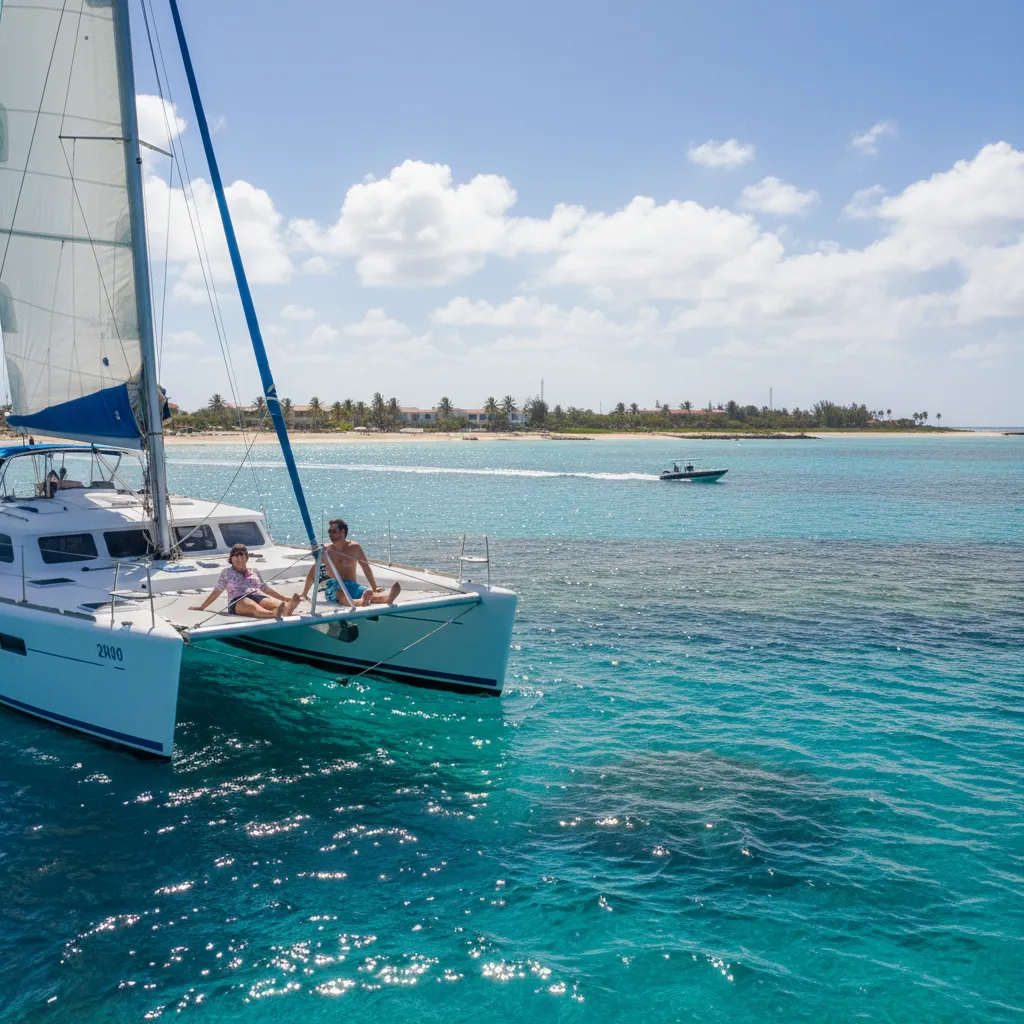
If your trip centers on beaches, local food, and self-guided exploration, a budget tour can be a smart choice. You still see Eagle Beach, Palm Beach, and Baby Beach without paying resort premiums. Many travelers report full, satisfying trips on modest budgets while saving for one standout splurge, like a guided snorkeling charter or a private boat day.
Short answer: when budget tours make sense
Budget tours make sense when you want flexibility and authentic moments over curated luxury. A budget traveler Aruba who values independent plans, low-cost meals, and rental-car freedom will find plenty to love. Use points or award flights to lower airfare and watch major savings add up.
Best-fit travelers for a budget tour
These options suit independent travelers, small families, and budget-conscious couples or friends. If you prefer Airbnbs, local bakeries, and exploring Arikok National Park on your own schedule, a budget path fits. Point-savvy travelers using cards like Chase Sapphire Preferred or United-branded cards often cover flights or a few hotel nights.
When spending more is the smarter choice
Splurge when access to exclusive experiences matters. For example, Renaissance Island’s flamingos require resort access or a pricey day pass near $130. If you crave on-site pools, casinos like those at Marriott, or packaged tours that include transport and guides, paying up simplifies logistics.
Weigh practical trade-offs: budget tours may skip gear rentals, airport drop-offs, and premium guides. If those items are essential, add them into your math before choosing between budget vs luxury Aruba. That gives a clearer picture of real costs and helps decide when to splurge Aruba for convenience or guaranteed perks.
What a Typical Budget Tour in Aruba Includes and What It Skips
Budget tours in Aruba aim to maximize time on the sand and at local sights while keeping costs low. Before the h3 headings, note that a basic package often focuses on self-guided experiences, simple transfers, and core attractions. Below we break down common inclusions, frequent exclusions, and how to compare Aruba tours across price tiers.
Common inclusions on affordable Aruba tours
Most affordable packages cover self-guided beach days at spots like Eagle Beach, Palm Beach, and Arashi. Expect access to public viewpoints such as the California Lighthouse and the Bushiribana Gold Mill Ruins.
Simple walking tours around Oranjestad and basic round-trip transfers from central hotels are regular items. Budget accommodation options often include Airbnb stays and hostels, with occasional low-cost hotel nights booked using points or deals.
Free and low-cost activities are highlighted. Hikes up Hooiberg, sunset watches at Eagle Beach, and strolls through Renaissance Marketplace are typical suggestions. These features explain what budget Aruba tours include in practical terms.
Typical exclusions and pay-as-you-go items to expect
Specialty excursions are usually not part of the base price. Private-island access like Renaissance Island or Flamingo Beach day passes and curated private trips are common Aruba tour exclusions.
Equipment rentals and extras often sit outside the package. Snorkel and towel rentals, UTV/ATV tours, guided boat or scuba trips, and Seabob experiences can be billed separately. On-site resort amenities, casino access, and premium dining are normally pay-as-you-go items.
Food at upscale restaurants, alcoholic drinks, and substantial tips beyond automatic service charges are additional expenses to plan for. Bringing your own snorkel, towel, and a refillable water bottle can cut costs, since Aruba tap water is drinkable.
How budget tours compare to mid-range and luxury excursions
When you compare Aruba tours, mid-range options tend to add guided group tours, packaged transfers, and partial meal plans. These reduce DIY logistics and raise comfort without the cost of private services.
Luxury experiences include resort access to private islands, curated private excursions, premium dining, and all-inclusives that bundle food and drinks. Higher cost means fewer hidden add-ons and more curated time.
For many travelers the choice comes down to priorities: save by choosing budget inclusions and DIY days, or pay up for convenience and exclusive access. Practical data points: weekly car rentals can hover near $175 with companies like Tropic, but points can lower that fee; private sailing options sometimes start around $65 per person.
How to Save Big in Aruba Without Sacrificing Key Experiences
Aruba offers clear ways to stretch a travel budget while keeping the island’s highlights in reach. With a few planning moves you can enjoy beaches, hikes, and local food without paying resort prices. Below are practical ideas that help you embrace the spirit of adventure and still save.
Accommodation hacks: Airbnb, hostels, and point redemptions
Choose an Airbnb or small guesthouse to access local neighborhoods and lower nightly costs. Many travelers report multi-night Airbnb stays that cost far less than comparable hotels, and some avoid extra tourist taxes when staying with independent hosts.
Hostels remain a solid pick for solo travelers and families on a budget. Dorm beds and private rooms at hostels trim lodging expenses and provide easy social connections.
Use credit card points to cover flights, hotel nights, or rental cars. Cards like Chase Sapphire Preferred and co-branded airline cards can reduce out-of-pocket stays. Redeeming points for partial rentals or free hotel nights is one of the best Aruba budget hacks.
Food and drink savings: local bakeries, inexpensive dinners, and grocery breakfasts
Start days at certified bakeries for quick pastries and coffee. Pastel and pastechi cost far less than hotel breakfasts and taste local. Dunkin and neighborhood bakeries both keep morning costs under $10 for many options.
Stock a small grocery haul to cover breakfasts and light lunches. Cold cuts, fruit, and bread make easy meals when you prefer to skip sit-down service. Packing snacks for transit avoids overpriced airport food.
Seek economical dinners at well-known spots like Madam Janette’s or Chalet Suisse when they have early-bird or set-menu options. Pizza Bob’s and similar local pizzerias combine low prices with live music on some nights, making them ideal Aruba cheap eats.
Transport and mobility: rental cars vs buses vs taxis
Rent a car if you want to reach Baby Beach, Arikok National Park, and remote viewpoints. Weekly rates can be reasonable, and point redemptions sometimes cut the final bill. A rented vehicle gives flexibility and can be cheaper than repeated taxis for a family.
Use public options for shorter runs. The free cruise terminal trolley and island buses work for main routes. For one-off trips consider taxis, but calculate total taxi costs before deciding—rentals might still save you money if you plan heavy exploring.
Consider bikes or UTV rentals for day trips. Local vendors like Ruff Riders Aruba offer UTVs for short adventures. These choices are part of useful Aruba transport tips that match different travel styles.
Free and low-cost must-dos (beaches, hikes, ruins, and sunsets)
Beaches deliver top value: Baby Beach, Arashi, and Eagle Beach boast calm water, fine sand, and prime sunset views without entry fees. Bring your own snorkel and towel to avoid rental charges.
Hiking Hooiberg at sunrise or exploring trails in Arikok National Park fills days with natural sights at little cost. Historic stops like Bushiribana Gold Mill Ruins and Alto Vista Chapel offer cultural context and photo ops for free.
Enjoy local live music and market strolls in Oranjestad for budget-friendly evenings. Watching the sun set from California Lighthouse or Eagle Beach is a memorable, no-cost activity that pairs well with a picnic from a grocery stop.
- Pack smart: snorkel, refillable water bottle, and carry-on luggage to avoid rental and baggage fees.
- Mix stays: combine a few cheap nights with one splurge night to keep costs down while treating yourself.
- Plan transport: compare a week-long rental to daily taxi fares to decide what helps you save money Aruba.
Real Guest Quotes, Money-Saving Strategies, and Sample Budgets
Travelers who stretched a short Aruba visit into a memorable trip tend to share the same mindset: choose local stays, keep meals simple, and spend on one or two standout activities. Below are real perspectives, short anecdotes, and practical examples that show how an Aruba $500 trip can work or scale up to a balanced or splurge plan.
Guest perspectives: travelers who spent $500 for five days
One solo traveler logged total outlay at $510.81 for five days and nights. Flights were covered with points. A rental car cost $124.44 after points. Two nights of lodging were nearly free using United Gateway points, leaving food, gas, and a few low-cost activities as the main expenses. This type of Aruba $500 trip shows how points plus thrift choices cut major costs.
Anecdotes from budget Airbnb and hostel stays
TwoSolesAbroad booked a nine-night Airbnb for about $400 and found daily life felt more authentic and affordable than a resort stay. Guests report trade-offs like basic amenities or quirky plumbing, yet they praised the savings and local feel. Another traveler paid $184.50 for three hostel nights, enjoyed the social scene, and used the money saved for snorkeling and dinners.
Sample budget itineraries: ultra-budget, balanced budget, and splurge option
- Ultra-budget (5 days): Stay in hostel or budget Airbnb, rely on public buses or car shares. Typical costs: accommodation $150–$250, car split $100–$175, food $10–$30 per day. Estimated total $400–$600, excluding flights. This Aruba sample budget suits beach days, free hikes, and self-guided snorkels.
- Balanced budget (5 days): Mix budget lodging with one nicer night or paid excursion. Typical costs: accommodation $300–$600, car $124–$175, one paid activity $65–$120, meals $25–$45 per day. Estimated total $700–$1,000. Use points for flights or parts of lodging to lower the outlay.
- Splurge option: Resort or all-inclusive package with private experiences and premium dining. Private tours often cost $120+ per person; resort rates push totals beyond $1,500 for short stays. Choose splurge elements selectively to keep costs manageable.
Practical tips used by guests: packing snorkel/towel, skipping Flamingo Island, and using points
- Pack a personal snorkel and lightweight towel to avoid rental fees and to take advantage of spots like Baby Beach or the Antilla wreck.
- Skip Flamingo Island unless you prioritize it; day passes or resort access can cost around $130 and add major expense pressure.
- Use travel credit card points aggressively. Cards such as Chase Sapphire Preferred and United Gateway Card were mentioned by guests for covering flights, hotels, or rental discounts.
- Bring airport snacks and a refillable water bottle. Aruba’s tap water is safe to drink, so refills save money on bottled water and impulse purchases.
- Factor in service charges. Many venues add a 15% service fee that functions like a tip, so include that in your planning.
- Pick one paid must-do, such as a private sail (~$65) or a specialized shipwreck/Seabob tour (~$120), to get a standout memory without overspending.
These Aruba budget traveler quotes and real totals reveal a clear pattern: points and local stays unlock the most savings, while small, mindful splurges create lasting value. Use the Aruba sample budget examples and Aruba money-saving tips above to plan an Aruba $500 trip or to scale up to a more comfortable pace.
Conclusion
An Aruba budget tour is worth it for many independent travelers and families who prioritize beaches, casual local dining, and flexible exploration. Use accommodation hacks like Airbnb or hostels, bring a snorkel and towel, and leverage credit card points to stretch your dollars. These moves make Aruba’s white sand and clear water accessible without losing the island’s warm, authentic feel.
Decide based on what matters most: if you want resort-only experiences like Flamingo Island access, casino nights, or private wildlife encounters, plan to spend more for convenience and exclusivity. If you don’t need those perks, follow the practical tips earlier — pack a refillable bottle, eat at bakeries, split a rental car, and pick one special paid activity — and you’ll get great value from a budget option.
Final thoughts Aruba budget travel: prioritize one splurge, use points for flights and lodging, and keep daily costs low with grocery breakfasts and simple gear. If you’re asking, should I book Aruba budget tour, the short answer is yes for most travelers who value discovery over luxury. With smart planning, Aruba delivers memorable, affordable adventure for families and solo explorers alike.
FAQ
Is a budget tour in Aruba worth it or should I spend more?
Who is a budget Aruba trip best for?
What does a typical affordable Aruba tour include?
What do budget tours usually skip or charge extra for?
How do budget tours compare to mid-range and luxury options?
How can I save big in Aruba without missing key experiences?
Should I rent a car or rely on taxis and buses?
Where can I eat cheaply without sacrificing local flavor?
What free or low-cost activities are must-dos?
Can credit card points really make a budget Aruba trip feasible?
Is a budget tour in Aruba worth it or should I spend more?
Who is a budget Aruba trip best for?
What does a typical affordable Aruba tour include?
What do budget tours usually skip or charge extra for?
How do budget tours compare to mid-range and luxury options?
How can I save big in Aruba without missing key experiences?
Should I rent a car or rely on taxis and buses?
Where can I eat cheaply without sacrificing local flavor?
What free or low-cost activities are must-dos?
Can credit card points really make a budget Aruba trip feasible?
FAQ
Is a budget tour in Aruba worth it or should I spend more?
Budget tours can be worth it for most independent travelers and small families. If your priorities are beaches, self-guided exploration, local food, and saving for one or two special experiences, a budget approach delivers Aruba’s highlights—Eagle Beach, Palm Beach, Baby Beach, Arikok hikes—without the resort premiums. Many travelers report satisfying trips on modest budgets (example: a five-day solo trip for about 0.81 using points for airfare and partial rental coverage). Spend more only if you need guaranteed access to resort-exclusive perks like Renaissance Island flamingos, on-site luxury pools, casinos (Marriott), or fully guided packages that remove logistics stress.
Who is a budget Aruba trip best for?
Best-fit travelers include independent explorers, point-savvy couples, and families who want authenticity and flexibility. Choose budget if you like Airbnbs or hostels, enjoy bakeries for breakfast, plan self-guided days at natural sights (California Lighthouse, Bushiribana Gold Mill Ruins, Hooiberg), and are willing to rent a car or use island buses. If you want resort-only access (Renaissance Island) or prefer bundled all-inclusive convenience, consider mid-range or luxury options instead.
What does a typical affordable Aruba tour include?
Common inclusions are self-guided beach days (Eagle Beach, Arashi, Palm Beach), visits to public natural attractions (California Lighthouse viewpoints, Bushiribana Gold Mill Ruins), simple walking tours around Oranjestad, and the option to rent a car for Arikok National Park and Baby Beach. Budget packages usually focus on basics—lodging in Airbnbs or hostels, public-fee attractions, and DIY activities—rather than resort amenities or private guided excursions.
What do budget tours usually skip or charge extra for?
Expect pay-as-you-go items: Renaissance Island or Flamingo Island day passes (~0), specialty equipment rentals (snorkel, towels), UTV/ATV or guided boat and scuba trips (Seabob/shipwreck options from ~0), private island access, on-site resort amenities and casinos, higher-end restaurant meals, alcoholic drinks, and extra tipping beyond included service charges. Airport convenience like taxis or private transfers is often excluded.
How do budget tours compare to mid-range and luxury options?
Mid-range packages usually add guided group tours, partial transfers, and more comfortable lodging for higher convenience and slightly higher cost. Luxury options deliver private experiences, curated excursions, resort and private-island access (Renaissance), premium dining, and all-inclusive bundles that reduce day-to-day budgeting stress but raise the price significantly. Choose based on whether you value convenience and exclusive access over authentic local experiences and savings.
How can I save big in Aruba without missing key experiences?
Use accommodation hacks: stay in Airbnbs (example: 9 nights for 0) or hostels (4.50 for three nights) and redeem points for hotel nights (Chase Sapphire Preferred and United Gateway Card examples). Eat at local bakeries and Dunkin for breakfast and use groceries for lunches. Pack a snorkel, beach towel, and refillable water bottle—Aruba’s tap water is drinkable—to avoid rentals. Rent a car when you want flexibility (week rates around 5 but sometimes reduced to 4.44 after points) or use buses and the free cruise trolley for short trips. Pick one paid splurge, like a private sail (~) or a shipwreck/Seabob tour (~0), and keep the rest DIY.
Should I rent a car or rely on taxis and buses?
Rent a car if you plan to explore Baby Beach, Arikok National Park, and remote viewpoints; it’s often the most economical choice for families or multi-day exploration. Typical week rates are around 5 (Tropic), but points can cut that cost. Taxis are convenient but add up for repeated use. Island buses and the free cruise-area trolley work for limited ranges. For short local trips, consider bike rentals or occasional taxis.
Where can I eat cheaply without sacrificing local flavor?
Start mornings at bakeries for pasteles/pastechi, coffee, and breakfast under . Dunkin or local delis and grocery stores work for quick, inexpensive meals. For dinners, look for local spots and early-bird options—Madam Janette’s and Chalet Suisse have moderate menus, and Pizza Bob’s offers good value and live music. Grocery breakfasts and deli lunches stretch budgets and leave room for a nicer dinner or one paid activity.
What free or low-cost activities are must-dos?
Must-dos include sunset watching at Eagle Beach and California Lighthouse, snorkeling at Baby Beach, hiking in Arikok National Park and Hooiberg at sunrise, visiting Bushiribana Gold Mill Ruins and Alto Vista Chapel, strolling Oranjestad’s market and Renaissance Marketplace, and enjoying local bars with live music. These offer big value with little or no cost and capture Aruba’s scenery and culture.
Can credit card points really make a budget Aruba trip feasible?
Yes. Travelers commonly use cards like Chase Sapphire Preferred and United Gateway Card to cover flights and reduce hotel costs—examples include flights booked with points and a two-night hotel booking reduced to
FAQ
Is a budget tour in Aruba worth it or should I spend more?
Budget tours can be worth it for most independent travelers and small families. If your priorities are beaches, self-guided exploration, local food, and saving for one or two special experiences, a budget approach delivers Aruba’s highlights—Eagle Beach, Palm Beach, Baby Beach, Arikok hikes—without the resort premiums. Many travelers report satisfying trips on modest budgets (example: a five-day solo trip for about $510.81 using points for airfare and partial rental coverage). Spend more only if you need guaranteed access to resort-exclusive perks like Renaissance Island flamingos, on-site luxury pools, casinos (Marriott), or fully guided packages that remove logistics stress.
Who is a budget Aruba trip best for?
Best-fit travelers include independent explorers, point-savvy couples, and families who want authenticity and flexibility. Choose budget if you like Airbnbs or hostels, enjoy bakeries for breakfast, plan self-guided days at natural sights (California Lighthouse, Bushiribana Gold Mill Ruins, Hooiberg), and are willing to rent a car or use island buses. If you want resort-only access (Renaissance Island) or prefer bundled all-inclusive convenience, consider mid-range or luxury options instead.
What does a typical affordable Aruba tour include?
Common inclusions are self-guided beach days (Eagle Beach, Arashi, Palm Beach), visits to public natural attractions (California Lighthouse viewpoints, Bushiribana Gold Mill Ruins), simple walking tours around Oranjestad, and the option to rent a car for Arikok National Park and Baby Beach. Budget packages usually focus on basics—lodging in Airbnbs or hostels, public-fee attractions, and DIY activities—rather than resort amenities or private guided excursions.
What do budget tours usually skip or charge extra for?
Expect pay-as-you-go items: Renaissance Island or Flamingo Island day passes (~$130), specialty equipment rentals (snorkel, towels), UTV/ATV or guided boat and scuba trips (Seabob/shipwreck options from ~$120), private island access, on-site resort amenities and casinos, higher-end restaurant meals, alcoholic drinks, and extra tipping beyond included service charges. Airport convenience like taxis or private transfers is often excluded.
How do budget tours compare to mid-range and luxury options?
Mid-range packages usually add guided group tours, partial transfers, and more comfortable lodging for higher convenience and slightly higher cost. Luxury options deliver private experiences, curated excursions, resort and private-island access (Renaissance), premium dining, and all-inclusive bundles that reduce day-to-day budgeting stress but raise the price significantly. Choose based on whether you value convenience and exclusive access over authentic local experiences and savings.
How can I save big in Aruba without missing key experiences?
Use accommodation hacks: stay in Airbnbs (example: 9 nights for $400) or hostels ($184.50 for three nights) and redeem points for hotel nights (Chase Sapphire Preferred and United Gateway Card examples). Eat at local bakeries and Dunkin for breakfast and use groceries for lunches. Pack a snorkel, beach towel, and refillable water bottle—Aruba’s tap water is drinkable—to avoid rentals. Rent a car when you want flexibility (week rates around $175 but sometimes reduced to $124.44 after points) or use buses and the free cruise trolley for short trips. Pick one paid splurge, like a private sail (~$65) or a shipwreck/Seabob tour (~$120), and keep the rest DIY.
Should I rent a car or rely on taxis and buses?
Rent a car if you plan to explore Baby Beach, Arikok National Park, and remote viewpoints; it’s often the most economical choice for families or multi-day exploration. Typical week rates are around $175 (Tropic), but points can cut that cost. Taxis are convenient but add up for repeated use. Island buses and the free cruise-area trolley work for limited ranges. For short local trips, consider bike rentals or occasional taxis.
Where can I eat cheaply without sacrificing local flavor?
Start mornings at bakeries for pasteles/pastechi, coffee, and breakfast under $10. Dunkin or local delis and grocery stores work for quick, inexpensive meals. For dinners, look for local spots and early-bird options—Madam Janette’s and Chalet Suisse have moderate menus, and Pizza Bob’s offers good value and live music. Grocery breakfasts and deli lunches stretch budgets and leave room for a nicer dinner or one paid activity.
What free or low-cost activities are must-dos?
Must-dos include sunset watching at Eagle Beach and California Lighthouse, snorkeling at Baby Beach, hiking in Arikok National Park and Hooiberg at sunrise, visiting Bushiribana Gold Mill Ruins and Alto Vista Chapel, strolling Oranjestad’s market and Renaissance Marketplace, and enjoying local bars with live music. These offer big value with little or no cost and capture Aruba’s scenery and culture.
Can credit card points really make a budget Aruba trip feasible?
Yes. Travelers commonly use cards like Chase Sapphire Preferred and United Gateway Card to cover flights and reduce hotel costs—examples include flights booked with points and a two-night hotel booking reduced to $0.31 via points. Points can also partially cover rental cars, lowering out-of-pocket transport costs. Use points strategically to free budget for experiences and dining.
How much should I expect to spend on a basic 5-day budget trip?
Sample ultra-budget totals (5 days) land around $400–$600 excluding cash airfare: accommodation $150–$250 (hostel/Airbnb), car $100–$175 (shared/points), food $10–$30/day with bakery/grocery strategy, and free/low-cost activities. A balanced budget with one paid activity and a few upgraded dinners runs roughly $700–$1,000. A splurge package with resort stays or private island access can easily exceed $1,500 for a short stay.
Are there real traveler examples that back these numbers?
Yes. A solo traveler reported $510.81 for five days using points for airfare and partial rental coverage ($124.44 paid). TwoSolesAbroad stayed nine nights in an Airbnb for $400 and embraced local living. Other creators cite hostel stays around $184.50 for three nights and recommend rental cars, bakeries, and low-cost local activities. These first-hand reports show the island is accessible on a budget when you plan.
What practical packing and planning tips save the most money?
Pack your snorkel, beach towel, refillable water bottle, and snacks for airports. Use carry-on luggage to avoid checked-bag fees. Bring comfortable walking shoes for Arikok hikes and Hooiberg. Redeem credit card points for flights and nights where possible. Skip Renaissance Island unless seeing flamingos is essential—day passes are about $130—or plan that as your one splurge.
When does it make sense to splurge instead of going budget?
Splurge if private-island access (Renaissance Island flamingos), resort-only amenities, casino entertainment (big resorts like Marriott), curated private tours, or cancelable bundled all-inclusives are central to your trip. Also consider spending more when you want worry-free logistics, higher-end dining, or guided diving and boat excursions that budget options won’t include.
Any final quick takeaways for planning a budget Aruba trip?
Pack simple gear (snorkel, towel, refillable bottle), choose Airbnbs or hostels to save, use points for flights/hotels and rental cars when possible, eat at bakeries and grocery for many meals, rent a car for wide exploration, pick one special paid experience, and prioritize the sights that matter to you. With those choices, Aruba’s beaches, blue water, and local flavor are very reachable without overspending.
How much should I expect to spend on a basic 5-day budget trip?
FAQ
Is a budget tour in Aruba worth it or should I spend more?
Budget tours can be worth it for most independent travelers and small families. If your priorities are beaches, self-guided exploration, local food, and saving for one or two special experiences, a budget approach delivers Aruba’s highlights—Eagle Beach, Palm Beach, Baby Beach, Arikok hikes—without the resort premiums. Many travelers report satisfying trips on modest budgets (example: a five-day solo trip for about 0.81 using points for airfare and partial rental coverage). Spend more only if you need guaranteed access to resort-exclusive perks like Renaissance Island flamingos, on-site luxury pools, casinos (Marriott), or fully guided packages that remove logistics stress.
Who is a budget Aruba trip best for?
Best-fit travelers include independent explorers, point-savvy couples, and families who want authenticity and flexibility. Choose budget if you like Airbnbs or hostels, enjoy bakeries for breakfast, plan self-guided days at natural sights (California Lighthouse, Bushiribana Gold Mill Ruins, Hooiberg), and are willing to rent a car or use island buses. If you want resort-only access (Renaissance Island) or prefer bundled all-inclusive convenience, consider mid-range or luxury options instead.
What does a typical affordable Aruba tour include?
Common inclusions are self-guided beach days (Eagle Beach, Arashi, Palm Beach), visits to public natural attractions (California Lighthouse viewpoints, Bushiribana Gold Mill Ruins), simple walking tours around Oranjestad, and the option to rent a car for Arikok National Park and Baby Beach. Budget packages usually focus on basics—lodging in Airbnbs or hostels, public-fee attractions, and DIY activities—rather than resort amenities or private guided excursions.
What do budget tours usually skip or charge extra for?
Expect pay-as-you-go items: Renaissance Island or Flamingo Island day passes (~0), specialty equipment rentals (snorkel, towels), UTV/ATV or guided boat and scuba trips (Seabob/shipwreck options from ~0), private island access, on-site resort amenities and casinos, higher-end restaurant meals, alcoholic drinks, and extra tipping beyond included service charges. Airport convenience like taxis or private transfers is often excluded.
How do budget tours compare to mid-range and luxury options?
Mid-range packages usually add guided group tours, partial transfers, and more comfortable lodging for higher convenience and slightly higher cost. Luxury options deliver private experiences, curated excursions, resort and private-island access (Renaissance), premium dining, and all-inclusive bundles that reduce day-to-day budgeting stress but raise the price significantly. Choose based on whether you value convenience and exclusive access over authentic local experiences and savings.
How can I save big in Aruba without missing key experiences?
Use accommodation hacks: stay in Airbnbs (example: 9 nights for 0) or hostels (4.50 for three nights) and redeem points for hotel nights (Chase Sapphire Preferred and United Gateway Card examples). Eat at local bakeries and Dunkin for breakfast and use groceries for lunches. Pack a snorkel, beach towel, and refillable water bottle—Aruba’s tap water is drinkable—to avoid rentals. Rent a car when you want flexibility (week rates around 5 but sometimes reduced to 4.44 after points) or use buses and the free cruise trolley for short trips. Pick one paid splurge, like a private sail (~) or a shipwreck/Seabob tour (~0), and keep the rest DIY.
Should I rent a car or rely on taxis and buses?
Rent a car if you plan to explore Baby Beach, Arikok National Park, and remote viewpoints; it’s often the most economical choice for families or multi-day exploration. Typical week rates are around 5 (Tropic), but points can cut that cost. Taxis are convenient but add up for repeated use. Island buses and the free cruise-area trolley work for limited ranges. For short local trips, consider bike rentals or occasional taxis.
Where can I eat cheaply without sacrificing local flavor?
Start mornings at bakeries for pasteles/pastechi, coffee, and breakfast under . Dunkin or local delis and grocery stores work for quick, inexpensive meals. For dinners, look for local spots and early-bird options—Madam Janette’s and Chalet Suisse have moderate menus, and Pizza Bob’s offers good value and live music. Grocery breakfasts and deli lunches stretch budgets and leave room for a nicer dinner or one paid activity.
What free or low-cost activities are must-dos?
Must-dos include sunset watching at Eagle Beach and California Lighthouse, snorkeling at Baby Beach, hiking in Arikok National Park and Hooiberg at sunrise, visiting Bushiribana Gold Mill Ruins and Alto Vista Chapel, strolling Oranjestad’s market and Renaissance Marketplace, and enjoying local bars with live music. These offer big value with little or no cost and capture Aruba’s scenery and culture.
Can credit card points really make a budget Aruba trip feasible?
Yes. Travelers commonly use cards like Chase Sapphire Preferred and United Gateway Card to cover flights and reduce hotel costs—examples include flights booked with points and a two-night hotel booking reduced to
FAQ
Is a budget tour in Aruba worth it or should I spend more?
Budget tours can be worth it for most independent travelers and small families. If your priorities are beaches, self-guided exploration, local food, and saving for one or two special experiences, a budget approach delivers Aruba’s highlights—Eagle Beach, Palm Beach, Baby Beach, Arikok hikes—without the resort premiums. Many travelers report satisfying trips on modest budgets (example: a five-day solo trip for about $510.81 using points for airfare and partial rental coverage). Spend more only if you need guaranteed access to resort-exclusive perks like Renaissance Island flamingos, on-site luxury pools, casinos (Marriott), or fully guided packages that remove logistics stress.
Who is a budget Aruba trip best for?
Best-fit travelers include independent explorers, point-savvy couples, and families who want authenticity and flexibility. Choose budget if you like Airbnbs or hostels, enjoy bakeries for breakfast, plan self-guided days at natural sights (California Lighthouse, Bushiribana Gold Mill Ruins, Hooiberg), and are willing to rent a car or use island buses. If you want resort-only access (Renaissance Island) or prefer bundled all-inclusive convenience, consider mid-range or luxury options instead.
What does a typical affordable Aruba tour include?
Common inclusions are self-guided beach days (Eagle Beach, Arashi, Palm Beach), visits to public natural attractions (California Lighthouse viewpoints, Bushiribana Gold Mill Ruins), simple walking tours around Oranjestad, and the option to rent a car for Arikok National Park and Baby Beach. Budget packages usually focus on basics—lodging in Airbnbs or hostels, public-fee attractions, and DIY activities—rather than resort amenities or private guided excursions.
What do budget tours usually skip or charge extra for?
Expect pay-as-you-go items: Renaissance Island or Flamingo Island day passes (~$130), specialty equipment rentals (snorkel, towels), UTV/ATV or guided boat and scuba trips (Seabob/shipwreck options from ~$120), private island access, on-site resort amenities and casinos, higher-end restaurant meals, alcoholic drinks, and extra tipping beyond included service charges. Airport convenience like taxis or private transfers is often excluded.
How do budget tours compare to mid-range and luxury options?
Mid-range packages usually add guided group tours, partial transfers, and more comfortable lodging for higher convenience and slightly higher cost. Luxury options deliver private experiences, curated excursions, resort and private-island access (Renaissance), premium dining, and all-inclusive bundles that reduce day-to-day budgeting stress but raise the price significantly. Choose based on whether you value convenience and exclusive access over authentic local experiences and savings.
How can I save big in Aruba without missing key experiences?
Use accommodation hacks: stay in Airbnbs (example: 9 nights for $400) or hostels ($184.50 for three nights) and redeem points for hotel nights (Chase Sapphire Preferred and United Gateway Card examples). Eat at local bakeries and Dunkin for breakfast and use groceries for lunches. Pack a snorkel, beach towel, and refillable water bottle—Aruba’s tap water is drinkable—to avoid rentals. Rent a car when you want flexibility (week rates around $175 but sometimes reduced to $124.44 after points) or use buses and the free cruise trolley for short trips. Pick one paid splurge, like a private sail (~$65) or a shipwreck/Seabob tour (~$120), and keep the rest DIY.
Should I rent a car or rely on taxis and buses?
Rent a car if you plan to explore Baby Beach, Arikok National Park, and remote viewpoints; it’s often the most economical choice for families or multi-day exploration. Typical week rates are around $175 (Tropic), but points can cut that cost. Taxis are convenient but add up for repeated use. Island buses and the free cruise-area trolley work for limited ranges. For short local trips, consider bike rentals or occasional taxis.
Where can I eat cheaply without sacrificing local flavor?
Start mornings at bakeries for pasteles/pastechi, coffee, and breakfast under $10. Dunkin or local delis and grocery stores work for quick, inexpensive meals. For dinners, look for local spots and early-bird options—Madam Janette’s and Chalet Suisse have moderate menus, and Pizza Bob’s offers good value and live music. Grocery breakfasts and deli lunches stretch budgets and leave room for a nicer dinner or one paid activity.
What free or low-cost activities are must-dos?
Must-dos include sunset watching at Eagle Beach and California Lighthouse, snorkeling at Baby Beach, hiking in Arikok National Park and Hooiberg at sunrise, visiting Bushiribana Gold Mill Ruins and Alto Vista Chapel, strolling Oranjestad’s market and Renaissance Marketplace, and enjoying local bars with live music. These offer big value with little or no cost and capture Aruba’s scenery and culture.
Can credit card points really make a budget Aruba trip feasible?
Yes. Travelers commonly use cards like Chase Sapphire Preferred and United Gateway Card to cover flights and reduce hotel costs—examples include flights booked with points and a two-night hotel booking reduced to $0.31 via points. Points can also partially cover rental cars, lowering out-of-pocket transport costs. Use points strategically to free budget for experiences and dining.
How much should I expect to spend on a basic 5-day budget trip?
Sample ultra-budget totals (5 days) land around $400–$600 excluding cash airfare: accommodation $150–$250 (hostel/Airbnb), car $100–$175 (shared/points), food $10–$30/day with bakery/grocery strategy, and free/low-cost activities. A balanced budget with one paid activity and a few upgraded dinners runs roughly $700–$1,000. A splurge package with resort stays or private island access can easily exceed $1,500 for a short stay.
Are there real traveler examples that back these numbers?
Yes. A solo traveler reported $510.81 for five days using points for airfare and partial rental coverage ($124.44 paid). TwoSolesAbroad stayed nine nights in an Airbnb for $400 and embraced local living. Other creators cite hostel stays around $184.50 for three nights and recommend rental cars, bakeries, and low-cost local activities. These first-hand reports show the island is accessible on a budget when you plan.
What practical packing and planning tips save the most money?
Pack your snorkel, beach towel, refillable water bottle, and snacks for airports. Use carry-on luggage to avoid checked-bag fees. Bring comfortable walking shoes for Arikok hikes and Hooiberg. Redeem credit card points for flights and nights where possible. Skip Renaissance Island unless seeing flamingos is essential—day passes are about $130—or plan that as your one splurge.
When does it make sense to splurge instead of going budget?
Splurge if private-island access (Renaissance Island flamingos), resort-only amenities, casino entertainment (big resorts like Marriott), curated private tours, or cancelable bundled all-inclusives are central to your trip. Also consider spending more when you want worry-free logistics, higher-end dining, or guided diving and boat excursions that budget options won’t include.
Any final quick takeaways for planning a budget Aruba trip?
Pack simple gear (snorkel, towel, refillable bottle), choose Airbnbs or hostels to save, use points for flights/hotels and rental cars when possible, eat at bakeries and grocery for many meals, rent a car for wide exploration, pick one special paid experience, and prioritize the sights that matter to you. With those choices, Aruba’s beaches, blue water, and local flavor are very reachable without overspending.
FAQ
Is a budget tour in Aruba worth it or should I spend more?
Budget tours can be worth it for most independent travelers and small families. If your priorities are beaches, self-guided exploration, local food, and saving for one or two special experiences, a budget approach delivers Aruba’s highlights—Eagle Beach, Palm Beach, Baby Beach, Arikok hikes—without the resort premiums. Many travelers report satisfying trips on modest budgets (example: a five-day solo trip for about 0.81 using points for airfare and partial rental coverage). Spend more only if you need guaranteed access to resort-exclusive perks like Renaissance Island flamingos, on-site luxury pools, casinos (Marriott), or fully guided packages that remove logistics stress.
Who is a budget Aruba trip best for?
Best-fit travelers include independent explorers, point-savvy couples, and families who want authenticity and flexibility. Choose budget if you like Airbnbs or hostels, enjoy bakeries for breakfast, plan self-guided days at natural sights (California Lighthouse, Bushiribana Gold Mill Ruins, Hooiberg), and are willing to rent a car or use island buses. If you want resort-only access (Renaissance Island) or prefer bundled all-inclusive convenience, consider mid-range or luxury options instead.
What does a typical affordable Aruba tour include?
Common inclusions are self-guided beach days (Eagle Beach, Arashi, Palm Beach), visits to public natural attractions (California Lighthouse viewpoints, Bushiribana Gold Mill Ruins), simple walking tours around Oranjestad, and the option to rent a car for Arikok National Park and Baby Beach. Budget packages usually focus on basics—lodging in Airbnbs or hostels, public-fee attractions, and DIY activities—rather than resort amenities or private guided excursions.
What do budget tours usually skip or charge extra for?
Expect pay-as-you-go items: Renaissance Island or Flamingo Island day passes (~0), specialty equipment rentals (snorkel, towels), UTV/ATV or guided boat and scuba trips (Seabob/shipwreck options from ~0), private island access, on-site resort amenities and casinos, higher-end restaurant meals, alcoholic drinks, and extra tipping beyond included service charges. Airport convenience like taxis or private transfers is often excluded.
How do budget tours compare to mid-range and luxury options?
Mid-range packages usually add guided group tours, partial transfers, and more comfortable lodging for higher convenience and slightly higher cost. Luxury options deliver private experiences, curated excursions, resort and private-island access (Renaissance), premium dining, and all-inclusive bundles that reduce day-to-day budgeting stress but raise the price significantly. Choose based on whether you value convenience and exclusive access over authentic local experiences and savings.
How can I save big in Aruba without missing key experiences?
Use accommodation hacks: stay in Airbnbs (example: 9 nights for 0) or hostels (4.50 for three nights) and redeem points for hotel nights (Chase Sapphire Preferred and United Gateway Card examples). Eat at local bakeries and Dunkin for breakfast and use groceries for lunches. Pack a snorkel, beach towel, and refillable water bottle—Aruba’s tap water is drinkable—to avoid rentals. Rent a car when you want flexibility (week rates around 5 but sometimes reduced to 4.44 after points) or use buses and the free cruise trolley for short trips. Pick one paid splurge, like a private sail (~) or a shipwreck/Seabob tour (~0), and keep the rest DIY.
Should I rent a car or rely on taxis and buses?
Rent a car if you plan to explore Baby Beach, Arikok National Park, and remote viewpoints; it’s often the most economical choice for families or multi-day exploration. Typical week rates are around 5 (Tropic), but points can cut that cost. Taxis are convenient but add up for repeated use. Island buses and the free cruise-area trolley work for limited ranges. For short local trips, consider bike rentals or occasional taxis.
Where can I eat cheaply without sacrificing local flavor?
Start mornings at bakeries for pasteles/pastechi, coffee, and breakfast under . Dunkin or local delis and grocery stores work for quick, inexpensive meals. For dinners, look for local spots and early-bird options—Madam Janette’s and Chalet Suisse have moderate menus, and Pizza Bob’s offers good value and live music. Grocery breakfasts and deli lunches stretch budgets and leave room for a nicer dinner or one paid activity.
What free or low-cost activities are must-dos?
Must-dos include sunset watching at Eagle Beach and California Lighthouse, snorkeling at Baby Beach, hiking in Arikok National Park and Hooiberg at sunrise, visiting Bushiribana Gold Mill Ruins and Alto Vista Chapel, strolling Oranjestad’s market and Renaissance Marketplace, and enjoying local bars with live music. These offer big value with little or no cost and capture Aruba’s scenery and culture.
Can credit card points really make a budget Aruba trip feasible?
Yes. Travelers commonly use cards like Chase Sapphire Preferred and United Gateway Card to cover flights and reduce hotel costs—examples include flights booked with points and a two-night hotel booking reduced to
FAQ
Is a budget tour in Aruba worth it or should I spend more?
Budget tours can be worth it for most independent travelers and small families. If your priorities are beaches, self-guided exploration, local food, and saving for one or two special experiences, a budget approach delivers Aruba’s highlights—Eagle Beach, Palm Beach, Baby Beach, Arikok hikes—without the resort premiums. Many travelers report satisfying trips on modest budgets (example: a five-day solo trip for about $510.81 using points for airfare and partial rental coverage). Spend more only if you need guaranteed access to resort-exclusive perks like Renaissance Island flamingos, on-site luxury pools, casinos (Marriott), or fully guided packages that remove logistics stress.
Who is a budget Aruba trip best for?
Best-fit travelers include independent explorers, point-savvy couples, and families who want authenticity and flexibility. Choose budget if you like Airbnbs or hostels, enjoy bakeries for breakfast, plan self-guided days at natural sights (California Lighthouse, Bushiribana Gold Mill Ruins, Hooiberg), and are willing to rent a car or use island buses. If you want resort-only access (Renaissance Island) or prefer bundled all-inclusive convenience, consider mid-range or luxury options instead.
What does a typical affordable Aruba tour include?
Common inclusions are self-guided beach days (Eagle Beach, Arashi, Palm Beach), visits to public natural attractions (California Lighthouse viewpoints, Bushiribana Gold Mill Ruins), simple walking tours around Oranjestad, and the option to rent a car for Arikok National Park and Baby Beach. Budget packages usually focus on basics—lodging in Airbnbs or hostels, public-fee attractions, and DIY activities—rather than resort amenities or private guided excursions.
What do budget tours usually skip or charge extra for?
Expect pay-as-you-go items: Renaissance Island or Flamingo Island day passes (~$130), specialty equipment rentals (snorkel, towels), UTV/ATV or guided boat and scuba trips (Seabob/shipwreck options from ~$120), private island access, on-site resort amenities and casinos, higher-end restaurant meals, alcoholic drinks, and extra tipping beyond included service charges. Airport convenience like taxis or private transfers is often excluded.
How do budget tours compare to mid-range and luxury options?
Mid-range packages usually add guided group tours, partial transfers, and more comfortable lodging for higher convenience and slightly higher cost. Luxury options deliver private experiences, curated excursions, resort and private-island access (Renaissance), premium dining, and all-inclusive bundles that reduce day-to-day budgeting stress but raise the price significantly. Choose based on whether you value convenience and exclusive access over authentic local experiences and savings.
How can I save big in Aruba without missing key experiences?
Use accommodation hacks: stay in Airbnbs (example: 9 nights for $400) or hostels ($184.50 for three nights) and redeem points for hotel nights (Chase Sapphire Preferred and United Gateway Card examples). Eat at local bakeries and Dunkin for breakfast and use groceries for lunches. Pack a snorkel, beach towel, and refillable water bottle—Aruba’s tap water is drinkable—to avoid rentals. Rent a car when you want flexibility (week rates around $175 but sometimes reduced to $124.44 after points) or use buses and the free cruise trolley for short trips. Pick one paid splurge, like a private sail (~$65) or a shipwreck/Seabob tour (~$120), and keep the rest DIY.
Should I rent a car or rely on taxis and buses?
Rent a car if you plan to explore Baby Beach, Arikok National Park, and remote viewpoints; it’s often the most economical choice for families or multi-day exploration. Typical week rates are around $175 (Tropic), but points can cut that cost. Taxis are convenient but add up for repeated use. Island buses and the free cruise-area trolley work for limited ranges. For short local trips, consider bike rentals or occasional taxis.
Where can I eat cheaply without sacrificing local flavor?
Start mornings at bakeries for pasteles/pastechi, coffee, and breakfast under $10. Dunkin or local delis and grocery stores work for quick, inexpensive meals. For dinners, look for local spots and early-bird options—Madam Janette’s and Chalet Suisse have moderate menus, and Pizza Bob’s offers good value and live music. Grocery breakfasts and deli lunches stretch budgets and leave room for a nicer dinner or one paid activity.
What free or low-cost activities are must-dos?
Must-dos include sunset watching at Eagle Beach and California Lighthouse, snorkeling at Baby Beach, hiking in Arikok National Park and Hooiberg at sunrise, visiting Bushiribana Gold Mill Ruins and Alto Vista Chapel, strolling Oranjestad’s market and Renaissance Marketplace, and enjoying local bars with live music. These offer big value with little or no cost and capture Aruba’s scenery and culture.
Can credit card points really make a budget Aruba trip feasible?
Yes. Travelers commonly use cards like Chase Sapphire Preferred and United Gateway Card to cover flights and reduce hotel costs—examples include flights booked with points and a two-night hotel booking reduced to $0.31 via points. Points can also partially cover rental cars, lowering out-of-pocket transport costs. Use points strategically to free budget for experiences and dining.
How much should I expect to spend on a basic 5-day budget trip?
Sample ultra-budget totals (5 days) land around $400–$600 excluding cash airfare: accommodation $150–$250 (hostel/Airbnb), car $100–$175 (shared/points), food $10–$30/day with bakery/grocery strategy, and free/low-cost activities. A balanced budget with one paid activity and a few upgraded dinners runs roughly $700–$1,000. A splurge package with resort stays or private island access can easily exceed $1,500 for a short stay.
Are there real traveler examples that back these numbers?
Yes. A solo traveler reported $510.81 for five days using points for airfare and partial rental coverage ($124.44 paid). TwoSolesAbroad stayed nine nights in an Airbnb for $400 and embraced local living. Other creators cite hostel stays around $184.50 for three nights and recommend rental cars, bakeries, and low-cost local activities. These first-hand reports show the island is accessible on a budget when you plan.
What practical packing and planning tips save the most money?
Pack your snorkel, beach towel, refillable water bottle, and snacks for airports. Use carry-on luggage to avoid checked-bag fees. Bring comfortable walking shoes for Arikok hikes and Hooiberg. Redeem credit card points for flights and nights where possible. Skip Renaissance Island unless seeing flamingos is essential—day passes are about $130—or plan that as your one splurge.
When does it make sense to splurge instead of going budget?
Splurge if private-island access (Renaissance Island flamingos), resort-only amenities, casino entertainment (big resorts like Marriott), curated private tours, or cancelable bundled all-inclusives are central to your trip. Also consider spending more when you want worry-free logistics, higher-end dining, or guided diving and boat excursions that budget options won’t include.
Any final quick takeaways for planning a budget Aruba trip?
Pack simple gear (snorkel, towel, refillable bottle), choose Airbnbs or hostels to save, use points for flights/hotels and rental cars when possible, eat at bakeries and grocery for many meals, rent a car for wide exploration, pick one special paid experience, and prioritize the sights that matter to you. With those choices, Aruba’s beaches, blue water, and local flavor are very reachable without overspending.
Are there real traveler examples that back these numbers?
What practical packing and planning tips save the most money?
When does it make sense to splurge instead of going budget?
Any final quick takeaways for planning a budget Aruba trip?
.31 via points. Points can also partially cover rental cars, lowering out-of-pocket transport costs. Use points strategically to free budget for experiences and dining.
How much should I expect to spend on a basic 5-day budget trip?
Sample ultra-budget totals (5 days) land around 0–0 excluding cash airfare: accommodation 0–0 (hostel/Airbnb), car 0–5 (shared/points), food –/day with bakery/grocery strategy, and free/low-cost activities. A balanced budget with one paid activity and a few upgraded dinners runs roughly 0–
FAQ
Is a budget tour in Aruba worth it or should I spend more?
Budget tours can be worth it for most independent travelers and small families. If your priorities are beaches, self-guided exploration, local food, and saving for one or two special experiences, a budget approach delivers Aruba’s highlights—Eagle Beach, Palm Beach, Baby Beach, Arikok hikes—without the resort premiums. Many travelers report satisfying trips on modest budgets (example: a five-day solo trip for about $510.81 using points for airfare and partial rental coverage). Spend more only if you need guaranteed access to resort-exclusive perks like Renaissance Island flamingos, on-site luxury pools, casinos (Marriott), or fully guided packages that remove logistics stress.
Who is a budget Aruba trip best for?
Best-fit travelers include independent explorers, point-savvy couples, and families who want authenticity and flexibility. Choose budget if you like Airbnbs or hostels, enjoy bakeries for breakfast, plan self-guided days at natural sights (California Lighthouse, Bushiribana Gold Mill Ruins, Hooiberg), and are willing to rent a car or use island buses. If you want resort-only access (Renaissance Island) or prefer bundled all-inclusive convenience, consider mid-range or luxury options instead.
What does a typical affordable Aruba tour include?
Common inclusions are self-guided beach days (Eagle Beach, Arashi, Palm Beach), visits to public natural attractions (California Lighthouse viewpoints, Bushiribana Gold Mill Ruins), simple walking tours around Oranjestad, and the option to rent a car for Arikok National Park and Baby Beach. Budget packages usually focus on basics—lodging in Airbnbs or hostels, public-fee attractions, and DIY activities—rather than resort amenities or private guided excursions.
What do budget tours usually skip or charge extra for?
Expect pay-as-you-go items: Renaissance Island or Flamingo Island day passes (~$130), specialty equipment rentals (snorkel, towels), UTV/ATV or guided boat and scuba trips (Seabob/shipwreck options from ~$120), private island access, on-site resort amenities and casinos, higher-end restaurant meals, alcoholic drinks, and extra tipping beyond included service charges. Airport convenience like taxis or private transfers is often excluded.
How do budget tours compare to mid-range and luxury options?
Mid-range packages usually add guided group tours, partial transfers, and more comfortable lodging for higher convenience and slightly higher cost. Luxury options deliver private experiences, curated excursions, resort and private-island access (Renaissance), premium dining, and all-inclusive bundles that reduce day-to-day budgeting stress but raise the price significantly. Choose based on whether you value convenience and exclusive access over authentic local experiences and savings.
How can I save big in Aruba without missing key experiences?
Use accommodation hacks: stay in Airbnbs (example: 9 nights for $400) or hostels ($184.50 for three nights) and redeem points for hotel nights (Chase Sapphire Preferred and United Gateway Card examples). Eat at local bakeries and Dunkin for breakfast and use groceries for lunches. Pack a snorkel, beach towel, and refillable water bottle—Aruba’s tap water is drinkable—to avoid rentals. Rent a car when you want flexibility (week rates around $175 but sometimes reduced to $124.44 after points) or use buses and the free cruise trolley for short trips. Pick one paid splurge, like a private sail (~$65) or a shipwreck/Seabob tour (~$120), and keep the rest DIY.
Should I rent a car or rely on taxis and buses?
Rent a car if you plan to explore Baby Beach, Arikok National Park, and remote viewpoints; it’s often the most economical choice for families or multi-day exploration. Typical week rates are around $175 (Tropic), but points can cut that cost. Taxis are convenient but add up for repeated use. Island buses and the free cruise-area trolley work for limited ranges. For short local trips, consider bike rentals or occasional taxis.
Where can I eat cheaply without sacrificing local flavor?
Start mornings at bakeries for pasteles/pastechi, coffee, and breakfast under $10. Dunkin or local delis and grocery stores work for quick, inexpensive meals. For dinners, look for local spots and early-bird options—Madam Janette’s and Chalet Suisse have moderate menus, and Pizza Bob’s offers good value and live music. Grocery breakfasts and deli lunches stretch budgets and leave room for a nicer dinner or one paid activity.
What free or low-cost activities are must-dos?
Must-dos include sunset watching at Eagle Beach and California Lighthouse, snorkeling at Baby Beach, hiking in Arikok National Park and Hooiberg at sunrise, visiting Bushiribana Gold Mill Ruins and Alto Vista Chapel, strolling Oranjestad’s market and Renaissance Marketplace, and enjoying local bars with live music. These offer big value with little or no cost and capture Aruba’s scenery and culture.
Can credit card points really make a budget Aruba trip feasible?
Yes. Travelers commonly use cards like Chase Sapphire Preferred and United Gateway Card to cover flights and reduce hotel costs—examples include flights booked with points and a two-night hotel booking reduced to $0.31 via points. Points can also partially cover rental cars, lowering out-of-pocket transport costs. Use points strategically to free budget for experiences and dining.
How much should I expect to spend on a basic 5-day budget trip?
Sample ultra-budget totals (5 days) land around $400–$600 excluding cash airfare: accommodation $150–$250 (hostel/Airbnb), car $100–$175 (shared/points), food $10–$30/day with bakery/grocery strategy, and free/low-cost activities. A balanced budget with one paid activity and a few upgraded dinners runs roughly $700–$1,000. A splurge package with resort stays or private island access can easily exceed $1,500 for a short stay.
Are there real traveler examples that back these numbers?
Yes. A solo traveler reported $510.81 for five days using points for airfare and partial rental coverage ($124.44 paid). TwoSolesAbroad stayed nine nights in an Airbnb for $400 and embraced local living. Other creators cite hostel stays around $184.50 for three nights and recommend rental cars, bakeries, and low-cost local activities. These first-hand reports show the island is accessible on a budget when you plan.
What practical packing and planning tips save the most money?
Pack your snorkel, beach towel, refillable water bottle, and snacks for airports. Use carry-on luggage to avoid checked-bag fees. Bring comfortable walking shoes for Arikok hikes and Hooiberg. Redeem credit card points for flights and nights where possible. Skip Renaissance Island unless seeing flamingos is essential—day passes are about $130—or plan that as your one splurge.
When does it make sense to splurge instead of going budget?
Splurge if private-island access (Renaissance Island flamingos), resort-only amenities, casino entertainment (big resorts like Marriott), curated private tours, or cancelable bundled all-inclusives are central to your trip. Also consider spending more when you want worry-free logistics, higher-end dining, or guided diving and boat excursions that budget options won’t include.
Any final quick takeaways for planning a budget Aruba trip?
Pack simple gear (snorkel, towel, refillable bottle), choose Airbnbs or hostels to save, use points for flights/hotels and rental cars when possible, eat at bakeries and grocery for many meals, rent a car for wide exploration, pick one special paid experience, and prioritize the sights that matter to you. With those choices, Aruba’s beaches, blue water, and local flavor are very reachable without overspending.
,000. A splurge package with resort stays or private island access can easily exceed
FAQ
Is a budget tour in Aruba worth it or should I spend more?
Budget tours can be worth it for most independent travelers and small families. If your priorities are beaches, self-guided exploration, local food, and saving for one or two special experiences, a budget approach delivers Aruba’s highlights—Eagle Beach, Palm Beach, Baby Beach, Arikok hikes—without the resort premiums. Many travelers report satisfying trips on modest budgets (example: a five-day solo trip for about $510.81 using points for airfare and partial rental coverage). Spend more only if you need guaranteed access to resort-exclusive perks like Renaissance Island flamingos, on-site luxury pools, casinos (Marriott), or fully guided packages that remove logistics stress.
Who is a budget Aruba trip best for?
Best-fit travelers include independent explorers, point-savvy couples, and families who want authenticity and flexibility. Choose budget if you like Airbnbs or hostels, enjoy bakeries for breakfast, plan self-guided days at natural sights (California Lighthouse, Bushiribana Gold Mill Ruins, Hooiberg), and are willing to rent a car or use island buses. If you want resort-only access (Renaissance Island) or prefer bundled all-inclusive convenience, consider mid-range or luxury options instead.
What does a typical affordable Aruba tour include?
Common inclusions are self-guided beach days (Eagle Beach, Arashi, Palm Beach), visits to public natural attractions (California Lighthouse viewpoints, Bushiribana Gold Mill Ruins), simple walking tours around Oranjestad, and the option to rent a car for Arikok National Park and Baby Beach. Budget packages usually focus on basics—lodging in Airbnbs or hostels, public-fee attractions, and DIY activities—rather than resort amenities or private guided excursions.
What do budget tours usually skip or charge extra for?
Expect pay-as-you-go items: Renaissance Island or Flamingo Island day passes (~$130), specialty equipment rentals (snorkel, towels), UTV/ATV or guided boat and scuba trips (Seabob/shipwreck options from ~$120), private island access, on-site resort amenities and casinos, higher-end restaurant meals, alcoholic drinks, and extra tipping beyond included service charges. Airport convenience like taxis or private transfers is often excluded.
How do budget tours compare to mid-range and luxury options?
Mid-range packages usually add guided group tours, partial transfers, and more comfortable lodging for higher convenience and slightly higher cost. Luxury options deliver private experiences, curated excursions, resort and private-island access (Renaissance), premium dining, and all-inclusive bundles that reduce day-to-day budgeting stress but raise the price significantly. Choose based on whether you value convenience and exclusive access over authentic local experiences and savings.
How can I save big in Aruba without missing key experiences?
Use accommodation hacks: stay in Airbnbs (example: 9 nights for $400) or hostels ($184.50 for three nights) and redeem points for hotel nights (Chase Sapphire Preferred and United Gateway Card examples). Eat at local bakeries and Dunkin for breakfast and use groceries for lunches. Pack a snorkel, beach towel, and refillable water bottle—Aruba’s tap water is drinkable—to avoid rentals. Rent a car when you want flexibility (week rates around $175 but sometimes reduced to $124.44 after points) or use buses and the free cruise trolley for short trips. Pick one paid splurge, like a private sail (~$65) or a shipwreck/Seabob tour (~$120), and keep the rest DIY.
Should I rent a car or rely on taxis and buses?
Rent a car if you plan to explore Baby Beach, Arikok National Park, and remote viewpoints; it’s often the most economical choice for families or multi-day exploration. Typical week rates are around $175 (Tropic), but points can cut that cost. Taxis are convenient but add up for repeated use. Island buses and the free cruise-area trolley work for limited ranges. For short local trips, consider bike rentals or occasional taxis.
Where can I eat cheaply without sacrificing local flavor?
Start mornings at bakeries for pasteles/pastechi, coffee, and breakfast under $10. Dunkin or local delis and grocery stores work for quick, inexpensive meals. For dinners, look for local spots and early-bird options—Madam Janette’s and Chalet Suisse have moderate menus, and Pizza Bob’s offers good value and live music. Grocery breakfasts and deli lunches stretch budgets and leave room for a nicer dinner or one paid activity.
What free or low-cost activities are must-dos?
Must-dos include sunset watching at Eagle Beach and California Lighthouse, snorkeling at Baby Beach, hiking in Arikok National Park and Hooiberg at sunrise, visiting Bushiribana Gold Mill Ruins and Alto Vista Chapel, strolling Oranjestad’s market and Renaissance Marketplace, and enjoying local bars with live music. These offer big value with little or no cost and capture Aruba’s scenery and culture.
Can credit card points really make a budget Aruba trip feasible?
Yes. Travelers commonly use cards like Chase Sapphire Preferred and United Gateway Card to cover flights and reduce hotel costs—examples include flights booked with points and a two-night hotel booking reduced to $0.31 via points. Points can also partially cover rental cars, lowering out-of-pocket transport costs. Use points strategically to free budget for experiences and dining.
How much should I expect to spend on a basic 5-day budget trip?
Sample ultra-budget totals (5 days) land around $400–$600 excluding cash airfare: accommodation $150–$250 (hostel/Airbnb), car $100–$175 (shared/points), food $10–$30/day with bakery/grocery strategy, and free/low-cost activities. A balanced budget with one paid activity and a few upgraded dinners runs roughly $700–$1,000. A splurge package with resort stays or private island access can easily exceed $1,500 for a short stay.
Are there real traveler examples that back these numbers?
Yes. A solo traveler reported $510.81 for five days using points for airfare and partial rental coverage ($124.44 paid). TwoSolesAbroad stayed nine nights in an Airbnb for $400 and embraced local living. Other creators cite hostel stays around $184.50 for three nights and recommend rental cars, bakeries, and low-cost local activities. These first-hand reports show the island is accessible on a budget when you plan.
What practical packing and planning tips save the most money?
Pack your snorkel, beach towel, refillable water bottle, and snacks for airports. Use carry-on luggage to avoid checked-bag fees. Bring comfortable walking shoes for Arikok hikes and Hooiberg. Redeem credit card points for flights and nights where possible. Skip Renaissance Island unless seeing flamingos is essential—day passes are about $130—or plan that as your one splurge.
When does it make sense to splurge instead of going budget?
Splurge if private-island access (Renaissance Island flamingos), resort-only amenities, casino entertainment (big resorts like Marriott), curated private tours, or cancelable bundled all-inclusives are central to your trip. Also consider spending more when you want worry-free logistics, higher-end dining, or guided diving and boat excursions that budget options won’t include.
Any final quick takeaways for planning a budget Aruba trip?
Pack simple gear (snorkel, towel, refillable bottle), choose Airbnbs or hostels to save, use points for flights/hotels and rental cars when possible, eat at bakeries and grocery for many meals, rent a car for wide exploration, pick one special paid experience, and prioritize the sights that matter to you. With those choices, Aruba’s beaches, blue water, and local flavor are very reachable without overspending.
,500 for a short stay.
Are there real traveler examples that back these numbers?
Yes. A solo traveler reported 0.81 for five days using points for airfare and partial rental coverage (4.44 paid). TwoSolesAbroad stayed nine nights in an Airbnb for 0 and embraced local living. Other creators cite hostel stays around 4.50 for three nights and recommend rental cars, bakeries, and low-cost local activities. These first-hand reports show the island is accessible on a budget when you plan.
What practical packing and planning tips save the most money?
Pack your snorkel, beach towel, refillable water bottle, and snacks for airports. Use carry-on luggage to avoid checked-bag fees. Bring comfortable walking shoes for Arikok hikes and Hooiberg. Redeem credit card points for flights and nights where possible. Skip Renaissance Island unless seeing flamingos is essential—day passes are about 0—or plan that as your one splurge.
When does it make sense to splurge instead of going budget?
Splurge if private-island access (Renaissance Island flamingos), resort-only amenities, casino entertainment (big resorts like Marriott), curated private tours, or cancelable bundled all-inclusives are central to your trip. Also consider spending more when you want worry-free logistics, higher-end dining, or guided diving and boat excursions that budget options won’t include.
Any final quick takeaways for planning a budget Aruba trip?
Pack simple gear (snorkel, towel, refillable bottle), choose Airbnbs or hostels to save, use points for flights/hotels and rental cars when possible, eat at bakeries and grocery for many meals, rent a car for wide exploration, pick one special paid experience, and prioritize the sights that matter to you. With those choices, Aruba’s beaches, blue water, and local flavor are very reachable without overspending.