
Wondering if Anguilla water tours are worth booking if you get seasick? You’re not alone — seasickness questions come up often, and the answer is not a simple yes or no.
This guide walks through why motion sickness happens, how different boat types compare for comfort, who should book a water tour, who may be better off staying on shore, and what you can do before and during the trip to reduce symptoms. You’ll learn which Anguilla boat tours tend to feel gentler, when to take motion-sickness medication or try wristbands, and what to ask operators before you reserve.
Guests who have faced this choice share useful notes. Traveler Sarah from New York said, “Choosing a catamaran made all the difference — I could see the horizon and felt steady,” while Michael, who prefers shore days, told us, “I avoided water tours and had a brilliant beach day instead.”
By the end, you’ll know whether to book water tours in Anguilla, which tours to favor, and how to prepare — from seat choices to medications and simple onboard moves that really help.
✅ Browse Anguilla Tours On Viator
Planning a trip to Anguilla? Explore our Anguilla Guides for hotels, beaches, travel tips, and more.
Understanding Seasickness: Causes, Symptoms, And Why Boats Can Trigger It
Seasickness starts when your senses send mixed messages to the brain. The inner ear senses movement, your eyes may report a steady cabin, and muscles and joints add their own cues. That sensory mismatch explains many of the common causes of seasickness and why boats can trigger it for otherwise healthy travelers.
What motion sickness is and how the inner ear, eyes, and brain interact
Motion sickness is a sensory mismatch disorder driven by the vestibular system in the inner ear. When inner-ear signals, visual input, and proprioception conflict, the brain can react by triggering nausea. This is why looking at a fixed screen below deck can make you feel worse, while staring at the horizon often helps.
Common seasickness symptoms to watch for
Watch for motion sickness symptoms such as dizziness, lightheadedness, nausea, and headache. Some people develop cold sweats, excessive salivation, or vomiting. Symptom severity varies from mild discomfort to repeated vomiting, so recognizing early signs gives you time to act before things escalate.
Which boat types and conditions worsen seasickness
Certain boat types and sea conditions raise the risk. Small, fast boats and dive-support vessels that punch through chop expose riders to sharp, abrupt motion. Constant rolling in rough seas makes symptoms worse. Even mid-size cruise ships can cause discomfort in heavy seas, though stabilizers reduce some motion.
These seasickness triggers often combine with personal factors like fatigue, recent illness, or appetite choices to determine how you’ll feel onboard. Practical knowledge about the causes of seasickness helps you choose boats, seating, and timing that match how your body reacts.
Book Water Tours In Anguilla — How Tour Type Affects Stability And Comfort
Picking the right boat can make or break a day on the water. In Anguilla, choices range from small reef-viewing boats to roomy crewed yachts. Knowing how different Anguilla boat types behave helps you match comfort to your tolerance for motion.
Differences between glass-bottom boats, powerboats, catamarans, and charter yachts
Glass-bottom boat Anguilla options are built for views. They tend to be smaller and light, so they give excellent sightlines but feel every chop. Powerboats like skiffs and speedboats are fast and efficient for island-hopping, yet their speed and narrow hulls can increase motion exposure.
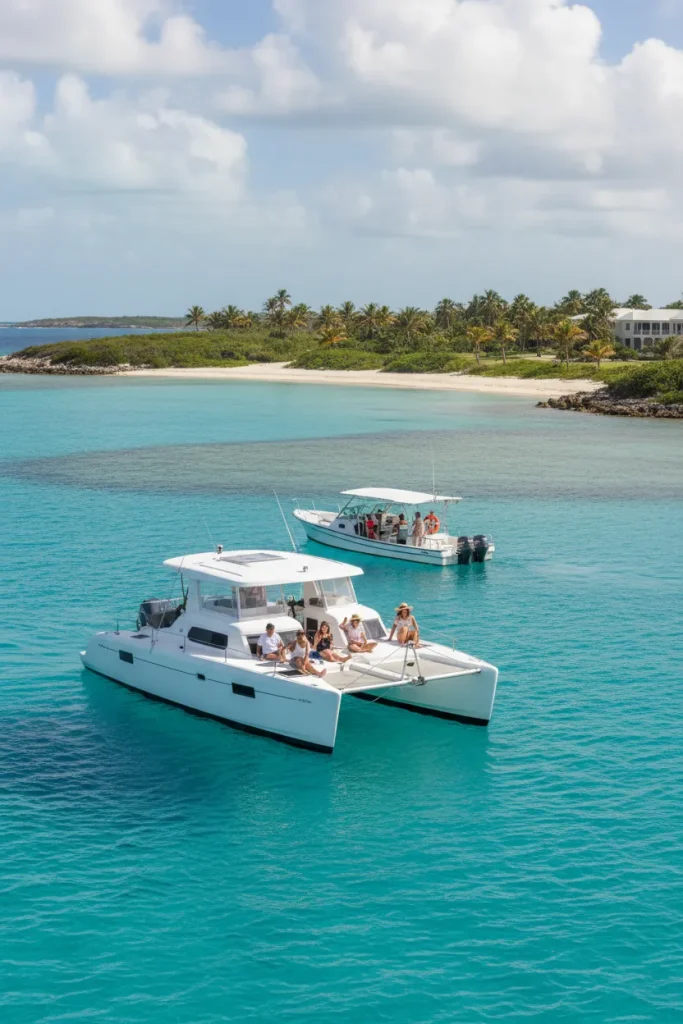
Catamarans usually offer more space and a gentler ride. The twin-hull layout spreads weight and reduces roll, which is why many travelers prefer them when worried about seasickness. An Anguilla charter yacht can range from a large motor yacht to a sailing yacht. Motor yachts with heavier displacement and onboard stabilizers are often the smoothest choice for longer trips.
Why larger boats and catamarans tend to be more stable
Stability comes from beam, weight, and hull design. Catamaran stability stems from two hulls that sit apart and resist rolling. That wider stance keeps the deck steadier when waves pass under you.
Large motor yachts gain steadiness from mass and displacement. Many charter yachts also include stabilizers and professional crews who manage speed and heading to reduce uncomfortable motion. For anyone sensitive to movement, those features matter.
Typical Anguilla tour durations and itineraries that influence motion exposure
Short snorkeling trips of one to three hours around Shoal Bay or Sandy Island mean less time at sea but often use smaller vessels. Tour duration and seasickness are linked here: brief outings limit exposure, yet smaller boats can feel bumpier.
Half-day catamaran sails typically last three to five hours and visit multiple spots. You trade slightly longer exposure for a steadier platform. Full-day private charters or crewed Anguilla charter yacht trips run six to eight hours or more. They offer calm anchor stops, shaded lounges, and flexible pacing to reduce sustained motion.
- Tip: For short experiences, ask if operators use larger glass-bottom boats rather than tiny skiffs.
- Tip: For half-day or full-day outings, prioritize catamaran stability or a larger crewed yacht.
Who This Option Is Best For: Traveler Profiles And Activity Match
Deciding whether to book a water tour comes down to your goals and tolerance. If you want to snorkel reefs, reach secluded beaches, or chase a sunset from the water, the right tour can deliver those discoveries with comfort. Use the profiles below to match the activity to how you react to motion.
Ideal candidates for water tours despite seasickness
If your symptoms are mild — nausea or a headache that eases with fresh air or a midship seat — you may still enjoy a day on the water. Travelers who respond to over-the-counter remedies, wristbands, or simple seat choices tend to do well.
People who prioritize exploration and authentic local experiences will find value in tours that minimize time in rough chop but still reach reefs and remote shorelines.
When to choose shore-based activities instead
Anyone with a history of severe motion sickness that leads to repeated vomiting or fainting should avoid extended boat time. Recent stomach illness and conditions that make medication risky are also reasons to stay ashore.
If you need predictable mobility for caregiving or medical reasons, pick beach days at Shoal Bay East, coastal drives, or snorkel-from-shore spots instead of a boat tour.
Family, seniors, and kids — safety and comfort considerations
Families can still enjoy water trips when they pick stable platforms and plan ahead. Crewed charters often supply life jackets, child-sized gear, and tailored provisioning for little ones. Bring preferred child masks and flotation for comfort.
Seniors benefit from larger vessels, shaded seating, and midship or lower-deck spots that reduce motion. Talk to your doctor about prescription options before you travel. Choosing operators that offer comfortable seating, attentive crew, and easy boarding makes senior travel Anguilla trips more manageable.
- Who should book water tours in Anguilla: mild sufferers, prepared explorers, and groups willing to select stable boats.
- Seasick traveler profiles: range from occasional queasiness to severe sensitivity; match the tour to your worst-case symptom level.
- Family-friendly Anguilla tours: choose catamarans or crewed yachts with kids’ life jackets and shaded spaces.
Weigh your trade-offs honestly: if discovery is the goal, choose the right boat and pack remedies; if comfort matters most, focus on safe shore options and shorter sea hops.
How To Prevent And Manage Seasickness Before And During Your Anguilla Tour
Before you step aboard, plan a few simple moves that cut the chance you’ll feel ill. Pick a trip time when seas tend to be calm and test any remedy on a short ride first. Pack ginger candies, plain crackers, wristbands, and a lightweight jacket so you can get fresh air quickly if you need it.
Seat and location strategies on different boats
Where you sit matters. For most vessels, the midship area on the lower deck feels the steadiest, with less vertical and rolling motion. On catamarans, the center of the main deck can feel more stable. On single-hulled boats, aim for amidships and face forward.
Steer clear of the stern on small boats and the very back of speedboats. Upper-deck forward seats sometimes help when seeing the horizon reduces sensory mismatch, but midship lower positions usually remain the most reliable choice for the best seat on boat.
Medications and medical options
Over-the-counter options can work well when timed properly. Dimenhydrinate, sold as Dramamine, is usually taken about one hour before departure; check Dramamine timing on the label. Meclizine, sold as Bonine or available by prescription as Antivert in some cases, tends to cause less drowsiness and can suit longer trips.
Scopolamine patches behind the ear offer strong protection for some travelers when applied several hours before travel. Speak with your healthcare provider about interactions, dosing, and side effects before relying on any medication during Anguilla tours.
Non-drug seasickness remedies
Many travelers prefer non-drug seasickness remedies that they can use anytime. Acupressure wristbands like Sea-Band work for some people when placed three finger-widths down from the wrist crease over the pressure point.
Motion-sickness glasses aim to stabilize peripheral vision and may help people who respond to visual cues. Ginger in chewable candy, tea, or ale soothes the stomach for some visitors. Keep your approach simple: fresh air and focusing on a steady horizon often reset conflicting signals between your eyes and inner ear.
Onboard tactics if symptoms start
If nausea begins, lie back or recline and close your eyes. Avoid reading or screens and take small sips of water rather than gulping. Light snacks such as green apple slices or plain crackers can settle your stomach more than heavy or greasy foods.
Tell the crew early so they can move you to a steadier spot, offer ginger, or shorten the outing if needed. With planned preparation and a few quick actions, you raise your chances to prevent seasickness Anguilla visitors often worry about, letting you enjoy more time on the water.
What To Know Before You Book: Choosing Operators, Boats, And Booking Tips For Anguilla
Before you reserve any trip, take a moment to ask the right questions. Picking the right vessel and operator makes a big difference for comfort, especially if motion is a concern. A quick call or email can save a day of misery and help you enjoy Anguilla’s turquoise waters.
Ask about boat type, capacity, and stability features.
- Request vessel specifics: catamaran, monohull, powerboat, or glass-bottom boat. Catamarans usually feel steadier.
- Confirm passenger count and whether the boat has stabilizers, a wide beam, or a sheltered cabin to reduce motion.
- Ask if itineraries can be shortened or rerouted if someone becomes unwell during the trip.
Check booking details and the cancellation stance.
- Review the cancellation policy Anguilla tours use and any refund windows tied to weather or guest illness.
- Find out if operators offer shore pickup or quick-return options when seas get rough, especially useful for families.
- For private charters, read the contract for extra fees, Advance Provisioning Allowance rules, and payment schedules.
Confirm safety credentials and onboard medical readiness.
- Ask about crew training, certifications like STCW, and whether the crew carries a stocked first-aid kit.
- Check for clear seasickness protocols and what the team will do if a guest needs care.
- Ask about sanitation and onboard medical facilities for larger tours or cruise-style trips.
Time your outing around calmer conditions.
- Morning departures often offer lighter winds and gentler seas; late afternoons can bring more chop.
- Ask how Anguilla boat operators monitor weather and the thresholds they use to change plans or cancel.
- Confirm pickup points, arrival time, luggage limits, and recommendations like reef-safe SPF and soft bags.
Practical notes on payments and logistics.
- Verify accepted payment methods and any escrow practices for larger charter deposits.
- Check whether children need special gear and what snacks or motion remedies the operator allows onboard.
- If you’re booking water tours Anguilla offers, keep copies of confirmations and the operator’s emergency contact handy.
Safety on Anguilla boats matters to your experience. Clear answers about crew readiness, cancellation policy Anguilla tours keep, and vessel stability should guide your choice. Trustworthy Anguilla boat operators will be transparent and ready to prioritize guest comfort and care.
Real Guest Quotes And Anecdotes: How Seasick Travelers Experienced Anguilla Tours
We heard from travelers who faced motion challenges and from those who skipped boats altogether. These short accounts show practical choices, what worked, and what people wished they had known before boarding.
Managed-success examples
- One family booked a morning sail on a large catamaran, took meclizine an hour before departure, and used fresh ginger candies while keeping to the shaded cockpit. Crew members suggested sitting midship near the salon and pointing out the horizon during choppy patches. This group reported being able to snorkel at Sandy Island and enjoy the full-day itinerary.
- A couple combined wrist acupressure bands with small, frequent sips of water and light crackers. The captain adjusted speed and anchor stops when seas picked up. Their catamaran reviews Anguilla praised the crew’s attention and the vessel’s steady platform for longer sails.
- Guests on a crewed charter appreciated the crew’s flexibility. When someone felt off, the crew offered quick deck access for fresh air and moved the boat nearer to a calm cove. These Anguilla guest quotes highlight how crew training and communication can change a day at sea.
Guests who avoided water tours
- Several visitors with a history of strong reactions chose shore-based alternatives like snorkeling from Shoal Bay East, coastal drives, and food tours. They reported equal satisfaction and fewer surprises than on unpredictable sea days.
- Families traveling with toddlers or older relatives often selected guided island tours and beach days at Little Bay. Those seasick traveler experiences echoed a preference for predictable schedules and easy access to medical care when needed.
Lessons from repeat visitors
- Repeat travelers recommend favoring larger motor yachts or catamarans and arriving early for calmer morning sails. Many keep a small seasickness kit with medication, wristbands, ginger candies, and a lightweight blanket.
- Experienced visitors advise telling operators about any motion history at booking time. That simple step prompts crews to suggest ideal seating, route adjustments, and quicker returns if symptoms worsen.
- Anguilla tour anecdotes often stress avoiding heavy meals before boarding and choosing tours with shaded areas and easy deck access. These small choices reduce motion exposure and improve overall comfort.
“We took a morning catamaran, stayed midship, and the crew kept a steady pace. I took meds ahead of time and could snorkel without issues,” a frequent visitor said.
Across these Anguilla guest quotes and seasick traveler experiences, practical preparation, clear communication with operators, and selecting stable platforms remain the most-cited ways to enjoy the water safely. Catamaran reviews Anguilla frequently mention stability and crew responsiveness as deciding factors when booking.
Conclusion
Deciding whether you should book water tours in Anguilla comes down to the match between your seasickness profile and the tour you pick. The island’s reefs, hidden beaches, and coastal culture are easiest to reach by boat, so the reward is high. If you handle mild motion or plan to use preventive measures, a morning catamaran or larger crewed yacht often offers the smoothest ride and the best chance to enjoy snorkeling and shore stops.
If your Anguilla seasickness decision leans toward severe sensitivity or recent illness, favor shore-based options that still feel authentic — beach clubs, island drives, and short harbor excursions can deliver culture and calm. For families and older travelers, prioritize operators who confirm crew training, safety gear, and child life vests before you commit.
Use simple water tour booking tips: ask about vessel type, stability features, cancellation and quick-return policies, and whether the crew can accommodate medical needs. Time medications like meclizine or a scopolamine patch properly, and pack ginger, wristbands, reef-safe sunscreen, and soft luggage. Consider a crewed charter for personalized care and provisioning if comfort is a top priority.
Weigh the risk, prepare like an explorer, and try a short morning catamaran trip if you can. With the right choices and a basic prevention plan, you can discover Anguilla’s best coastal experiences without letting seasickness steer your plans.