
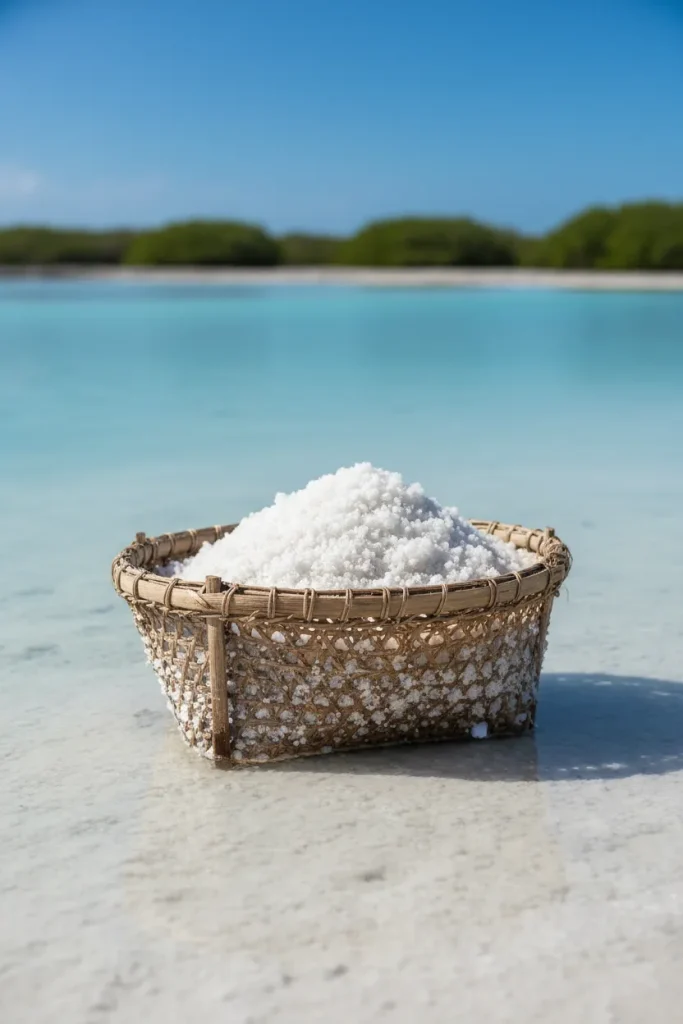
Are Anguilla cultural tours worth adding to your trip? For many travelers, yes — especially if you want to understand the island beyond its beaches through salt ponds, local stories, food, music, and hands-on heritage experiences.
Anguilla salt-picking tours and Anguilla heritage tours blend cultural learning with scenic island stops. Whether you want a gentle classic route or a deeper Local Living-style experience, this guide helps match your energy, interests, and budget to the right cultural tours Anguilla has to offer.
Guests often sum it up best. “Watching workers harvest salt at dawn felt like stepping into history,” says travel writer Paul Brady after an early-morning salt pond walk. Chef Leah Cohen told us, “The flavors at the heritage market paired with a salt-picking demo made the island come alive.”
✅ Browse Anguilla Tours On Viator
Planning a trip to Anguilla? Explore our Anguilla Guides for hotels, beaches, travel tips, and more.
Why Anguilla Is a Top Cultural Destination for Salt Picking and Local Heritage
Anguilla draws travelers who crave small-island stories and hands-on experiences. You can feel the island’s character in markets, beachside bars, and salt ponds where history meets daily life. This blend of living traditions and natural beauty makes Anguilla culture easy to explore on short trips or longer stays.
Anguilla’s cultural calendar and festive season appeal
December turns the island into a lively scene that attracts visitors seeking warmth, music, and street parties. Virtuoso’s Travel Week ranks Anguilla high for holiday travel because the beaches and local venues host concerts, food events, and community festivities. If you plan seasonal travel Anguilla in winter, expect busier but celebratory streets, pop-up markets, and late-night calypso sets.
Outside the holidays, smaller festivals celebrate food, boat racing, and local crafts. These events give you a chance to connect with residents, sample specialties, and learn how traditions persist through generations.
Historical importance of salt production in Anguilla
Salt shaped how people lived and where they settled on the island. Salt ponds were economic hubs, and families passed down harvesting methods for decades. The landscape still carries traces of that work: flat pans, drying beds, and weathered stone markers.
Learning Anguilla salt history means visiting those ponds and hearing stories about trade, survival, and local ingenuity. That past explains why some communities cluster near certain shores and why certain recipes and crafts use salt in meaningful ways.
What to expect on a cultural heritage tour in Anguilla
Most Anguilla heritage tours combine short walks around salt flats with guided talks on traditional harvesting. Guides describe tools, seasonal cycles, and how tides affect yields. You will often see wetland birds and learn why conservation matters to both ecology and heritage.
- Guided walks on uneven ground and light hikes near ponds.
- Demonstrations of salt-harvesting techniques and local anecdotes.
- Stops at nearby historical sites and chances to try dishes rooted in salt culture.
- Short vehicle or boat transfers between ponds and villages.
Expect a personable guide who values authenticity and cultural respect. Tours suit curious families and independent travelers who want a tactile way to connect with place, food, and stories of Anguilla culture.
Best Anguilla Cultural Tours
If you want authentic experiences on the island, this guide points to three clear tour styles. Each option blends landscape, history, and local people so you can choose what fits your pace and curiosity.
Salt-picking focused tours
These outings center on historic salt ponds and the techniques that sustained island communities. You can watch or join hands-on demonstrations, hear generational stories from local guides, and spot shorebirds at quiet lagoons.
Expect itineraries that visit multiple ponds, include interpretive stops, and run from half-day to full-day. Travelers who book salt-picking tours Anguilla often bring a camera for wide salt flats and coastal scenery.
Combined heritage and beach tours
Want culture with a swim? These Anguilla heritage-and-beach tours mix salt-pond visits and heritage sites — think small forts and village walks — with time on one of the island’s famous beaches.
Itineraries balance relaxed beach breaks, light snorkeling, and curated history stops. These tours suit travelers who prefer a blended pace and enjoy both learning and leisure in a single day.
Local Living and immersive culture tours
For deeper exchange, choose tours modeled on local living Anguilla experiences. Expect home visits, cooking demos, music or craft sessions, and longer conversations with families or artisans.
Immersive options may include participatory salt-picking, meals flavored with local ingredients, and small-group formats for richer connection. These tours favor travelers who want meaningful cultural contact over quick sightseeing.
Which Tour Style Fits Your Travel Personality?
Anguilla offers tour options that match how you like to travel. Pick a path that suits your pace, interests, and the kind of memories you want to bring home. Below are clear choices to help you decide which Anguilla tour styles fit your travel personality.
Classic leisure travelers
If you prefer easy days and scenic moments, choose combined heritage-and-beach itineraries. These tours pair gentle walks around salt ponds with restful beach time and optional extras like a rum tasting or short boat rides. They deliver cultural context without taxing your energy, making them a smart pick for those who want relaxed discovery.
Active explorers
For people who like movement, active tours Anguilla offer full-day adventures. Expect coastal hikes, rugged salt-pond treks, and choices such as biking or snorkeling between stops. These travel personality tours demand a higher fitness level and reward you with variety and memorable outdoor challenges.
Cultural immersion seekers
Choose Local Living-style arrangements when you want deep, hands-on experiences. These include multi-hour stays with local hosts, guided salt harvesting, and cooking sessions that teach Anguillian recipes. Small-group or private formats let you ask questions and build genuine connections with artisans and elders who carry island traditions.
Family-friendly options
Anguilla family tours are designed for kids aged seven and up and focus on safe, interactive learning. Expect shorter walks, demonstrations children can join, beach play, and story-driven stops about the island’s salt history. Look for operators with a track record hosting families and clear safety measures so everyone feels comfortable.
Top Local Operators and What They Offer
Start your planning by choosing operators with deep Anguilla roots and strong guest feedback. Local knowledge makes salt-pond visits richer, turning a simple walk into a story about craft, community, and coastal ecology.
Overview of reputable local guides and operators
Look for teams led by local guides Anguilla residents trust. Many boutique operators work with community elders and artisans to create hands-on salt-picking and heritage walks. International models like G Adventures show how different tour styles — classic, active, immersive, family — can map to local offerings without replacing the island’s small operators.
What to look for in a responsible operator
Choose responsible tour operators that hold local licenses and insurance, state clear group-size limits, and disclose how earnings support the community. A good operator will explain ecological concerns around salt ponds, respect bird habitats, and secure permission before entering private land.
- Transparent pricing and written itineraries.
- Evidence of fair pay to local guides Anguilla and partnerships with artisans.
- Clear policies on conservation and visitor conduct.
Price ranges, duration, and inclusions
Half-day salt-picking experiences often start at a modest local rate. Full-day immersive or private options cost more, reflecting added transport, meals, and deeper access. Tour prices Anguilla vary by group size, meal inclusion, and whether a private guide is provided.
Typical inclusions to expect:
- Guided visits to salt ponds and heritage sites.
- Local-guide fees and transport from common pick-up points.
- Some tours add tastings, light meals, or hands-on salt harvesting.
Upgraded private tours increase cost but can deliver a personalized pace and off-the-beaten-path stops that connect you with the island’s culture.
Guest Quotes and Real Visitor Experiences
Travelers often sum up their days in Anguilla with sensory memories: the crunch of salt underfoot, stories from island elders, and a sudden breeze off the pond that cools the sunburn. These recollections shape Anguilla tour reviews and help future visitors decide which experience fits their pace.
Selected guest testimonials about salt-picking tours
“Watching the traditional harvest felt timeless. Our guide from Anguilla explained each step and let us try the rakes — I still taste the sea on my lips.” — a visitor who paired the tour with a beach afternoon.
“We went in December and the festive energy made the visit feel like a local celebration. The food and songs after the walk were the highlight for our family.” — a traveler who booked during the holiday season.
“Hands-on learning and clear storytelling made the tour more than sightseeing. The children loved collecting small salt crystals.” — a parent who recommended the family-friendly option.
Common praise and constructive feedback
- Praise centers on authentic guides, memorable food pairings, and unique salt-pond landscapes that photographers love.
- Guests often highlight the combination of cultural stops with relaxed beach time as a top value.
- Constructive notes mention uneven walking surfaces near ponds and limited shade, so comfortable shoes and sun protection improve the visit.
- Some visitors ask for longer immersive time with hosts to hear more stories and see additional demonstrations.
How guest feedback helps choose the right tour
Reading aggregated salt-picking tour testimonials and Anguilla tour reviews reveals patterns. Short stops suit casual visitors who want a quick cultural touchpoint. Full-day Local Living options work best for travelers seeking a deep dive.
Visitor experiences Anguilla often point to operators that balance authenticity with safety and value. Look for comments about knowledgeable guides, clear accessibility notes, and realistic timing. Those cues steer you to the right fit for your group, whether you travel solo, with family, or as part of a curious crew.
Practical Tips for Booking and Preparing
Ready to plan your salt-picking and heritage visit? A little preparation makes the experience smoother and more rewarding. Below are concise tips for timing, what to bring, and how to handle bookings so you get the most from local guides and shorelines.
Best times to visit and seasonal considerations
The festive season around December lights up Anguilla with music, food, and cultural events; this is often the Anguilla best time to visit if you want lively festivals and packed itineraries. For quieter, more thoughtful salt-pond walks, choose shoulder months like May or September when tours are less crowded and prices can be lower.
Check seasonal weather patterns before you go. Trade winds keep things pleasant most of the year, but brief squalls can occur. If birdwatching matters, time your trip to match local migrations for better sightings near wetlands.
Packing and safety for salt-picking experiences
Packing for salt-picking means gear that handles salt crust, mud, and sun. Bring sturdy sandals or walking shoes, a wide-brim hat, reef-safe sunscreen, and a refillable water bottle to stay hydrated. Insect repellent helps at wetland edges.
Avoid white clothing if you plan to harvest by hand; salt spray can leave stubborn marks. Carry a light windbreaker for coastal breezes. Always follow guide instructions to protect fragile habitats and keep yourself safe.
Booking logistics and customization
Peak weeks fill fast, so book in advance if you want a spot during holidays or major events. When you book Anguilla tours, ask about group size limits, accessibility, and whether hotel or marina transfers are included.
- Request private or family options if you prefer a tailored pace.
- Ask about combining activities — longer cultural immersion, culinary stops, or beach time are common add-ons.
- Confirm cancellation and refund policies before finalizing your tour booking Anguilla plans.
To secure specialized experiences, mention dietary needs or mobility concerns when you book. If you prefer a flexible itinerary, many operators will customize routes and timing when you book Anguilla tours early.
Insider Recommendations and Local Heritage Stops Not to Miss
Start with a short walk around the historic salt pans to feel the rhythm of life that shaped Anguilla. These quiet flats tell a story of trade, weather, and daily work. Visiting salt ponds Anguilla up close connects the landscape to the island’s maritime past and gives context to later stops.
Must-see heritage sites near salt ponds
Visit small community museums that display salt-harvesting tools and offer clear interpretation of local methods. Look for shoreline lookout points where you can photograph coastal vistas and spot the same channels boats once used.
- Community museums with exhibits on agriculture and seafaring.
- Interpreted salt-pan sites showing traditional tools and techniques.
- Coastal viewpoints for landscape and historical context.
Food, music, and craft experiences to combine with your tour
Pair a morning at the ponds with a beachfront seafood tasting or a beach barbecue lunch that uses locally cured salt. Try cooking demonstrations to learn how chefs use island spices and salt-cure methods. These meals make the history you saw taste real.
Book an evening with live local bands to sample Anguilla food and music in the same setting. Seek artisan workshops where you can watch or try boat building, basket weaving, or percussion rhythms. Hands-on craft stops strengthen your connection to place.
- Seafood tastings and beach barbecues that highlight local salt techniques.
- Cooking demos focusing on island recipes and spices.
- Artisan workshops and live-music nights showcasing local traditions.
How to extend your cultural itinerary in Anguilla
Stretch your visit by alternating heritage tours with beach days or snorkeling trips that reveal marine life tied to coastal history. Add overnight Local Living experiences with community hosts to learn routines and stories at a human pace.
Mix Classic and Local Living activities to keep balance between rest and immersion. Choose lodging near cultural hubs so you can slip into spontaneous cultural stops Anguilla locals favor, like impromptu music nights or market mornings.
- Plan heritage mornings and leisure afternoons for a relaxed pace.
- Book eco-tours or snorkeling to connect land history with marine life.
- Stay near towns that offer easy access to cultural stops Anguilla visitors miss if they stay remote.
Conclusion
Anguilla stands out for its lively festive season, deep-rooted salt history, and 33 beaches that pair well with heritage outings. To find the Best Anguilla Cultural Tours, think about your travel personality: Classic for relaxed pacing, Active for hands-on exploration, Local Living for deep cultural exchange, and Family for kid-friendly rhythms.
When you choose Anguilla tour options, prioritize operators with strong local ties and responsible practices. Guest feedback consistently praises knowledgeable local guides and combined cultural-plus-beach itineraries for delivering the best balance of discovery and downtime.
Practical prep matters: bring sturdy footwear, use sun protection, and book ahead to secure small-group experiences. Whether you visit during the spirited festive season or in a quieter month, leaning into immersive options will give you a more authentic taste of Anguilla salt-picking culture.
In short, this Anguilla salt-picking conclusion is simple: match a tour style to how you like to travel, favor trusted local operators, and plan practically. Do that and you’ll leave with richer stories, a clearer sense of place, and memories that blend culture and coastline.