
Looking for calm seas, powdery beaches, and easy access to unforgettable underwater life? Scuba Diving Tours In Anguilla deliver all that with a gentle, unhurried charm. This compact British Overseas Territory is English-speaking, uses American dollars widely, and feels effortless to explore—perfect for independent travelers and families who want discovery without the crowds.
Scuba diving is known for the clear water diving fans rave about. The island’s coastline may be small compared with Turks and Caicos or the Belize Barrier Reef, but the clarity and peaceful dive conditions make diving tours especially rewarding for relaxed Caribbean dive trips.
Practical details matter: flights usually connect through Clayton J. Lloyd International Airport (AXA), peak season runs December–April, and shoulder months like May–June and November offer better deals and fewer people. Expect intimate luxury, local hospitality, and plenty of shore time to pair with your dives.
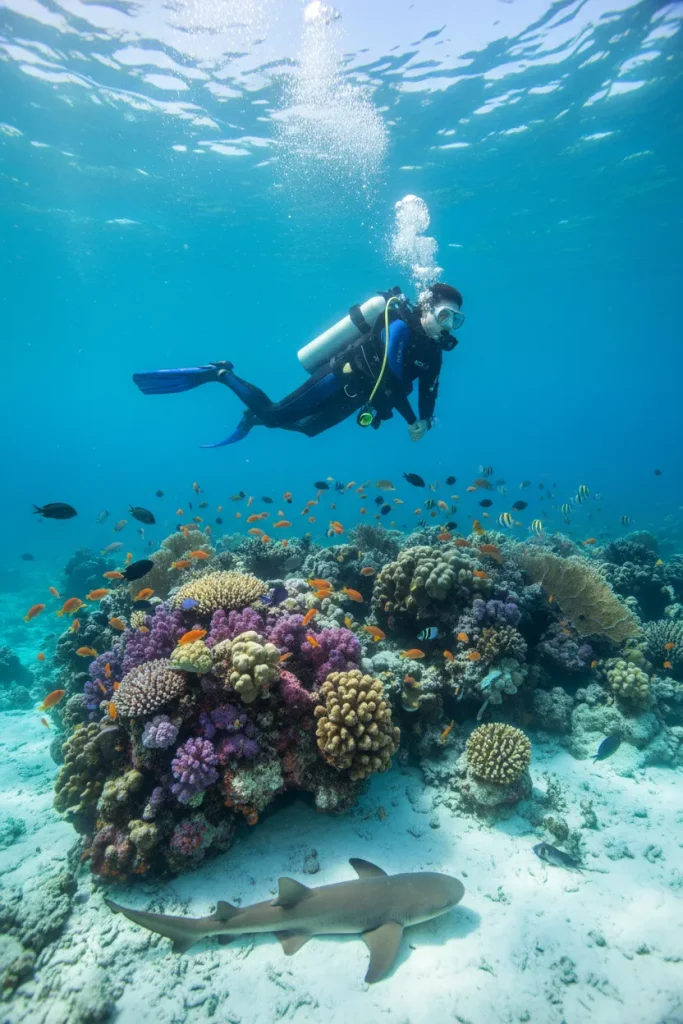
Guests say it plainly. “Visibility was incredible—swam with parrotfish and a sleepy nurse shark,” shared Sarah from Boston after a diving tour day trip. Travel writer Mark Jenkins noted, “The reefs are quieter but colorful; perfect for underwater photos.”
Stick with us and we’ll walk through the best diving tours, what marine life you’ll meet, and simple tips to plan your Caribbean dive trips so you get the most from the clear water diving on offer.
✅ Browse Anguilla Tours On Viator
Planning a trip to Anguilla? Explore our Anguilla Guides for hotels, beaches, travel tips, and more.
Why Anguilla Is a Top Choice for Clear Water Diving and Marine Life
Anguilla draws divers who want easy logistics, calm seas, and vivid underwater views. The island’s compact feel lets you reach a wide range of dive sites without long boat rides. You can plan short stays that still include several shore and boat dives.
Island geography and water clarity
The island’s geography is defined by a low, flat profile and an exposed Atlantic flank that creates many sheltered bays on the leeward side. Those bays produce calm inshore water and excellent water clarity on most days, which suits relaxed, scenic dives for families and solo travelers.
The island covers about 102 sq km, so operators can run quick runs to reefs and wrecks. That compactness means less transit time and more bottom time, a practical perk when you have limited vacation hours.
Marine habitats around Anguilla
Expect a mix of shallow coral gardens, rocky ledges, seagrass nurseries, and occasional drop-offs. These marine habitats support reef fish, juvenile species that shelter in seagrass, and frequent sea turtle sightings in protected coves.
The reef systems here are not as massive as those on some other Caribbean islands, yet the clear water, varied terrain, and healthy pockets of coral make each dive engaging for a wide range of skill levels.
How Anguilla compares to nearby hotspots
When considering Anguilla vs Turks and Caicos diving, think about scale and style. Turks and Caicos includes one of the region’s largest reef systems and often offers more megafauna encounters and deeper wall dives.
Anguilla trades size for intimacy. You get quieter beaches, accessible day trips, and an upscale, small-resort vibe that pairs well with relaxed diving itineraries. For travelers who want short boat runs, fine dining after a dive, and calm visibility, Anguilla can be the better match.
Scuba Diving Tours In Anguilla
Clear water, short boat rides, and a friendly island vibe shape the dive scene here. Whether you want a quick two-tank morning or a relaxed family day on the water, operators tailor trips to skill level and interest. Read on to see common formats, what to ask before you book, and the types of sites you’ll visit on a typical charter.
Types of tours available
Half-day boat dives are the go-to for many visitors. Expect two-tank outings that take you to nearby coral gardens and rocky reefs, returning to port by midday.
Full-day safaris visit multiple sites and include beach breaks, longer bottom times, and lunch on board. These work well when you want variety in a single day.
Intro or taster dives give first-timers a guided shallow experience with a PADI or SSI instructor. Guided shore dives suit certified divers who prefer minimal travel and flexible surface intervals.
Combined snorkeling and diving charters keep everyone happy on family trips. Specialty trips such as night dives or photography-focused excursions appear seasonally, often on request.
Small-boat charters are common because the island is compact. Operators frequently design mixed-activity days so families and groups with varied interests can share one outing.
Popular local dive operators and certifications
Pick a licensed center that lists PADI or another recognized agency on its credentials. Certification matters more than marketing claims; it shows a standard of training and safety.
Ask about instructor experience, equipment maintenance, and emergency procedures. Reputable dive operators will provide rental gear, briefings, and flexible options for mixed-ability groups.
Look for operators who welcome families and repeat guests, and who can document recent safety checks. If you travel with kids, confirm ratios and whether staff hold youth-first-aid certifications.
Typical dive sites on tours
Tours usually mix easy coral gardens and bommies with more complex rocky reefs. Gardens and bommies offer calm navigation and strong macro life for close-up views.
Rocky reefs and small walls suit divers comfortable with modest depths and current. Some trips include wrecks or artificial reefs that draw schools of fish and provide photo subjects.
Seagrass flats attract juvenile fish, rays, and green turtles. Many operators plan one shallow, relaxed dive plus a second dive that can be deeper or drift-style depending on conditions.
Ask your operator which sites are planned for your day and whether itineraries change with tides. A good operator will match sites to the group’s experience and the prevailing currents.
What To Know Before You Go: Practical Diving Tips for Anguilla
Plan a smart trip and your dives will feel effortless. Read these practical notes on travel, timing, and safety so you can focus on clear water and colorful reefs.
Entry and travel basics:
- Most U.S. travelers fly into Clayton J. Lloyd International Airport (AXA) with connections from St. Maarten or other regional hubs. Expect short waits at customs and bring a passport valid for your stay.
- American dollars are widely accepted and English is the official language, which simplifies travel logistics for U.S. visitors.
- Car rentals are limited. Reserve early or arrange hotel or dive-operator transfers to avoid last-minute hassles.
- Book lodging and dives well ahead of peak season (December–April) to secure preferred boats and guides.
When to dive and water visibility:
- Peak season from December through April gives the most consistent sunny days, calm seas, and stellar visibility. This answers many questions about when to dive for reliably clear conditions.
- Shoulder months, like May–June and November, often deliver great visibility with fewer people and lower rates. Be ready for brief showers and flexible boat schedules.
- If you must travel in the low season, expect occasional choppier days and plan extra time for weather-related changes to itineraries.
Health, safety, and equipment:
- Always dive with a certified buddy or a professional guide. Confirm PADI or SSI accreditation when choosing an operator to prioritize scuba safety.
- Follow the 24-hour surface interval before flying after diving to lower the risk of decompression illness.
- Most centers rent full kits: BCs, regulators, tanks, and wetsuits. Bring your own mask and snorkel if you prefer a custom fit or specific brand comfort.
- Use reef-safe sunscreen and carry motion-sickness remedies if you get queasy on boats. Stay hydrated and tell dive staff about any medical issues before you enter the water.
Final travel tips:
- Check flights and connections early to streamline dive travel tips into your itinerary.
- Confirm pickup times with your dive operator the day before a planned trip to avoid missed departures.
- Pack a small dry bag for phone, spare cash, and documents while on the boat.
Top Marine Life and Reefs You’ll See on Anguilla Dives
Gliding beneath Anguilla’s clear surface feels like stepping into a compact, colorful world. You’ll find busy coral gardens, sandy channels, and seagrass flats that host a surprising array of life. Marine life ranges from tiny juveniles tucked in reef crevices to turtles cruising shallow edges.
Common species and seasonal sightings
- Colorful reef fish such as parrotfish, wrasse, and sergeant majors are everywhere, making for lively, easy-to-spot subjects.
- Rays and small reef sharks appear on occasion around drop-offs and sandy bottoms; larger pelagics turn up seasonally, so ask local operators about current visitors.
- Green and hawksbill sea turtles divers see frequently along seagrass beds and reef edges, where they feed and rest.
- Juvenile fish use sheltered nursery habitats close to shore, creating dense life for macro observation and behavior shots.
Coral health and conservation notes
Reefs are not as vast as some Caribbean barrier systems, and coral condition varies by site. Some areas show healthy growth, while others bear scars from storms and past bleaching events. Protecting those reefs starts with simple actions you can take on every dive.
- Do not touch or stand on coral; even light contact can damage delicate polyps.
- Use reef-safe sunscreen and wear a rash guard to reduce chemical runoff and physical abrasion.
- Choose dive operators who support marine park rules or local restoration projects; many small outfits participate in coral monitoring and cleanups.
Best sites for underwater photography
For underwater photography, Anguilla offers a mix of shallow, sunlit gardens and interesting structure for dramatic frames. Shallow coral gardens and bommie fields give bright natural light and bold color for wide-angle shots.
Seagrass edges are prime for the sea turtles visitors hope to capture; turtles often feed there in calm conditions. Calm bay entries provide easy staging for wide reef panoramas, while deeper bommies and wrecks suit strobe-equipped rigs for moodier compositions.
- Bring a camera with close-focus capability for macro and small-subject details.
- Rely on guides who know the best light times and animal habits; they can place you where behavior and visibility align for great frames.
- For deeper scenes or wrecks, an external strobe helps restore color lost to depth.
Choosing the Right Tour for Your Skill Level and Interests
Pick a dive that matches your comfort and goals to get the most from Anguilla’s clear water and reefs. You can start easy and work up to deeper, more technical profiles. Read the short descriptions below to match what you want with what local operators offer.
Beginner options
Many operators run PADI Discover Scuba sessions or resort-style shallow dives with full instructor support. These beginner dives take place in calm bays with brief boat rides, so you spend more time underwater and less time worrying. They pair well with snorkeling or beach time and help first-timers build confidence in a single morning or afternoon.
Advanced and specialty trips
Experienced divers choose deeper reef and wall dives, drift sections, and photo-focused outings. Advanced scuba options often include night dives, wreck visits, and ledge explorations. Confirm operator experience, maximum depth limits, and gas options like nitrox before booking. Skilled guides and redundant gear are common on these trips to support complex profiles.
Family and luxury choices
Families can pick mixed-activity days that cut boat time and include child-friendly gear and patient instructors. Family dive packages are designed so parents and kids enjoy the same day without stress. For upscale travelers, look for private charters, bespoke itineraries, and concierge booking through high-end resorts.
Luxury diving packages often bundle private transport, onshore dining, or a private chef for a seamless experience. Ask resorts such as Belmond Cap Juluca or Malliouhana about integrated dive services and transfers to keep logistics effortless.
- Ask about student-to-instructor ratios for beginner outings.
- Check air types and depth limits for advanced dives.
- Request child-sized gear and flexible schedules for family days.
- Confirm what’s included in private or luxury charters to avoid surprises.
Guest Quotes, Reviews, and What Real Divers Say
We gathered firsthand impressions so you can picture dive days on Anguilla. Read a mix of short reactions and focused observations from travelers who have been underwater and back to the beach. These snapshots highlight what makes the island feel relaxed and reliable for small-group diving.
Sample guest quotes and themes
- “Quiet sites, crystal visibility, and guides who remember my name.”—many guests praise the uncrowded conditions and personalized service.
- “Shore entries that save time and let us stretch out on the beach afterward.”—surface time and easy shore access come up in multiple reports.
- “Great dinner options and villa service made dive days effortless.”—several divers note that strong hospitality complements their underwater experience.
Common praise and common complaints
- Common praise: calm water visibility, intimate small-boat experiences, attentive guides, and hassle-free shore dives from many resort areas.
- Common complaints: fewer large reefs and megafauna than places like Turks and Caicos, a limited number of operators at peak times, and the need for connecting flights to reach the island.
- Context: Anguilla attracts people who prefer relaxed, high-quality outings over crowds and dramatic barrier-reef spectacles.
How to vet reviews and ask the right questions
- Scan recent dive reviews and diver feedback for mentions of safety, gear upkeep, and instructor credentials such as PADI or SSI.
- Ask operators directly about group size limits, max depth and air profiles, emergency procedures, and the age and maintenance history of rental equipment.
- Check whether the operator offers nitrox, family accommodations, and whether they support local conservation or reef monitoring programs.
- When communicating, request scuba guest quotes from past clients and probe specifics: how long were surface intervals, how punctual were pickups, and did guides carry spare gear?
- Vet dive operators by confirming certifications, insurance, and visible safety gear during on-site briefings.
Use diver feedback to set realistic expectations and to find the operator that matches your pace. Careful vetting makes your dive trip feel like the calm, personalized escape many guests describe in their dive reviews.
Conclusion
Anguilla’s clear, calm waters and approachable reef sites make the best scuba diving tours in Anguilla a smart pick for anyone who loves discovery. Whether you travel solo, with family, or with friends, the island pairs boutique luxury and genuine local culture with small crowds and attentive service. That mix gives divers a chance to see healthy coral gardens, turtles, and reef fish without the bustle found at larger Caribbean hotspots.
To get the most from your trip, choose your season—peak months for weather and visibility or shoulder months for better rates—and be sure to book dive tours early through operators that show current certifications and safety records. Pack reef-safe sunscreen, bring your preferred mask if you have one, and arrange shore transfers or concierge help to keep logistics simple.
Ask specific questions about site profiles, current strength, and dive group size before you commit. When you return home, share the stories and photos; they’ll help other travelers find authentic, well-run trips. In short, the dive experience rewards curiosity and respect—an dive conclusion that invites you to explore, protect, and enjoy the underwater world like a friend showing you their favorite secret spot.