
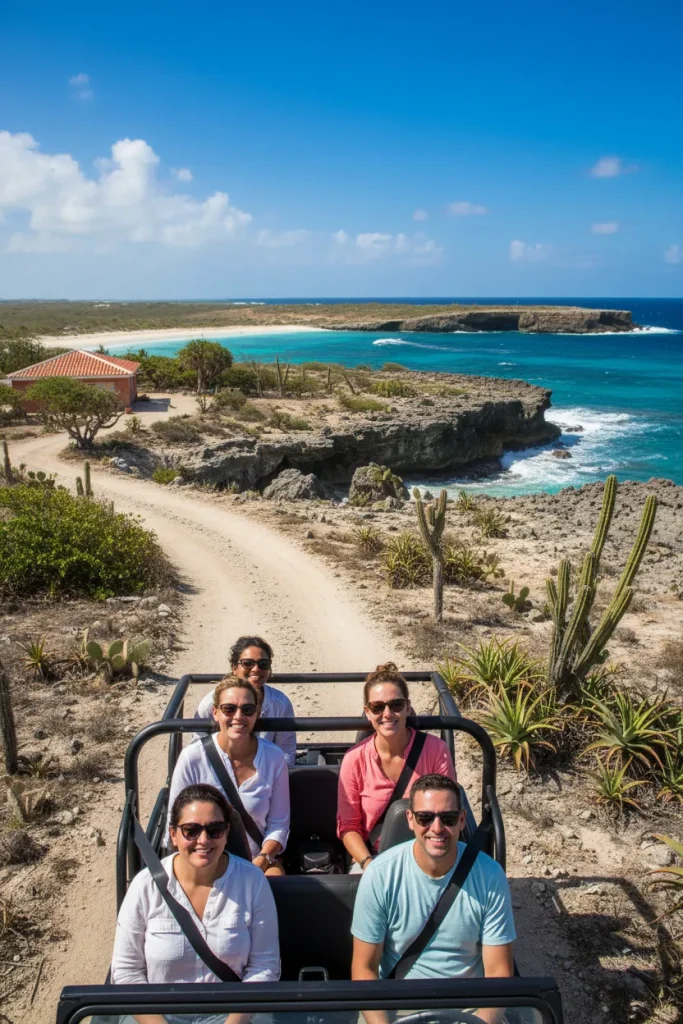
What are the best tours in Aruba worth booking on your trip? The best options are snorkel and boat tours from Palm Beach, Arikok National Park Jeep or ATV adventures, Oranjestad walking and food tours, sunset catamaran cruises, hiking or bike eco-tours, and private experiences that match your travel style.
Aruba is easy to explore because the island blends calm beaches, rugged landscapes, colorful streets, and clear water into one compact destination. You can snorkel over coral gardens, ride through Arikok’s wild terrain, wander Oranjestad’s historic streets, or end the day on a sunset sail without needing a complicated itinerary.
Guests say it best. “The catamaran sunset was a highlight — the crew played great music and the views were unreal.” Another guest shared, “Our Arikok jeep ride felt like stepping into a wild side of Aruba I didn’t expect.”
This guide helps you choose the Aruba tours worth booking, with practical tips on comfort, safety, packing, reviews, and how to match each experience to your pace, whether you’re traveling solo, with family, as a couple, or with friends.
✅ Browse Aruba Tours On Viator
Planning what to do? Explore our Aruba Tours & Things to Do guide for tours, activities, and trip ideas.
Planning a trip to Aruba? Explore our Aruba Guides for hotels, tours, beaches, and travel tips.
Tours In Aruba Worth Booking On Your Trip
Booking a tour can turn a busy island day into a calm, well-planned adventure. Local guides bring practical tips, quick routes, and insider stops that you might miss when traveling solo. For U.S. travelers on short trips, tours save time and let you see more in a few hours.
Why book a tour in Aruba
Guides from operators like De Palm Tours and Aruba Blue offer local knowledge that matters when exploring Arikok National Park. They point out safe paths, help spot wildlife, and know which coves and reefs are worth the stop. This kind of safety detail reduces risk on rugged trails and gives you access to off-the-beaten-path spots and snorkeling reefs that are harder to reach alone.
Tour groups also handle logistics for you. You won’t worry about parking, tide windows, or hidden fees. If you travel with kids, look for family-friendly notes in recent guest reviews. Use those firsthand accounts to pick a tour that fits your group size and comfort level.
How to choose a tour for your travel style
Start by matching the activity level to your energy. Choose active hikes or ATV routes if you want adrenaline. Pick catamaran or snorkeling trips if you prefer a relaxed day on the water. Read recent guest photos and short impressions to verify group size, guide helpfulness, and actual conditions.
- Check reviews for specifics: look for mentions of guide knowledge, timing, and gear quality.
- Compare cancellation and safety policies: prioritize operators that emphasize briefings and environmental stewardship.
- Pack and prepare: simple prep for skin and hair care makes long tour days more comfortable and supports your choice between active and easy options.
When choosing tours, balance price with what’s included. Cheap can be fine if the operator is clear about meeting points and limits on group size. Use recent traveler recommendations to narrow options quickly. Pay attention to seasonality and weather so your chosen day has the best conditions for snorkeling, hiking, or sightseeing.
Top-rated snorkel and boat tours around Aruba’s best beaches
Clear water, easy boarding, and short rides from shore make snorkel tours a top pick for most visitors. Boats leave frequently from Palm Beach and nearby marinas. Tours include masks, snorkels, life jackets, and light refreshments so you can focus on the reef and fish instead of gear. Before you step on board, hydrate and apply reef-safe sunscreen to protect skin and ocean life.
Highlights of popular snorkel routes
Most trips stop at two to four sheltered sites with calm visibility. Expect coral gardens, schools of parrotfish, and shallow swim-throughs that suit beginners. Palm Beach snorkeling often features quick access to lively reefs and gentle currents. Some operators add a guided underwater orientation and offer photos for purchase if you want keepsakes without hauling a camera.
- Short boat hops from Palm Beach to reefs and wrecks
- Multi-stop routes that include shallow flats near private cays
- Guided briefings and kid-friendly flotation options
Guest quotes and experience snapshots
“Crystal-clear water and lots of fish — booking was simple.”
“Our family loved the quick stops and the captain made kids feel safe in the water.”
“Photos after the second stop were a perfect souvenir.”
Who this tour suits
Snorkel tours work well for first-timers and swimmers who want a relaxed day at sea. Palm Beach snorkeling is ideal if you prefer short transfers and easy access. Couples seeking a mellow outing find these trips comfortable and scenic. For families, look for options that highlight safety, shallow sites, and experienced guides who keep kids engaged.
If you’re aiming for privacy, ask about itineraries that visit less crowded spots or private cays. Check operator notes for motion-sickness tips if you or someone in your party worries about rough seas. With basic prep and the right operator, these tours deliver clear views, simple logistics, and plenty of moments worth sharing on the next trip home.
Adrenaline and off-road adventures in Arikok National Park
Ready for raw landscape and heart-pounding routes? Arikok National Park tours deliver rugged trails, hidden pools, and dramatic viewpoints where desert-like interior meets turquoise shore. These outings stretch beyond sightseeing into hands-on exploration, guided by locals who explain geology, native plants, and the park’s natural history.
What to expect on jeep and ATV excursions
- Full safety briefings before departure and required helmets or seat belts for ATV excursions.
- Drivers follow marked routes that cross dirt roads, rocky ridges, and coastal tracks during Jeep tours.
- Stops at photo-perfect overlooks, natural pools, and geological formations that create striking contrasts for pictures.
- Guides share notes on flora, fauna, and cultural stories while keeping the group on park-approved paths to protect the landscape.
- Trips suit travelers who enjoy bumps, heat, and active pacing; they are not a restful beach alternative.
Guest quotes reflecting the rugged experience
“Our guide pointed out rare cactus blooms and led us to a secluded pool—an unforgettable part of the trip.”
“The jeep tour was thrilling but comfortable thanks to the clear safety briefing and steady guidance.”
“We booked ATV excursions for the views and left with memories of rugged coastline and quiet trails.”
Packing simple gear makes the difference. Sturdy shoes, sun protection, and plenty of water keep you comfortable during off-road adventures. Arrive rested and ready to take on bumps without worrying about fatigue or sun-related issues.
Choose operators that emphasize safety and environmental care, so your adventure leaves only footprints while you collect stories and photos from one of Aruba’s wildest corners.
Culture, history, and food tours in Oranjestad and beyond
Oranjestad’s bright facades, museums, and lively markets make it easy to wander and discover. You can start with a short guided route that mixes colonial architecture with contemporary street life. Small-group tours often include bakery stops, market tastings, and tips for local shops so you leave with flavors and maps in hand.
Comfort matters on these walks. Wear light layers, sun-protective hats, and reef-safe sunscreen so you stay focused on conversation and sampling rather than the heat. That level of prep helps when a tour moves at an easy pace for older travelers or families.
Many walking tours run from a couple of hours up to a half day. Look for operators who limit group size and feature resident-favored eateries and hidden gems. That gives you time at a museum, a fresh-market stall, and a neighborhood bakery without feeling rushed.
Walking and culinary tours in the capital
Expect stops at historic plazas, artisan stalls, and hole-in-the-wall cafés where guides share stories about Aruban traditions. Aruba food tours pair these stops with tastings of local specialties like pastechi and pan bati, plus recommendations for full meals after the tour.
- Short itineraries: 1.5–3 hours, ideal for sampling and photos.
- Half-day options: deeper dives into museums and market culture.
- Sensory focus: balance between tastes, sights, and neighborhood history.
Guest quotes about cultural immersion
“Our guide pointed out a family bakery that has been here for generations. The cinnamon rolls were the best part,” said a recent traveler.
“Pacing was perfect for my parents. We learned history and stopped for real street food,” wrote another guest after a walking tour.
Reviews emphasize knowledgeable guides who connect visitors with locals and point out spots you would miss on your own. Choosing an operator that centers authenticity and small groups will make the day feel like a local invitation rather than a checklist.
Catamaran cruises, sunset sails, and romantic options
Aruba’s coastline near Eagle Beach turns gold as the sun dips, making it a natural stage for sunset sails and evening catamaran departures. These outings mix easy comfort with scenic moments, so you can relax, take photos, and let the sound of waves set the pace.
Couples and honeymooners favor catamaran cruises for low-effort romance. Small groups, soft lighting, and attentive crews create a private vibe without the fuss. Many sails include cocktails, light snacks, and live guitar or soft playlists that match the sky’s changing colors.
What makes sunset sails popular with couples
Timing matters: sunset sails aim to catch golden hour and the first flush of twilight. That window gives you flattering light for portraits and a calm sea for quiet conversation. Add a premium upgrade or secluded anchoring spot and the moment feels curated for two.
On-deck comfort helps. Choose a vessel with shaded seating, non-slip decks, and a respectful crew that knows when to keep things low-key. Sensible prep—hydrating, using reef-safe sunscreen, and bringing a light wrap for breeze—keeps the night pleasant and photo-ready.
Guest feedback and romance-focused tips
Guests often praise the ambiance: slow sail, cool breeze, and a final sky that looks like a painting. Many mention live music and friendly bartenders as highlights. Daytime catamaran cruises sometimes include snorkeling stops, while evening sails stay focused on sunset and relaxation.
- Book a sunset departure near Eagle Beach for the classic view and easy hotel transfers.
- Ask if drinks and snacks are included and whether snorkeling gear is provided on mixed-day trips.
- Reserve a VIP table or private bow space if you want an extra-touch romantic upgrade.
“We watched the sun melt into the horizon while sipping rum punch—best island evening we had,” one guest wrote on social media.
For a smooth outing, arrive early to board calmly and secure a forward seat for unobstructed views. If you’re celebrating, tell the operator—many crews will help with small surprises like a dessert, flowers, or a champagne toast to mark the moment.
Active island experiences: hiking, biking, and eco-tours
Aruba invites you to move at island pace, whether you prefer steady walks, pedal power, or low-impact nature learning. Guided options blend scenery with stories about the landscape, plants, and coastal lookouts that few visitors find on their own. Pick a morning departure to dodge midday heat and make the most of softer light for photos.
Exploring Arikok National Park on foot and by bike
Arikok hiking routes take you across volcanic rock, sea-blasted coves, and cactus groves. Interpreting guides point out geological formations and native wildlife while keeping distances moderate for most fitness levels.
Bike tours navigate quiet island roads and park trails, offering a faster way to cover diverse terrain. Many operators supply hybrid or e-bikes, maps, and water stops so you can focus on views and local history.
- What to expect: interpretive commentary, moderate distances, rocky footing in places.
- Who it suits: active travelers, families with older kids, and anyone curious about island ecology.
- Gear tips: sturdy shoes, reef-safe sunscreen, a refillable water bottle, and light snacks.
Guest quotes and preparation advice
“The guide showed us hidden bays and explained how the native plants survive on little water. It felt like a discovery every step.” — recent traveler
“We swapped the car for bikes and saw two different coasts in one afternoon. Pacing and breaks made it perfect for our teens.” — family review
For eco-tours, expect short educational segments about conservation and sensible visitor behavior. Dress in breathable layers, hydrate often, and carry electrolyte snacks to stay energized. Leaving early or booking late-afternoon slots keeps temperatures pleasant and wildlife more active.
- Wear closed-toe shoes and a hat.
- Use reef-safe sunscreen and bring a small first-aid kit.
- Ask guides about trail conditions and pick a route that matches your group’s stamina.
Practical booking tips, safety, and budget considerations
Booking a tour in Aruba should feel like planning an easy day on the water or an adventure in Arikok National Park. Start with clear priorities: do you want speed and convenience, or local flavor and flexibility? Keep your schedule in mind when you search so short U.S. trips don’t lose half a day to transfers.
How to compare operators and read guest reviews
Read multiple recent reviews on TripAdvisor, Google, and social feeds to get a current picture of sea conditions and operator reliability. Look for mentions of guide credentials, group size, and whether equipment and refreshments are included. That helps you compare operators by value, not just price.
- Check cancellation and refund policies before you book.
- Confirm what’s included: transfers, meals, snorkel gear, photos and tips.
- Ask about child rules and accessibility if that matters for your group.
Health, packing, and sun-care reminders
Use a practical packing list so nothing essential is left behind. Include reef-safe sunscreen, a wide-brim hat, lightweight long sleeves for sun protection, water shoes for rocky beaches, and motion-sickness remedies for boat days.
- Bring a small first-aid kit and any prescription meds.
- Hydrate well before and during tours; guides appreciate guests who come prepared.
- Prep hair with leave-in conditioner and skin with a light moisturizer to avoid discomfort after long tours.
Tour safety
Safety starts with the operator. Confirm guide licensing for natural-area tours and ask about Arikok National Park rules before you head out. Ensure lifelines, flotation devices, and emergency plans are in place for water activities.
Budgeting and final booking tips
To avoid surprise fees, compare fixed inclusions like meals and transfers across operators. Balance cost against what’s provided and the pace of the itinerary. A slightly higher price that covers transfers and photos often saves time and stress.
- Book early for peak season and check for last-minute deals if your dates are flexible.
- Scan recent guest photos and posts for up-to-date impressions of conditions and pacing.
- Confirm group size and ask whether guides use radios or satellite phones for remote routes.
With a clear packing list, a habit of reviews-based research, and a focus on safety, you’ll feel ready and confident. These steps help you compare operators efficiently and choose the right fit for your trip style and budget.
Conclusion
Aruba blends soft sands at Eagle Beach and Palm Beach with the colorful streets of Oranjestad and the wild trails of Arikok National Park. That variety means tours can focus on lounging by the sea, diving into local culture, or chasing adrenaline on a Jeep or ATV. Use this guide to see how each option matches a travel mood, so you can decide what matters most before you book.
Simple prep makes a big difference. A basic skin and sun-care routine, a few packing choices, and a quick health check let you show up ready for snorkeling, hiking, or a sunset sail. When you arrive prepared, you spend less time worrying and more time discovering the island’s authentic moments with local guides.
Use guest quotes, photos, and honest reviews to choose operators that fit your style—family-friendly snorkel trips, high-energy off-road adventures, or intimate catamaran cruises. Those firsthand reports reveal what to expect and help you book safely and confidently.
With clear priorities and a little planning, you’ll choose tour experiences that feel true to your travel style and leave you with real memories. Keep this summary in mind as you compare options, and you’ll be set to enjoy the island without missing the moments that matter most.