
What are the best Aruba tours for non-swimmers? The best options are land adventures, glass-bottom boat trips, sunset cruises, beach days, and food or culture tours that let you enjoy the island without needing to swim.
Welcome to One Happy Island, where powdery sand, sunshine, and scenic views are not just for strong swimmers. If you prefer to stay dry or avoid deep water, you still have plenty of ways to enjoy the coast, explore the island’s rugged interior, and experience local flavor.
Picture a slow morning at Hadicurari with scrambled eggs, crisp bacon, homefries, white toast, and iced coffee before heading out toward Arikok National Park. Guests say it best. “The bacon was perfectly crispy and the iced coffee hit the spot,” one visitor said after a relaxed beachside breakfast before a day of exploring.
This guide is written for independent travelers and families who want non-swimmer-friendly activities in Aruba that feel comfortable, authentic, and easy to plan. You’ll find land-based adventures, shoreline options, glass-bottom alternatives, cultural stops, food tours, and practical tips on accessibility, safety, and choosing the right experience for your travel style.
✅ Browse Aruba Tours On Viator
Planning what to do? Explore our Aruba Tours & Things to Do guide for tours, activities, and trip ideas.
Planning a trip to Aruba? Explore our Aruba Guides for hotels, tours, beaches, and travel tips.
Aruba Tours For Non-Swimmers
Aruba welcomes travelers who prefer to stay dry without missing the island’s best features. You can explore dramatic coastline views, desert-like terrain in Arikok National Park, and colorful streets in Oranjestad while avoiding deep water. Many operators offer safe, shore-focused tours for guests who want scenery, culture, and comfort without swimming.
Overview of safe, accessible tour options
Land-based adventures like guided ATV rides, 4×4 excursions, and hiking offer close-up scenery with no swimming required. Glass-bottom boat trips and covered coastal cruises let you see marine life from your seat. Beachfront leisure at Eagle Beach and Palm Beach gives you loungers, shaded cabanas, and gentle shorelines for relaxing without wading far out.
Why non-swimmers can still enjoy the island’s coastal attractions
You do not need to dive in to appreciate the reefs and clear water. Glass-bottom boats reveal coral gardens and fish from above. Shoreline viewpoints and calm coves give you great photo opportunities and wildlife spotting. Operators often provide life jackets, secure seating, and attentive crews, which helps nervous guests feel more confident.
Tips for choosing tours with minimal water exposure
Look for listings that mention shore-based snorkeling, glass-bottom, coastal sightseeing, or no swimming required. Confirm life jacket availability, restroom access, and shaded seating before booking. Pick short boat rides or sheltered catamarans when possible, and prioritize tours that explain safety protocols clearly.
- Check guest reviews for firsthand notes from other non-swimmers.
- Ask operators about seating layout, shaded areas, and crew assistance.
- Choose departures from Palm Beach or Eagle Beach for easy shore access.
With a little planning, shore activities can be memorable and stress-free. You get the beauty, comfort, and island atmosphere without stepping into deep water.
Top Land-Based Adventures: Explore Arikok National Park and Island Scenery
Want big views and zero swimming? Land-based adventures deliver rugged scenery, quiet coves, and cultural surprises without a dip. You’ll feel far from the resort crowds while staying safe on guided routes that keep your feet on dry ground.
What to expect on guided ATV, 4×4, and hiking tours
On ATV and 4×4 excursions, expect a short safety briefing, helmets or protective gear, and guides who set a comfortable pace. Vehicles follow beachfront tracks, rocky trails through Arikok National Park, and lookout routes with plenty of stops for photos.
Guided hikes range from gentle walks to steeper paths. Guides point out native wildlife, limestone formations, and cultural sites such as old gold-mining ruins and cave art. Many routes include short, manageable walks to sweeping viewpoints that reward the effort.
Highlights: Natural arches, desert landscapes, and hidden coves
Highlights include coastal rock arches that frame the sea, divi-divi tree landscapes, and dramatic cliffs with panoramic overlooks. Hidden coves reachable by 4×4 can feel like private discoveries.
Arikok National Park tours commonly feature desert-like terrain, rugged limestone, and viewpoints where the island’s geology and shoreline meet. Bring sturdy shoes and a camera for the best shots.
Guest quote examples praising accessibility and scenery
“We loved the Arikok National Park tour — stunning vistas without getting in the water.”
“The ATV route felt calm and safe for the whole family. Our guide adjusted the pace perfectly.”
“The hiking tour showed us caves and ruins I never expected. Great for non-swimmers who still want adventure.”
Practical tip: confirm passenger limits, age and weight rules, and whether any sections involve beach wading. Pack sun protection, plenty of water, and closed-toe shoes to stay comfortable on trails and rocky overlooks.
Shoreline and Boat Alternatives for Non-Swimmers
Aruba offers plenty of ways to enjoy marine life and coastal views without getting in the water. If you prefer to stay on board, look for experiences that prioritize comfort, stable seating, and easy viewing.
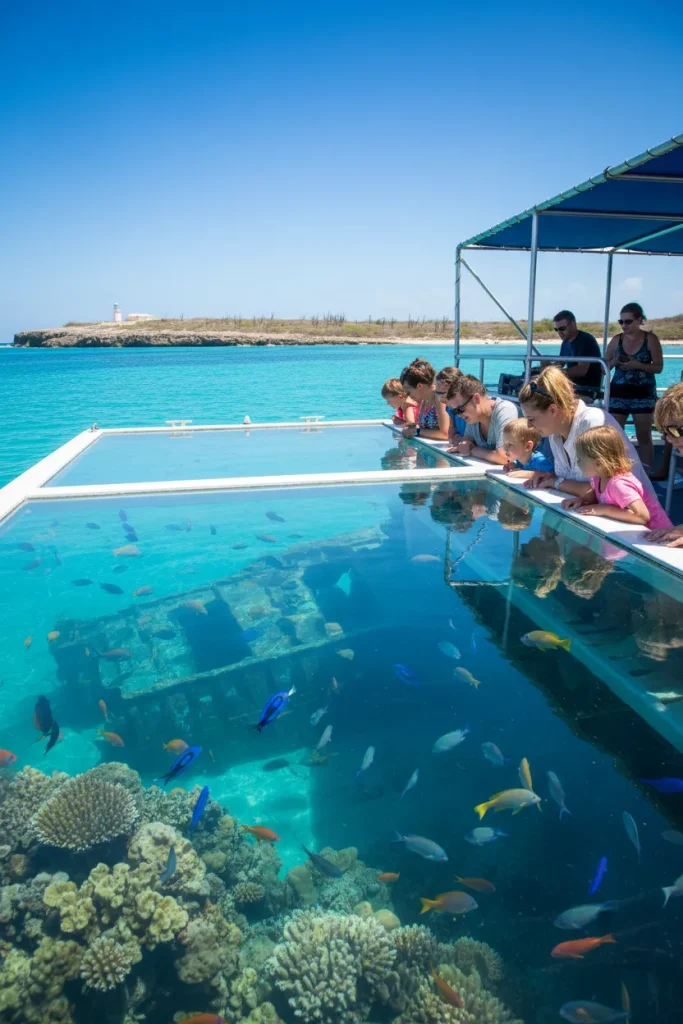
Glass-bottom boat tours that showcase marine life without swimming
Glass-bottom boat tours let you watch coral gardens and colorful fish from a shaded cabin or viewing windows. These trips often leave from Palm Beach or Oranjestad marinas and include brief narration about reef ecology and local species. You don’t need snorkeling gear or swimming skills to enjoy the views below the hull.
Sunset cruises with comfortable seating and safety measures
Sunset cruises are ideal for travelers who want a calm, scenic outing. Most trips focus on panoramic views and golden-hour light rather than water activities. Expect stable vessels, roomy seats, drink service, and clear sightlines so you can enjoy the horizon without standing for long stretches.
How operators accommodate non-swimmers — life jackets, seating, and protocols
Good operators provide life jackets in multiple sizes, non-slip decking, shaded areas, and sturdy handrails. Crews usually give a short safety briefing, point out emergency exits, and keep nervous guests near the center of the boat for a steadier ride.
- Ask about maximum passenger capacity and how far the boat travels from shore.
- Confirm whether restrooms are on board and if the crew has first-aid training.
- Request seating near handrails or the cabin interior if you prefer extra stability.
These boat alternatives for non-swimmers let families and solo travelers see reefs, spot sea life, and savor coastal sunsets while staying comfortable and dry.
Beach and Coastal Experiences That Don’t Require Getting Wet
The island’s shorelines offer more than swimming. You can enjoy wide sandy stretches, shady palapas, and lively beach bars while staying dry. These coastal options suit travelers who want sea views without deep-water exposure.
Relaxing at Eagle Beach and Palm Beach: beach amenities and shore activities
Eagle Beach is perfect for shell hunting, lounging on beach chairs, and watching colorful sunsets. The sand is soft and the shoreline is easy to enjoy on foot, so walking and light beach games feel simple and safe.
Palm Beach gives non-swimmers plenty to do on shore, from beach volleyball and shaded seating to snack vendors and fresh juices. Because many hotels line this stretch, restrooms, restaurants, and shaded spots are usually close by.
Snorkel-from-shore options and supervised shallow areas for nervous non-swimmers
Some shore-based snorkeling experiences start from the sand in calm, shallow areas. Look for guided sessions that supply flotation aids and keep you within knee- to chest-deep water.
Choose spots with lifeguards or operators who clearly mark supervised shallow areas. These setups work well for nervous non-swimmers who want to see fish without venturing far from shore.
Local dining and beach clubs for a full-day coastal experience
Start your day with Hadicurari breakfast favorites at a beachfront cafe that serves hearty plates and iced coffee. A good breakfast makes it easy to relax and plan a slow day along the coast.
Beach clubs offer poolside seating, music, and shaded lounges so you can spend an entire day seaside without getting wet. Visit multiple beachfront restaurants and bars along Palm Beach for variety and convenience.
- Reserve beach chairs during peak season to secure a shaded spot.
- Carry a dry bag for valuables when you stroll the shoreline.
- Ask restaurants about shaded outdoor seating near walkways for easy access.
Cultural, Food, and City Tours in Oranjestad and Beyond
Oranjestad invites curiosity. You can spend a day on easy, low-impact routes that showcase Dutch Caribbean facades, colonial landmarks, and the waterfront without ever going near deep water. These options suit non-swimmers who want city energy and cultural depth.
Walking tours of Oranjestad’s colorful architecture and historic sites
Join a guided stroll to see pastel buildings, Fort Zoutman, and small museums at a relaxed pace. Oranjestad walking tours often include photo stops, short history notes, and shaded breaks. Guides point out local stories and hidden details you might miss on your own.
Food tours highlighting local cuisine and guest-favorite spots like Hadicurari
Food tours take you from roadside stands to family-run eateries. Expect to try pastechi, keshi yena, fresh seafood, and other local bites served on land. Hadicurari is a popular breakfast stop where visitors often enjoy a Complete Breakfast before exploring.
Market visits and cultural experiences that are fully land-based
Local markets offer crafts, spices, and fresh produce that are ideal for gift shopping and tasting island flavors. Cultural tours may include music, dance demos, artisan meet-and-greets, and heritage sites that stay fully on land. These experiences let you connect with local life without water activities.
Practical tips: wear comfortable walking shoes, light clothing, and sun protection. Schedule tours in the morning or late afternoon to avoid midday heat. If you travel with a stroller or mobility aid, check accessibility in advance.
How to Pick the Best Tour for Your Travel Style
Choosing the right experience starts with one simple question: what do you want to feel at the end of the day? Relaxation, adventure, family fun, or a romantic memory will steer your choice. Read a few guest reviews to see which trips match the vibe you want.
Matching tours to preferences: relaxation, adventure, family-friendly, or romantic
If you want romance, pick a sunset cruise or a beachfront dinner where tables face the horizon and the pace feels unhurried. For relaxed discovery, try glass-bottom boat rides and cultural walking tours in Oranjestad to enjoy marine life and local color without getting wet.
Active travelers should look for ATV or 4×4 excursions and guided hikes in Arikok National Park for rugged scenery and natural arches. Families benefit from operators that advertise life jackets for kids, child seating, and clear safety protocols.
Safety and accessibility checklist for non-swimmers
- Confirm life jacket availability and sizes for adults and children.
- Ask about crew training, emergency procedures, and first-aid kits on board.
- Check shore-based restroom access and the physical exertion level of the activity.
- Request ADA accommodations if you or a travel companion need them.
- Note the distance from shore for boat tours and whether seating and shade are plentiful.
- Review refund and cancellation policies for weather or safety concerns.
Reading and evaluating guest reviews and real quotes to set expectations
Scan reviews for comments that mention safety, accessibility, and non-swimmer experiences. Look for lines like “we stayed dry and still saw sea turtles” or “the crew were attentive to those who didn’t want to enter the water.” These specifics tell you more than star ratings alone.
When booking, contact operators directly with concrete questions from your tour safety checklist. Choose smaller-group tours for personal attention and pick morning departures for calmer seas and cooler temperatures. Ask where life jackets are stored and how crew manage guests who prefer to stay on deck.
Conclusion
Aruba offers a rich set of options, so you don’t have to swim to enjoy the island. From land adventures in Arikok National Park to glass-bottom and sunset cruises, the best tours for non-swimmers let you take in scenery and marine life without getting wet. Eagle Beach and Palm Beach deliver easy, accessible beach days, while walking and food tours in Oranjestad bring local flavor and history to the table.
When planning, prioritize operators that list safety accommodations and clear protocols. Read guest reviews for practical details about accessibility and what to expect. Match tours to your travel mood — choose family-friendly outings, relaxed shoreline alternatives, or a guided hike for a bolder day — so your itinerary feels tailored and stress-free.
Embrace curiosity, but honor your comfort: sample a shore-based snorkel, take a glass-bottom ride, and sit down for a Hadicurari beachside meal to soak up local life without pressure to swim. For an easy plan, shortlist two or three experiences from this non-swimmer activities wrap-up — one land-based adventure, one shoreline boat alternative, and one cultural or food tour — to build a balanced trip that keeps you dry and delighted.