
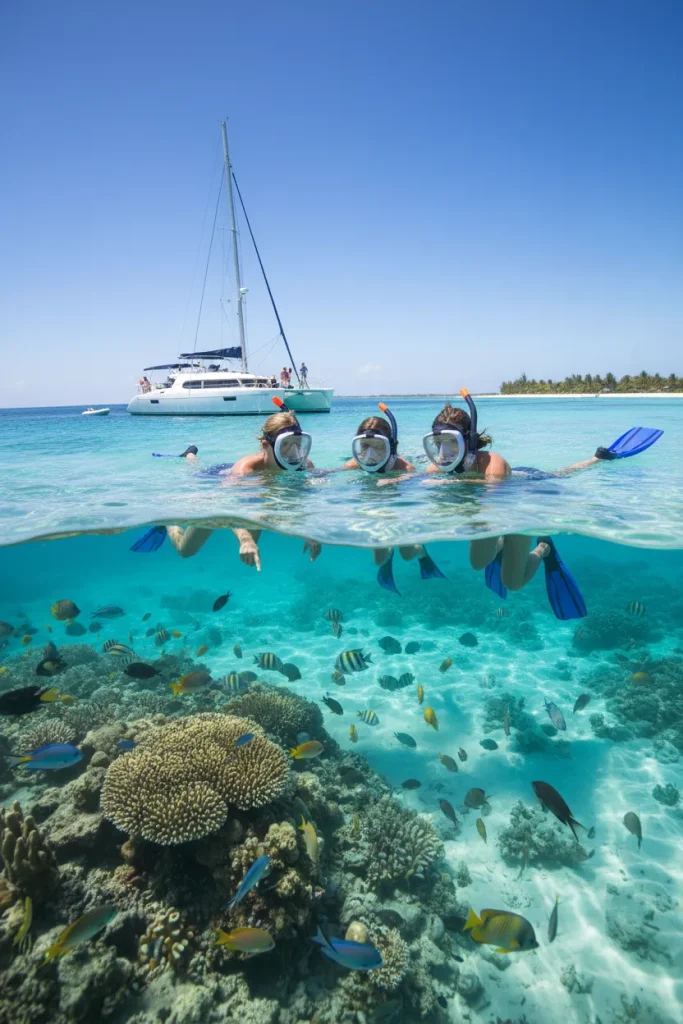
What are the best snorkeling tours in Aruba for clear water and easy reef stops? The best options are tours that visit calm, beginner-friendly spots like Boca Catalina, Malmok Reef, Baby Beach, and the Antilla Shipwreck while offering good gear, safety support, and guides who know where visibility is usually strongest.
Picture sunlight dancing on turquoise flats, easy reef stops where you can glide beside colorful parrotfish, and a captain who knows the calm coves like the back of their hand. This guide gives you the quick, practical take on choosing a snorkel trip that feels safe, scenic, and genuinely fun for families, couples, and solo travelers.
We’ll cover the must-see spots, typical tour formats, what’s usually included, and real guest tips so you arrive prepared. Expect names you’ll actually recognize — Malmok Reef, Boca Catalina, the Antilla Shipwreck, and Baby Beach — plus plainspoken advice about when to go and what to bring.
Guests say it best. “Crystal visibility and friendly guides,” noted traveler Sarah Johnson after a catamaran sail, while Marco Rivera told us, “My kids loved the shallow reef stops — safe and easy to get in.”
✅ Browse Aruba Tours On Viator
Planning what to do? Explore our Aruba Tours & Things to Do guide for tours, activities, and trip ideas.
Planning a trip to Aruba? Explore our Aruba Guides for hotels, tours, beaches, and travel tips.
Why Aruba Is Ideal For Snorkeling: Clear Water, Calm Seas, And Reef Variety
Aruba welcomes snorkelers with steady sunshine, easy reef access, and sea conditions that suit both beginners and more confident swimmers. You can expect comfortable water, reliable weather, and plenty of tour options, which makes planning a half-day or full-day boat trip simple.
Climate And Water Conditions That Favor Snorkeling Year-Round
Aruba stays warm most of the year, with daily air temperatures often in the low to mid-80s°F and water temperatures usually around 79–84°F. Trade winds are common, but many nearshore bays stay calm enough for relaxed reef stops.
Rainfall is low, and the island sits outside the main hurricane belt. Tour operators run trips year-round, though captains may shift routes or reschedule when sea conditions are rough.
Top Snorkeling Locations Commonly Visited On Tours
Tour itineraries usually mix shallow reefs, calm bays, and wreck sites so you see different underwater settings in one outing. Popular stops include Malmok Reef for close-to-shore coral, Boca Catalina for calm water, and the Antilla Shipwreck for a more dramatic wreck-snorkeling experience.
Other common stops include Spanish Lagoon, Catalina Bay, Mangel Halto, and Baby Beach. Many catamaran and powerboat trips combine reef swims with a visit to the Antilla, giving you a balanced day on the water.
Marine Life And Reef Features To Expect
Reefs around the island often bring sightings of parrotfish, angelfish, sergeant majors, trumpetfish, and other colorful reef fish. Turtle sightings are possible when conditions are right, especially near calmer reef and seagrass areas.
Coral formations range from shallow patch reefs to deeper ledges and wreck structures. Guides usually remind guests to avoid touching coral, chasing animals, or standing on reefs. That kind of respectful snorkeling helps protect the underwater places that make these tours so appealing.
Snorkeling Tours In Aruba
Aruba offers several ways to get in the water, from relaxed morning sails to private charters for special occasions. You’ll find options for families, solo travelers, couples, and groups who want a mix of reef time, boat comfort, and island views.
Typical Tour Formats And What They Include
Half-day catamaran sails are among the most popular choices. These trips usually stop at reefs and wrecks, giving guests time to swim, float, and watch marine life without feeling rushed.
Powerboat tours can cover multiple reef stops in a shorter window, which works well if you want variety and a faster pace. Beach-hopping tours often focus on calm, shallow areas like Mangel Halto and Baby Beach, which are strong options for kids and newer snorkelers.
A private snorkeling charter gives you the most flexibility. You can set the pace, choose specific reef stops, avoid bigger groups, or add sunset time if you want a more personal experience. Some operators also offer combined land-and-sea trips that pair snorkeling with sightseeing.
Inclusions: Gear, Food, And Safety
Most operators provide sanitized masks, snorkels, fins, and snorkel vests. Better tours take time to fit masks properly, which makes a big difference if you are new to snorkeling or traveling with kids.
Guides usually give a short lesson and safety briefing before guests enter the water. Many boats also offer shaded seating, restrooms, chilled water, light snacks, and sometimes alcoholic and nonalcoholic drinks.
Longer catamaran trips may include lunch or a full open-bar setup. Life jackets are standard, and guides often stay in the water to support beginners and help families feel more confident.
Logistics: Meeting Point, Transportation, And Accessibility
Many marine departures leave from Pelican Pier near Palm Beach, behind the Holiday Inn Resort on J.E. Irausquin Boulevard. Plan to arrive about 30 minutes early for check-in, gear fitting, and boarding.
Some land-and-sea combo tours include hotel pickup, but many boat-based trips require you to meet at the pier. Bookings are usually available online, by WhatsApp, by email, or through hotel concierge desks.
Private trips usually need more advance notice, especially for honeymoons, birthdays, family groups, or small weddings. Cancellation policies often allow full refunds when you cancel far enough ahead, while unsafe sea conditions usually lead to a reschedule or refund.
How To Choose The Best Tour For Clear Water And Easy Reef Stops
Picking the right trip makes the difference between a dreamy reef swim and a stressful outing. Start by thinking about your group’s comfort level, swimming ability, and how much time you want on the boat.
Match Tour Style To Your Group
For families, look for trips that visit shallow bays like Boca Catalina, Baby Beach, Spanish Lagoon, or Mangel Halto. These tours usually offer snorkel vests, kid-sized masks, and short lessons that make the experience easier for nervous swimmers.
For beginners, choose a tour with mandatory snorkel jackets and an in-water guide who stays nearby. Non-swimmers can often remain on board and enjoy the scenery while others snorkel.
If you want more adventure, choose a small-group or private charter that targets the Antilla Shipwreck, deeper reef sites, or multiple stops in one trip. Private tours also work well for celebrations because you can control the pace and route.
When To Go And How Sea Conditions Affect Reef Stops
Snorkeling is possible year-round, but timing still matters. Morning departures often bring calmer seas, softer light, and better visibility. Peak season from December through April can be busier, while shoulder months may feel easier and less crowded.
Captains adjust routes based on wind, current, and visibility. If one reef is choppy, they may move to a calmer bay or keep guests on board for safety. That flexibility is a good sign, not a downside.
What To Bring And What To Wear
Wear your swimsuit under light clothing and bring non-slip sandals or water shoes. A hat, sunglasses, and a towel are also useful for boat time.
Pack reef-safe sunscreen, a reusable water bottle, a waterproof phone case, and a dry bag for valuables. If you prefer your own mask or fins, bring them, but operators usually provide gear.
Follow the basic reef rules: don’t touch coral, don’t stand on reefs, give turtles space, and listen to your guide. A small tip is also appreciated if the crew gives excellent service.
Real Guest Quotes And On-Tour Experiences
Guest feedback often gives the clearest picture of what a snorkel trip actually feels like. Reviews tend to focus on visibility, guide support, reef stops, and how easy the experience felt for families or first-timers.
Guest Impressions Of Water Clarity And Reef Wildlife
Visitors frequently describe the water at Malmok, Boca Catalina, and Baby Beach as clear and calm. Many mention waist-to-chest-depth reef stops, which make the experience feel less intimidating.
Turtle sightings appear often in guest feedback, though they are never guaranteed. Travelers usually praise guides who explain how to stay calm, keep distance, and avoid stressing wildlife.
Morning departures also get strong feedback because the water is often smoother and visibility can be better before the wind picks up.
Feedback On Safety, Guides, And Inclusions
Guests often mention that a short safety briefing helped them relax before entering the water. Beginners especially appreciate guides who stay nearby and explain how to float, breathe, and clear a mask.
Families tend to praise operators that provide clean gear, child-sized equipment, snorkel vests, and patient staff. Onboard comforts like shade, restrooms, chilled water, snacks, and drinks also make a big difference.
Adult groups often enjoy the more social catamaran sails, especially when drinks, music, and a relaxed deck atmosphere are included.
Tips From Guests That Helped Their Trip
- Arrive at Pelican Pier about 30 minutes early to avoid check-in stress.
- Book a morning tour for calmer seas and clearer photos.
- Bring reef-safe sunscreen and a waterproof phone case.
- Choose sheltered stops like Boca Catalina or Spanish Lagoon if you are worried about motion or currents.
- Consider a private charter for young children, nervous swimmers, or special occasions.
- Tell the operator about dietary needs when booking, especially on longer trips with meals.
These firsthand notes are helpful when comparing tours. The best choice is not always the longest or flashiest option — it is the one that matches your group’s comfort level and gives you easy access to clear water.
Conclusion
Aruba delivers warm, clear water and a strong mix of beginner-friendly reef stops, calm bays, and a few exciting wreck sites. If you want the easiest experience, choose a morning tour, prioritize sheltered stops, and book with an operator that provides quality gear, snorkel vests, and clear instruction.
A simple packing list helps: reef-safe sunscreen, swimsuit, water shoes, towel, reusable bottle, waterproof phone case, and ID for check-in. Arrive early, listen to the crew, and let your operator know about any dietary, mobility, or swimming concerns ahead of time.
Wildlife sightings like turtles, rays, and colorful reef fish are part of the magic, but they are never guaranteed. With respectful snorkeling and the right tour choice, you’ll give yourself the best chance of enjoying Aruba’s clear reefs, calm water, and easy island beauty.