
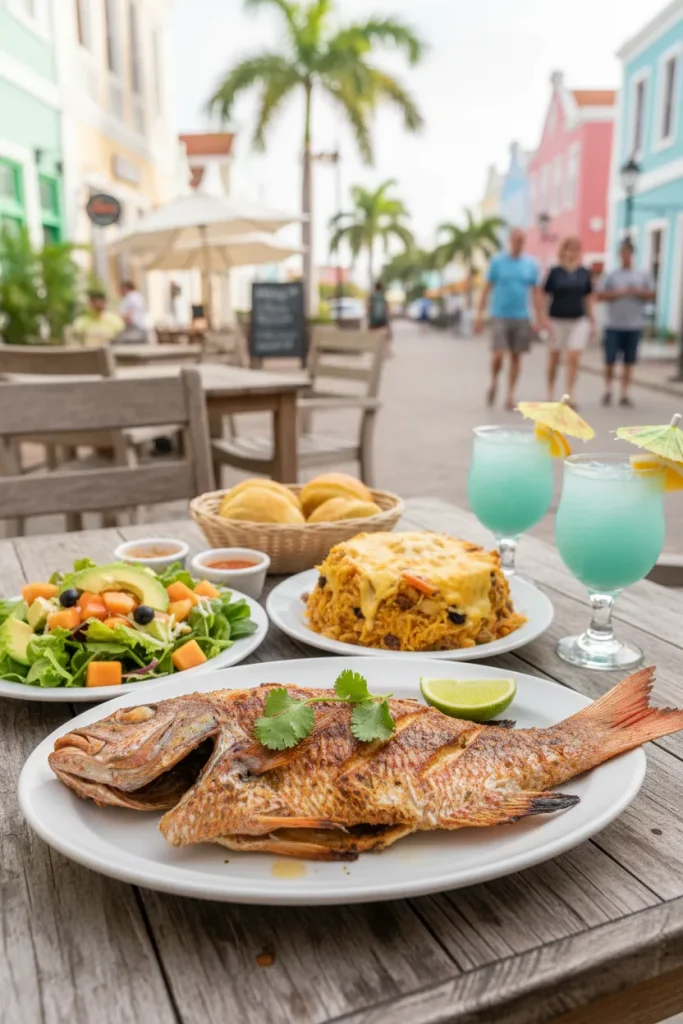
Trying to decide whether you should book a food tour in Aruba or just explore Aruba restaurants on your own? The best choice depends on your travel style: an Aruba food tour is usually better if you want local insight, planned tastings, and less guesswork, while solo restaurant hopping makes more sense if you want full flexibility and your own pace.
Aruba’s warm weather and easygoing dining scene make both options work well. Eating outdoors is easy year-round, and the island’s mix of cultures shows up clearly in local menus, markets, and casual food stops.
Guests mention clear reasons for choosing one path over the other. “The guide took us straight to Pelican Nest Seafood Grill for fresh mahi-mahi — we’d never have found that pier spot,” says travel writer Samantha Brown. Meanwhile, family traveler Marcus Erickson told me, “We loved drifting between cafés on Eagle Beach at our own pace; the kids could nap when needed.”
✅ Browse Aruba Tours On Viator
Planning what to do? Explore our Aruba Tours & Things to Do guide for tours, activities, and trip ideas.
Planning a trip to Aruba? Explore our Aruba Guides for hotels, tours, beaches, and travel tips.
Why Travelers Ask “Aruba Food Tour Worth It?” — Quick summary of pros and cons
Thinking about an Aruba tasting tour? Many travelers ask if a guided route saves time, money, or hassle. Below is a tight overview that lays out what to expect so you can compare options without digging through dozens of reviews.
What an Aruba food tour typically includes
Most guided walks and drivers stop at small local eateries for tastings of keshi yena, pastechi, pan bati, and fresh seafood. Guides share short stories about recipes, culture, and market life. You usually get a clear list of Aruba food tour inclusions up front: food samples, some beverages, water refills, and meeting point or pickup details. Some operators arrange chef intros or private options for families and special events.
Common benefits: curated local bites, storytelling, easy logistics
Curated stops mean you skip tourist traps and try places locals recommend. Guides add context that turns a plate into a story about migration, fishing, or island produce. For visitors pressed for time, an Aruba tasting tour bundles tastings, timing, and simple logistics so you can focus on flavors rather than routes.
Common drawbacks: cost, fixed schedule, less freedom to linger
Tours cost more than piecing together meals on your own. Public groups follow set schedules and meeting points, which limits spontaneous detours or extra time at a favorite cafe. Private tours fix that but raise the price. Check cancellation windows and age or accessibility rules before you commit.
To weigh pros and cons food tour Aruba, think about what you value most: local stories and a fast orientation, or flexibility and lower per-meal cost. The right choice depends on your travel pace and how much you want a guide to steer the experience.
Who should book a guided Aruba food tour — traveler profiles best served by a tour
Choosing between guided tastings and DIY nights depends on how you like to travel. A guided Aruba food tour can save time, add context, and open doors to local spots you might not find on your own. Read on to see which traveler profiles benefit most.
First-time visitors who want a fast cultural orientation
If this is your first trip to Aruba, a guided tasting Aruba experience gives a quick primer on island flavors and neighborhoods. Guides explain cultural influences from the Caribbean, Dutch, and Latin traditions while pointing out where Palm Beach, Eagle Beach, and Oranjestad feel different.
Food-first travelers who want guided tastings of keshi yena, pastechi, and seafood
When your priority is tasting authentic dishes like keshi yena, pastechi, pan bati, and fresh fish, tours connect you with trusted vendors and restaurants. A guide helps you sample classic preparations, suggests pairings such as Balashi beer, and highlights subtle differences in recipes from family-run kitchens.
Travelers short on time who prefer transportation and logistics handled
If you have only a day or two to explore between resort time and excursions, a guided tour streamlines the route and handles pickups or meeting points. That efficiency lets you hit several quality stops without wasting time hunting for parking or hailing taxis.
Guests who value local stories and insider access (guides, chef intros)
Some travelers want more than tastes; they want context. Guides often arrange brief chef intros, visits to neighborhood snack stands, and stories about how dishes evolved. That insider access appeals to families, solo travelers, and anyone who enjoys cultural depth alongside their meal.
- Who should take Aruba food tour: first-timers, food-focused visitors, and time-compressed travelers.
- Best travelers for food tours Aruba: those who value local stories, efficient logistics, and authentic vendor access.
- Guided tasting Aruba: ideal when you want curated bites, background on recipes, and trusted recommendations.
Who should explore Aruba restaurants on your own — traveler profiles for DIY dining
Choosing Aruba DIY dining fits travelers who like to set their own pace. You can wander Palm Beach and Eagle Beach, follow a sunset, and stop where your appetite leads.
Independent diners who love wandering Palm Beach and Eagle Beach neighborhoods
If you enjoy aimless strolls and surprise finds, Aruba restaurants on your own let you sample beach bars and shoreline spots like Pelican Nest Seafood Grill or the Pelican Pier Bar. Walkability means you can linger for a drink, grab a table with an ocean view, and change plans on a whim.
Families or slow-paced travelers who want flexible timing and kid-friendly choices
Traveling with kids, naps, and pool time often clashes with fixed tour schedules. Self guided food Aruba lets you eat when the family is ready, pick menus that suit picky eaters, and take breaks between activities without watching the clock.
Budget-minded travelers who prefer picking cheaper local diners or street snacks
When you go solo you control how much you spend. You can mix a splurge dinner on the pier with inexpensive bites like pastechi from a local stand. Public buses and careful route planning help keep costs down, since taxis use zone pricing that can add up.
Practical tip: staying at remote resorts like Secrets Baby Beach means transfers or resort shuttles for town nights. If you prefer self guided evenings, budget for taxi or shuttle costs or consider a rental car to make Aruba DIY dining more convenient.
What to know before you book an Aruba food tour — practical logistics and expectations
Planning makes the difference between a smooth outing and a scrambling day on the island. Read these practical notes so you know what to expect when you reserve a tastings route or a culinary walking experience in Aruba.
Booking and cancellation policies
- Many operators ask for at least 72 hours’ notice for a full refund. Cancellations inside that window, and no‑shows, are commonly nonrefundable.
- Rescheduling is often allowed without a fee when space is available. Refunds may take 3–5 business days to process through your bank.
- Tours usually run rain or shine and will only cancel for unsafe conditions. If a tour is canceled by the operator, expect either a reschedule or a full refund.
Meeting points and transportation notes
- Marine departures and some coastal tastings meet at the Pelican Pier meeting point, located behind the Holiday Inn Resort on J.E. Irausquin Blvd. Arrive at least 30 minutes early for boarding and check‑in.
- Land tours commonly confirm round‑trip hotel pickup from major Palm Beach and Eagle Beach properties after booking. Pickup details vary by operator.
- If you stay at a remote resort like Secrets Baby Beach, expect extra transfer time or resort‑arranged transport to downtown meeting locations.
Dietary accommodations
- Reputable operators accommodate vegetarian, vegan, and gluten‑free requests when informed at booking. Note restrictions in the tour description before you pay.
- For serious allergies, contact the operator in advance to confirm whether local vendors can confidently meet safety needs.
- Check whether tastings include drinks, snacks, or full plates so you know if you should plan an extra meal later.
Group size and private tour options
- Shared tours use group vehicles to create a social vibe. Ask about maximum group size and whether tastings are plated individually.
- Private tours are available for families, couples, or events for an added fee and a more personalized pace.
- Confirm accessibility requirements ahead of time. Many experiences involve short walks, uneven surfaces, or independent boarding that may not suit all mobility needs.
Operational and eco notes
- Operators often follow reef‑friendly and low‑waste practices, such as refillable water jugs and sustainable dining suggestions.
- Most accept credit cards and cash. Verify payment methods and the location of the operator’s main office or hotel activity desk before arrival.
- Use these Aruba tour booking tips to compare policies, confirm pickup points, and set realistic timing so your culinary day unfolds with fewer surprises.
How Aruba’s geography and dining scene affect your choice
Aruba’s compact size makes location a key factor in planning meals. If you base yourself near the hotel strip, you can walk between options and sample many spots in one evening.
Palm Beach restaurants Aruba cluster within easy strolls, so DIY hopping feels natural. You can pause for a cocktail, try local snacks, and pop into a waterfront spot without worrying about rides. That walkability suits travelers who like to explore on foot and change plans on the fly.
Remote resorts sit on the island’s fringes and often need a transfer for nights out. If you are at a southeast property, group shuttles or taxis become part of the plan. A guided food tour that includes transport can remove friction and let you focus on tasting rather than timing.
Timing your meals matters because of Aruba’s climate and crowds. Midday heat calls for shaded lunch venues or beachside spots where a dip cools you down. Evening breezes make sunset dinners more pleasant and photo-friendly.
Peak season brings busier tables, especially at popular pier restaurants. Booking ahead is smart when you want a sunset view or a table at a well-known spot. This planning helps avoid long waits during December through April.
Shoreline dining highlights Aruba’s fresh seafood and relaxed vibe. Pier establishments often serve daily catch and simple grilled preparations that taste of the sea.
Pelican Nest Seafood Grill Aruba sits right on the water and is a classic example of a pier restaurant where the menu, the view, and the timing all matter. If seafood and an oceanfront table top your list, reserve prime seating or arrive early to enjoy the bar and the breeze.
Tour itineraries sometimes include a seafood stop, while self-led nights let you explore the full menu at your pace. Choose guided options when you want logistics handled, and pick DIY evenings when you want to linger over courses and views.
- Consider transfers if staying at a remote resort; travel time can affect dinner plans.
- Match meal times to temperature and wind: lunch for shade, dinner for sunsets.
- Pick pier restaurants for seafood freshness and scenery, and reserve during peak season.
Cost comparison and time investment: food tour vs. solo restaurant hopping
Deciding between a guided tasting night and wandering the island on your own comes down to money and minutes. Below we break down what typically goes into price tags and what you trade for convenience or freedom, so you can set a realistic Aruba dining budget before you go.
Typical tour pricing considerations
Group food tours often list a per‑person price that covers tastings at several stops, nonalcoholic drinks, guide fees, and local taxes. Some operators add alcohol or private‑tour supplements for an extra charge. Gratuities for guides are customary and usually not included in the sticker price. Cancellation windows vary; many tours offer full refunds if you cancel 72 hours ahead, which can protect your wallet when plans shift.
Estimating solo costs
Dining independently means paying per dish and per drink, so three to five small plates across different spots can equal a guided evening. Factor in transportation: taxis use zone pricing, while private transfers from remote resorts or airport runs can range high. Public buses like Arubus offer a budget alternative for routes between Oranjestad, Palm Beach, and Eagle Beach. Don’t forget potential reservation fees, resort transfer charges, and standard tips of 10–15% in many restaurants.
Time trade-offs
Guided routes are efficient. A well‑planned tour squeezes more tastings into less time and removes the hassle of finding tables or coordinating rides, which matters on short stays or full days of activities. DIY nights let you linger, reorder, and chase a suddenly recommended café, but expect extra minutes for walking, waiting, and travel between neighborhoods.
Quick checklist to compare value
- Compare the per‑person tour price against a tally of three to five solo meals plus transport and tips to estimate true cost.
- Ask if the tour includes exclusive stops or chef meet‑and‑greets that are hard to access on your own.
- Think about timing: will a guided evening free up time for snorkeling, jeep tours, or resort activities?
- If your Aruba dining budget is tight, map public transit options and pick a few neighborhood restaurants to minimize taxi rides.
When you run the numbers—Aruba food tour cost versus restaurant hopping Aruba cost—you’ll see which style fits your pace. For some travelers the simplicity and curated stops justify the price. For others, slow nights of exploration deliver better value and memorable discoveries.
Guest quotes and real experiences: what travelers say after touring or dining solo
People who travel to Aruba often share clear impressions about tasting the island. Readable Aruba food tour reviews and traveler quotes Aruba dining give a snapshot of what works for different travelers. Below are short, real-world reflections that highlight guided tasting testimonials and DIY discoveries.
Guided tour fans
“The guide introduced us to keshi yena at a family kitchen and explained its history. We tasted samples we never would have found on our own.”
“Small-group safety and a planned route let us relax. The guide handled timing, so we focused on flavors.”
“I appreciated the convenience of pickup from my resort and clear notes on where to meet. It felt efficient and authentic.”
DIY night lovers
“Wandering Oranjestad after dinner led to a tiny café with fresh seafood and no menu online. That surprise was the highlight.”
“Our family mixed cheap street snacks with a sunset dinner on Pelican Pier. Kids loved the pastechi and we saved money for one splurge.”
“We enjoyed the freedom to linger at a beachside cafe and return to the same spot the next night. No schedule felt freeing.”
Mixed approach endorsements
“We took one guided tasting early in our week, then used those tips to explore on our own. It gave confidence without losing flexibility.”
“Tour guides pointed out local markets and a seafood shack worth a later visit. The combo of one tour plus DIY nights worked best for us.”
“If you stay at a remote resort, book a tour with pickup. It solves logistics and leaves evenings free for casual wandering.”
Practical tips from guests
- Arrive early to meeting points like Pelican Pier to avoid delays.
- Confirm dietary needs when booking to ensure vegetarian or gluten-free options.
- Book ahead for December–April, since tours and restaurants fill quickly during peak season.
These brief snippets draw on Aruba food tour reviews, traveler quotes Aruba dining, and guided tasting testimonials to give a balanced look at how people remember their meals. Use them to decide whether a guided night, a self-led stroll, or a mix fits your trip style.
Conclusion
Deciding if an Aruba Food Tour Worth It depends on how you like to travel. If you want efficient tasting stops, local context from guides, and logistics handled, a guided tour delivers value—especially for first-time visitors, short stays, or guests at remote resorts. For those based in Palm Beach or Eagle Beach, or traveling with family, exploring restaurants on your own often gives more freedom and can stretch your budget further.
Before you book, use a simple checklist: review cancellation and reschedule rules (many operators use a 72-hour window), confirm meeting points like Pelican Pier or hotel pickup, request dietary accommodations in advance, and compare what the tour includes versus likely solo costs for transport, tastings, and tips. Timing matters too—peak season and island heat influence where you’ll want to eat and how long you linger.
Our final verdict Aruba food tours? Try one guided experience to gain insider tips and context, then follow your curiosity on self-led nights. Food travel Aruba rewards both approaches: guided tastings build a foundation of local knowledge, while solo wandering reveals hidden cafés, pier grills such as Pelican Nest Seafood Grill, and family snack stands that make the island memorable.
If you want help choosing a tour or mapping a self-guided route through Oranjestad and Palm Beach, we can share practical tips and local insights to make your culinary adventure feel like discovery. Embrace the explorer in you and let one good tour open the door to many more nights of authentic island dining.