
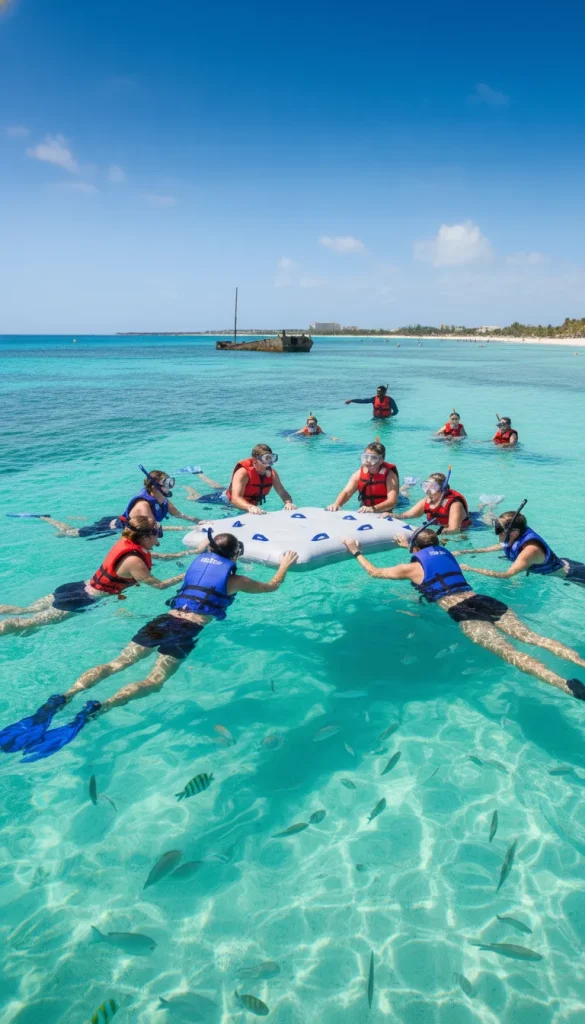
Wondering if an Aruba snorkeling tour is the easiest way to try snorkeling? For many travelers, yes — especially if you want equipment, guidance, and boat access to better spots all handled for you. That is why boat snorkeling Aruba can be a smart choice for beginners, families, and nervous swimmers who want a more supported experience.
If the idea of floating over coral makes your stomach flip, you are not alone. This guide helps you figure out whether boat snorkeling Aruba is a smart, safe option for your trip or whether shore snorkeling or SNUBA might suit you better.
We’ll walk through Aruba snorkeling for beginners, Aruba snorkeling safety, and what family snorkeling Aruba looks like in real life. Expect short, practical advice on common tour formats, what operators usually provide, and the key questions to ask before you book so you know exactly what tradeoffs you are making.
Guests say it clearly. Samantha Brown said “The guides kept everyone calm and the flotation gear made all the difference.” On TripAdvisor, a family from Ohio wrote, Our kids loved the shallow reef stop — felt safe and relaxed the whole time.
✅ Browse Aruba Tours On Viator
Planning what to do? Explore our Aruba Tours & Things to Do guide for tours, activities, and trip ideas.
Planning a trip to Aruba? Explore our Aruba Guides for hotels, tours, beaches, and travel tips.
What to expect on Aruba snorkeling tours: typical itineraries and safety features
Set expectations before you step aboard so the day feels relaxed and safe. Tours range from quick half-day runs to longer private sails, with itineraries shaped by wind, tides, and guest ability. Knowing the usual flow helps you pick the right option for your skill level and comfort.
Common tour formats and durations
Most group options are half-day trips that last about three to four hours. These include a pickup at a marina or public dock, a short transit to sheltered reef spots, and two to three snorkeling stops with 20–60 minute swims.
Full-day and private charters run longer. Private sails often span six hours or more, with sample schedules like a 9:00 AM to 3:00 PM cruise that mixes snorkeling, sun time, and optional dives. Early morning departures usually offer calmer water and better visibility.
Safety equipment and provisions provided
Good operators supply life jackets and flotation aids for every guest, plus snorkel masks and fins when needed. Boats typically carry first aid kits and may have a marine head on larger vessels. Check Aruba snorkel provisions ahead of time so you know whether water, soft drinks, beer, or plated bites are included or sold as upgrades.
Pay attention to Aruba snorkel boat safety briefings at the start. Crew will cover entry and exit, buddy systems, and how long each stop will be so you can plan rest breaks between swims.
Onboard staffing and guest support
Expect a licensed captain and at least one crew member or guide on group boats. Crew help fit gear, lead small snorkeling groups, and keep watch for weaker swimmers. Private charters add personalized attention from a captain and mate who adjust routes and timing to match your pace.
Some resorts and operators include PADI-certified staff for guided shallow dives or SNUBA sessions. Ask directly about staffing during booking if you want certified instruction or extra hands-in-water support.
Aruba Snorkeling Tour Worth It
Deciding whether an Aruba snorkeling tour is worth booking comes down to practical trade-offs. Think about safety provisions, guide attention, site quality, group size, comfort on the water, and what the price actually includes. For non-strong swimmers these factors shape snorkeling value Aruba more than hype or photos.
How to judge value for non-strong swimmers
Start by checking safety gear and staff ratios. Tours that provide life jackets, flotation belts, and active guide supervision score higher for nervous swimmers.
Look at the itinerary. Sheltered reefs, shallow drop-offs, and calm-water windows increase the chance you’ll feel secure. Private charters and smaller boats usually let crews customize routes to suit weaker swimmers.
Factor in inclusions. If a trip covers masks, fins, drinks, and easy boarding, the upfront cost can deliver better snorkeling value Aruba than a cheaper option that leaves you renting gear or struggling with entry.
Scenarios where tours deliver strong value
- Guided water time with attentive staff who monitor and assist weaker swimmers.
- Access to multiple reef sites without the hassle of finding safe shore entries or reading currents yourself.
- Family trips or mixed-ability groups that benefit from structured support and kid-friendly equipment.
- Travelers who want comfort and extras—shade, snacks, and an attentive crew—often find private or premium boats worth the premium.
When a tour may not be worth it
A large group with a low staff-to-guest ratio can leave weaker swimmers without needed one-on-one help. That reduces overall value and raises safety concerns.
If your date falls during rough conditions and the operator can’t promise sheltered stops, the discomfort and risk may outweigh any marine views. Ask about alternate dates or private options.
When budget limits you, shore snorkeling in spots like Baby Beach or resort-guided shallow tours can deliver similar marine sightings at lower cost. Red flags include no flotation aids, poor boarding access, or skimpy safety briefings.
Who this tour is best for: traveler profiles and ability levels
Aruba snorkeling suitability depends on what you want from the day. Tours work best when you care about easy access to reefs, steady crew support, and built-in safety gear. Read on to see which travelers get the most from a guided trip and when a shore-based option might be smarter.
Good fit: casual snorkelers and nervous swimmers
If you want a relaxed way to see marine life without managing currents or navigation, guided tours shine. Casual snorkelers enjoy short, sheltered stops and clear briefings that make the underwater world feel reachable.
Nervous swimmers benefit from flotation aids, close guide supervision, and the option to book private charters that slow the pace. Many operators tailor stops and rest periods, showing exactly why snorkeling for nervous swimmers Aruba is a practical choice.
Families with kids find tours convenient when operators provide kid-size masks and life jackets. Resorts such as Beaches and similar programs often include supervised sessions that help beginners build confidence.
Travelers who prize scenery and comfort like sailing or catamaran options. These combine steady cruising, snacks, and short swim intervals for people who prefer balance between relaxation and exploration.
When to consider alternatives
Choose shore snorkeling when you need minimal transfers and the calmest, shallow water. Protected beaches and marine parks limit boat time and let you enter at your own pace.
If you require breathing support beyond a snorkel but don’t want scuba certification, SNUBA or resort shallow-tours offer assisted breathing at controlled depths. These options address personal comfort while keeping you close to the reef.
For mobility or medical needs, seek operators that advertise accessible tours or book a private charter to adapt boarding, timing, and crew support to your condition.
Examples from guest experiences
- One TripAdvisor review praised a six-hour private sailing day that allowed multiple short snorkel stops, custom pacing, and attentive crew help. The guests highlighted smooth handling in rougher winds and the captain’s willingness to adjust plans for comfort.
- Resort guests at family-oriented properties reported that included guided sessions and on-site gear made their first snorkel days less stressful and more fun for kids and hesitant adults.
- Other visitors who needed very shallow water steered toward Arikok National Park shore sites and coral-protected coves, finding these spots better suited to complete beginners than open-boat itineraries.
What to know before you book: pre-trip questions and booking tips
Before you click reserve, take a few minutes to ask practical questions and line up expectations. Clear answers make the day easier for nervous swimmers and families. Use these Aruba snorkeling booking tips to pick a tour that matches your comfort level and schedule.
Ask the operator about safety and on-water support
- What is the crew-to-guest ratio and how many guides monitor snorkelers in the water? Smaller groups mean closer supervision.
- Are life jackets, flotation belts, or buoyancy aids provided in multiple sizes? Confirm availability for children and larger adults.
- Are crew members PADI-certified or trained in water rescue and first aid? Is there a first aid kit and an AED on board?
- Do you offer private charters or small-group departures tailored to nervous swimmers?
- Can the crew adjust the itinerary to favor shallow, sheltered sites and schedule regular rest breaks?
Check itinerary details and weather, plus cancellation rules
- Confirm the meeting point, dock facilities, parking and restroom options, and whether pickup is offered from major hotels.
- Ask about timing. Early morning departures often mean calmer seas and better visibility.
- Clarify the snorkeling cancellation policy Aruba operators use: what counts as weather cancellation, minimum passenger rules, and refund or rescheduling terms.
- Verify what’s included versus optional: snorkel gear, towels, food, drinks, and extra charges for add-ons like guided dives or upgraded menus.
Consider gear, medical and mobility needs
- Bring your own mask and snorkel if fit matters to you. Rental gear varies in size and sanitation practices.
- If you get seasick, pack medication such as meclizine and ask the operator when to take a dose before departure.
- Declare medical conditions like heart issues, recent surgeries, or breathing problems. Ask how staff handle emergencies.
- If you have limited mobility, ask about boarding assistance, ladder access, and whether private charters offer easier transfers.
- For scuba options, confirm whether you must supply personal dive gear and whether dive staff will accompany or supervise dives.
When you call or message, have a short list of what to ask snorkeling operator Aruba so nothing gets missed. These quick checks cut stress on the day and help you choose the right departure, whether you want a calm family outing or a guided experience for less confident swimmers.
Top safety tips for non-strong swimmers on Aruba snorkeling tours
If you worry about the water, you’re not alone. A few simple precautions make snorkel trips relaxing and fun. Focus on comfort, not performance, and you’ll see more sea life while feeling safe.
Use flotation aids and stay with the guide
Always ask for a life jacket or snorkel vest in your size and try it on before you enter the water. Flotation aids snorkeling Aruba include vests, belts, and noodles that cut fatigue and ease breathing for nervous swimmers.
Keep within sight and arm’s reach of your guide or a confident partner. Guides often anchor in shallow spots so you can float and view reefs without fighting current. If the boat supplies flotation belts, use them; they reduce panic and let you relax.
Choose calm-water times and sheltered sites
Book an early-morning tour when winds are lower and visibility is best. Captains usually pick protected bays or reef rings to minimize chop and make snorkeling more stable.
Avoid outings on windy days. If the captain warns of rough conditions, ask to reschedule or switch to a shore-based option. Picking calm water is one of the clearest Aruba snorkeling safety moves you can make.
Practice basic snorkel skills before the trip
Spend time in a pool or shallow shore break practicing breathing through the snorkel, clearing your mask, and using fins. Short, focused practice builds the muscle memory that turns nerves into ease.
Learn to float on your back and use a snorkel vest so you can rest while still watching marine life. Try a guided resort session or a SNUBA intro to gain instructor support before an open-boat outing; these are common snorkeling tips for beginners that boost confidence quickly.
Alternatives and add-ons: options if snorkeling from a boat feels risky
If boarding a boat feels uneasy, you have practical alternatives that keep you close to Aruba’s reefs and marine life without long swims or deep water exposure. These options suit families, nervous swimmers, and anyone looking for a gentler way to explore below the surface.
Shore snorkeling and reef parks
Choose Aruba shore snorkeling at protected beaches and marked marine parks where you can step in from sand and stay in waist- to chest-deep water. Calmer bays and reef flats reduce current risks and make it easier to rest on a float or return to shore quickly.
Look for sites with lifeguards, rental gear on the beach, and clear entry points. These spots work well for kids, first-timers, and groups with mixed abilities.
SNUBA, resort snorkeling and guided shallow tours
SNUBA Aruba offers a middle ground between snorkeling and scuba. You breathe from a surface-supplied regulator while staying at shallow depths, letting you enjoy longer underwater time with instructor support and no certification needed.
Many resorts run guided shallow tours and supervised shore sessions. These programs include gear, short briefings, and an instructor nearby so you can practice skills in calm water before venturing further.
Private charters or specialized accessible tours
An Aruba private snorkel charter gives you control over pace, sites, and timing. Private boats let guides pick sheltered micro-sites and focus on individual comfort, which is ideal for mobility needs or nervous swimmers.
Search for operators offering accessible snorkeling Aruba or adaptive services. They may provide easier boarding, additional crew assistance, and tailored itineraries that keep everyone safe and engaged.
- Tip: For mixed-ability groups, a private charter or guided shore session often reduces stress and improves the experience for parents and kids.
- Tip: Ask about water depth and entry options when booking SNUBA Aruba or shore tours so you get clear expectations.
Guest quotes and real experiences: what past participants say
Readers often turn to Aruba snorkel reviews and snorkeling guest experiences to picture what a day on the water feels like. Below are real patterns from guest feedback that help set expectations before you book. The highlights and common pitfalls come from platforms like TripAdvisor and resort forums, filtered into practical takeaways.
Positive guest story: private charter that catered to comfort
A couple praised a six-hour private sailing trip on a 45-foot catamaran for its roomy, well-kept layout and an attentive crew that adapted the route to guest wishes. The captain and mate answered questions, offered snorkel gear, and served drinks with an optional multi-course food upgrade. The guests noted clear prearrival communication and said the private charter review Aruba made the cost feel worthwhile despite choppy wind later in the day; motion remedies helped those prone to seasickness.
Common praise themes from Caribbean snorkeling/diving guests
- Personal attention on private charters and smaller boats, where crew adjust pace and sites for comfort.
- Helpful, knowledgeable staff who point out marine life and safety tips during guided sessions.
- Calm, clear water at sheltered sites that makes reef viewing easy for casual snorkelers.
- Resort programs that include gear, instruction, and family-friendly scheduling.
- Early departures for smoother seas and better visibility, with food and drinks as a welcome value add.
Typical complaints to watch for
- Overcrowded boats and not enough crew, which can leave weaker swimmers under-supervised.
- Poorly fitting or worn snorkel equipment, prompting many guests to bring their own mask and fins.
- Unexpected fees for items guests assumed were included, such as specialty meals or certain gear.
- Rough sea days without clear rescheduling or refund policies; seasickness can turn a good trip sideways.
- Minimal dock facilities or limited parking at some meeting points, creating pre-trip hassles.
When you read Aruba snorkel reviews and snorkeling guest experiences, look for details about group size, equipment quality, and cancellation terms. If a private charter review Aruba mentions flexible routing and strong crew communication, that usually signals a comfortable, personalized outing worth considering.
Conclusion
Aruba snorkeling tours can absolutely be worth it for non-strong swimmers when you pick the right option. Prioritize small-group trips or private charters, confirm that life jackets, snorkel vests, and attentive crew support are included, and choose calm-time departures and sheltered reef sites. This decision framework helps answer the common question: Aruba Snorkeling Tour Worth It.
If an open-boat excursion still feels risky, shore snorkeling, resort-guided shallow sessions, SNUBA, or private adaptive tours offer safe, authentic ways to meet the marine life. These alternatives keep you comfortable while letting you enjoy coral gardens and shallow fish nurseries — a practical angle on should I snorkel Aruba for those who want gentler options.
Practical tips matter: bring or request a properly fitted mask, use a snorkel vest or life jacket, plan for seasickness if you’re prone to it, and consider a private charter when customization and focused support are priorities. TripAdvisor reports and guest stories often show how personalization raises comfort and value, reinforcing common Aruba snorkeling advice.
Weigh cost versus comfort honestly and choose the experience that lets you relax and stay curious. When safety, support, and site choice line up, the best trips deliver discovery and stories worth sharing back home.