
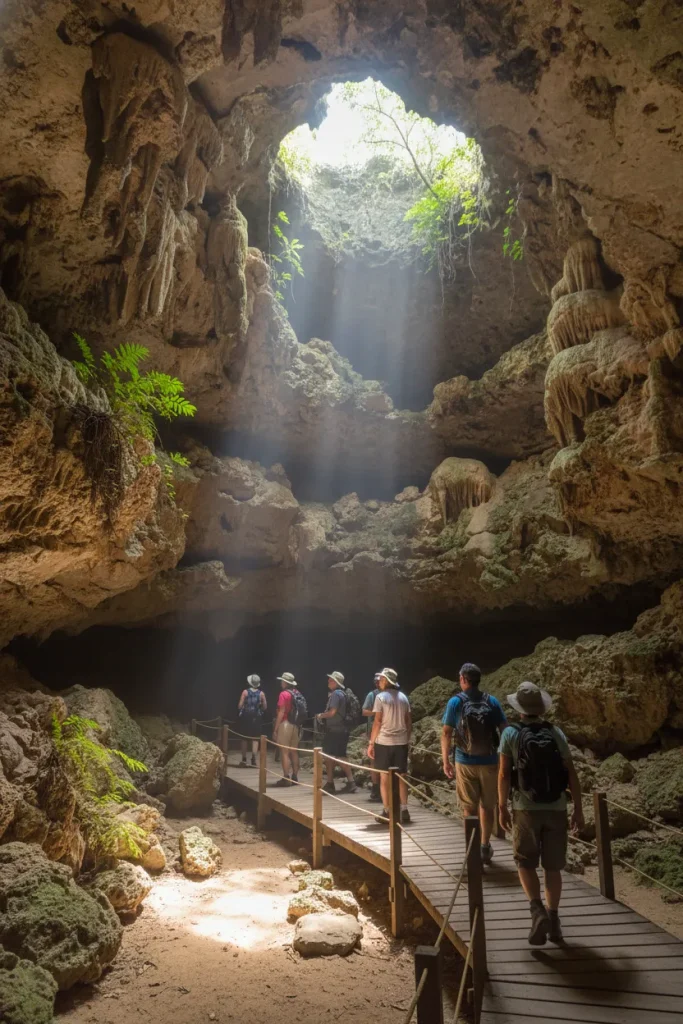
Wondering if an Aruba cave tour is a fun break from the beach? For many travelers, yes — especially if you want a short, easy adventure that adds something different to your Aruba trip. Visiting Arikok National Park caves like Fontein Cave gives you a mix of nature, history, and scenery without taking up your whole day.
Aruba is small, with short drives between highlights, so fitting in cave tours is usually very manageable. These cave stops often showcase stalactites, stalagmites, authentic Arawak cave drawings, and even a few harmless bats that make the experience feel a little more wild and memorable.
If you travel independently or with family, this guide gives honest, practical advice on whether an Aruba Cave Tour is worth it for your trip.
Guests say it simply: “The cave drawings blew us away,” shared Sarah from Boston, and Marco of Chicago added, “A short, unforgettable stop between beaches.” Those quick reactions help explain why cave visits appeal to travelers who want more than just beach time in Aruba.
✅ Browse Aruba Tours On Viator
Planning what to do? Explore our Aruba Tours & Things to Do guide for tours, activities, and trip ideas.
Planning a trip to Aruba? Explore our Aruba Guides for hotels, tours, beaches, and travel tips.
Why Aruba Cave Tours Are So Popular
Caving in Aruba mixes natural wonder with a dash of island history, giving visitors a break from sun and sand. You step from bright beaches into cool caverns carved by time, where geology meets culture in quiet chambers. This contrast explains why tours draw both families and solo travelers who want a different side of Aruba.
Unique geology and cave features
Aruba geology shows up clearly inside formations like Fontein Cave, where stalactites and stalagmites frame ancient Arawak drawings. Those petroglyphs add cultural context to the rock formations, turning a simple walk into a small archaeology lesson.
Arikok National Park caves host harmless bat colonies and unusual rock shapes that contrast with the island’s beaches. Many sites sit along park trails or appear on jeep and ATV routes, so you can pair a cave stop with a rugged inland drive.
How cave tours fit into Aruba’s “One Happy Island” appeal
Cave tours deepen the “One Happy Island” story by showing Aruba’s friendly, varied character beyond resort life. Locals often guide tours and share stories about landmarks like Alto Vista Chapel and California Lighthouse, which makes the experience feel personal and authentic.
Adding a cave tour gives your trip variety. It pairs well with beach days at Eagle Beach or Palm Beach and cultural stops in San Nicolas, so you get landscape, art, and history in one itinerary.
Best time of year and weather considerations
Aruba sits outside the hurricane belt and stays in the low to mid-80s most of the year, so cave visits are possible year-round. A steady trade wind keeps conditions comfortable and caves offer shade and cooler air on hot days.
For easier walking and better visibility inside formations, pick dry-season days and calm weather. Peak travel months fill tours quickly, so book ahead if you plan a combo like an Island Ultimate Jeep Safari. Thinking about the best time to visit Aruba helps you avoid sold-out tours and tight schedules.
Aruba Cave Tour Worth It
If you like exploring beyond the beaches, a cave visit in Aruba can add depth to your trip. You get a mix of history, geology, and off-road scenery that contrasts with coastal views. Many tours bundle stops to make the most of your time, which raises the Aruba cave tour value for travelers who want more than a sun lounger.
What makes the tour worthwhile
Fontein Cave holds Arawak petroglyphs that connect you to indigenous Caribbean history. Seeing these drawings in person gives cultural context that museums can’t fully replicate.
The island’s interior, especially inside Arikok National Park, reveals rugged rock formations and dramatic light that make for memorable photos. That scenic contrast makes the experience feel like two trips in one.
Tours are easy to combine with other highlights. Many operators offer a Natural Pool and cave combo, or include the California Lighthouse and Boca Catalina on full-island routes. That setup boosts the Aruba cave tour value by packing several sights into a single day.
Guided options such as 4×4 jeep safaris, ATV trips, and half-day excursions include transport and local knowledge. You don’t need to rent a car to reach remote sites, which keeps the outing straightforward for families and solo travelers alike.
When it might not be worth it
If your trip is a short, beach-focused getaway and you want to spend limited time relaxing on shore, a cave excursion can feel like a long detour. For some, snorkeling or a lazy day at Eagle Beach offers better returns for the same hours.
Mobility and comfort matter. Some caves require climbing steps, navigating uneven surfaces, or squeezing through low spots. If you or companions have serious mobility limits, consider skipping these stops or choosing an easier itinerary.
Tour length and cost are factors to weigh. Full-day safari tours can run nine hours and carry higher prices. If you prefer brief activities, a half-day trip or a packaged Natural Pool and cave combo may match your priorities better.
If you still wonder, should I do Fontein Cave, ask how it fits your pace and priorities. For curious travelers who want authentic stories, the answer often leans toward yes. For beach-first visitors on tight schedules, the cave visit might be optional.
Who This Cave Tour Is Best For
Aruba’s caves suit many kinds of travelers. Pick a tour that matches how active you want to be, how much context you want from guides, and whether you need easy access for little ones or older relatives.
Adventure seekers and nature lovers
If you crave rugged drives and off-the-beaten-path stops, caves inside Arikok National Park pair well with activities like the Natural Pool and jeep safaris. Expect open-air 4×4 Land Rover rides, short hikes over limestone, and scenic photo opportunities that reward effort with striking coastal views.
Families and multi-generation travelers
Families find value in mixing cave time with calmer beach breaks at Baby Beach or Renaissance Island. Look for family-friendly Aruba tours that advertise gentle paths, ranger-led walks, and clear age guidelines so grandparents and young children can join comfortably. Check tour notes for uneven terrain and any site-specific visiting rules before booking.
History and culture enthusiasts
Visitors drawn to heritage will appreciate Fontein Cave’s Arawak rock art and nearby landmarks like the Bushiribana Gold Mill Ruins and Alto Vista Chapel. Guided Aruba cultural tours and park rangers supply context about indigenous drawings and colonial history, turning a short stop into a meaningful cultural encounter.
- Who should visit Aruba caves: anyone curious about geology, island history, or an active day out.
- family-friendly Aruba tours: choose options that note easy access, shaded stops, and clear age policies.
- Aruba cultural tours: useful when you want expert interpretation of rock art and historic sites.
What To Know Before You Book: Practical Tips
Ready to add a cave visit to your Aruba plans? A few practical tips will help you pick the right format, avoid surprises at the gate, and match the physical demands to your group. Read these short points before you commit to Aruba cave tour booking or buy cave tour tickets Aruba.
Booking options and tour types
- Half-day and full-day guided tours are common. Half-day trips suit a morning or afternoon outing. Full-day jeep safaris, like the Island Ultimate Jeep Safari, pack in multiple stops and a more rugged feel.
- ATV excursions and 4×4 jeep safaris take you deeper into off-road terrain. These often include hotel pick-up, snorkel stops, and Natural Pool detours.
- Some travelers enter caves via Arikok National Park independently. Rangers sometimes offer informal guidance, but many guests prefer packaged Jaguar tours Aruba or operator-led trips for convenience and local stories.
Costs, tickets, and inclusion details
- Price depends on operator, vehicle type, and length. Full-day jeep safaris usually cost more and may include lunch, while half-day tours are cheaper but shorter.
- Check whether your booking covers Arikok National Park entry. Some tours include the park fee; others list it as an extra cost at the gate.
- Confirm what cave tour tickets Aruba cover: transport, guide, park fees, meals, and gear. Ask about limited-access sites and any separate fees, such as private-island or resort day-passes.
Physical requirements and accessibility
- Cave terrain can be uneven, with low ceilings and narrow passages. Sturdy closed-toe shoes and a steady step make the experience safer and more fun.
- Travelers with limited mobility should contact operators in advance. Many trails and cave entrances are not wheelchair friendly; some tours offer gentler, ranger-led options for a slower pace.
- If you prefer comfort over rugged adventure, choose tours that emphasize interpretation and short walks rather than strenuous hiking or steep climbs.
Packing List and Safety Considerations for Aruba Cave Tours
Before you head into Aruba’s limestone pockets, pack smart so the day stays easy and safe. A clear Aruba cave packing list keeps you prepared for uneven trails, shaded interiors, and sudden breezes.
What to bring
- Sturdy closed-toe shoes or sport sandals with good grip; avoid flip-flops on rocky floors.
- Lightweight clothing and a light long-sleeve layer for cooler cave interiors.
- A hat and reef-safe sunscreen Aruba visitors must use to protect marine life at nearby beaches and pools.
- Refillable water bottle and a small daypack for snacks and essentials.
- Insect repellent, and a compact headlamp or small flashlight if your tour operator does not provide lighting.
Safety and wildlife notes
- Expect harmless bats in some caverns. Stay calm and avoid disturbing them; this is part of the island’s natural life.
- Follow every instruction from your guide. Most incidents happen when people stray from marked paths or ignore briefings.
- Local operators are licensed and experienced. Use them for transport and guidance in remote park areas to minimize risk.
- Keep personal items secure. Aruba has low crime rates, but usual travel caution helps your day run smoother.
Photo tips and preserving cave art
- Bring a camera with low-light capability or use a smartphone night mode for better results in dim interiors.
- Ask before using flash near rock art; many sites restrict flash to protect pigments.
- Do not touch drawings or lean on rock surfaces. Oils from hands damage ancient pigments and erase detail over time.
- Pair cave shots with other island highlights like the Natural Pool, California Lighthouse, or Eagle Beach for varied memories.
If you want a quick reminder of essentials, think of what to bring to caves Aruba: good shoes, water, light layers, and reef-safe sunscreen Aruba rules favor. For specific guidelines about Fontein Cave safety, check with your tour operator before arrival so you know what to expect and what they provide on site.
How a Cave Tour Fits Into an Aruba Itinerary
Planning a day that mixes inland discovery with shoreline time is easy in Aruba. Caves pair well with beaches, historic ruins, and viewpoint stops so you can make the most of a short stay without feeling rushed.
Combining cave tours with other island highlights
Want to combine geology, history, and sand? Many travelers pack cave visits alongside Baby Beach, California Lighthouse, Bushiribana Gold Mill Ruins, and the San Nicolás murals. If you want a striking natural contrast, consider ways to combine Natural Pool and Fontein Cave into the same outing for dramatic coastal views and interior rock art.
Full-island safaris, including options from established operators like ABC Tours, often stitch caves into a longer route that hits signature stops. Pick combinations that match your priorities: snorkeling and beaches one day, caves and culture the next.
Half-day vs. full-day options
Half-day Aruba tours work best when you want an inland break and still want to return to resort time or evening plans. They are compact, easy on energy, and leave room for beach hours.
Full-day safaris suit explorers who want to see many sites in one outing. These typically include transport, multiple stops, and a seasoned guide. Expect more walking and longer windows for photography and exploration.
Transportation and logistics
Aruba’s small size keeps travel times short. Many operators include hotel pickup and drop-off, so you can skip renting a car and relax. Guided routes remove the stress of navigating narrow roads and parking at remote sites.
If you choose to rent, note local driving patterns and limited-access areas that may need advance reservations. Planning the order of activities helps avoid closed sites and makes transportation Aruba tours run smoothly.
Guest Quotes and Real Traveler Impressions
People who take cave tours in Aruba share vivid memories that mix beach days with rocky inland charm. Read these impressions to get a sense of what travelers praise, what they critique, and short micro-reviews that capture common reactions. Use these as practical context when you read Aruba cave tour reviews or compare Fontein Cave reviews before booking.
What guests love
Visitors often highlight the contrast between white sand beaches and the island’s rugged interior. Guides from local companies explain Arawak rock art with care, which many travelers find moving and informative. Off-road jeeps and ATVs add a dash of adventure, making the journey to sites like Fontein feel like part of the attraction.
Friendly guides and steady sunshine make tours feel relaxed and safe. Families single out the Natural Pool stop and the chance to spot native wildlife as standout moments. These points appear repeatedly in Aruba traveler impressions and Aruba tour feedback.
Common critiques from visitors
Some guests say full-day itineraries can be tiring. When operators pack many stops into one day, pacing feels rushed and energy dips by late afternoon. That comment shows up often in general Aruba cave tour reviews.
Accessibility is another frequent note. Travelers with mobility limits find uneven rock floors and low ceilings challenging. Clear pre-booking communication about difficulty levels would help set expectations and avoid surprises.
Lastly, a few travelers expecting vast caverns were surprised. Aruba’s caves tend to be culturally rich rather than cavernous. Managing expectations helps prevent disappointment and improves satisfaction scores in Fontein Cave reviews.
Example micro-reviews
- “A great way to see Aruba beyond the beaches—Fontein Cave’s rock art was a highlight, and we loved the Natural Pool stop on the same tour.”
- “The jeep safari was a full day but worth it for the variety—be prepared for bumpy roads and bring sunscreen and water.”
- “If you have mobility issues, check beforehand; parts of the cave involved uneven rocks and low ceilings that were tricky for our group.”
These short quotes reflect the balance of praise and practical critiques you’ll find in Aruba tour feedback. They help you weigh the experience against your own travel style and physical needs before you book.
Conclusion
An Aruba cave tour is worth it for most independent travelers and families who want more than sun and sand. The caves offer Arawak drawings, dramatic rock formations, and a cool contrast to coastal views. Pairing a cave visit with the Natural Pool or a full-island jeep safari often delivers the best value and variety.
Because Aruba sits outside the hurricane belt, cave visits are feasible year-round, which makes planning easier. When you book Aruba cave tour, pick a length and operator that match your fitness level and schedule. Confirm inclusions, park fees, and transport so the day runs smoothly.
Practical Aruba travel tips: bring reef-safe sunscreen, sturdy shoes, and a small light if your tour suggests one. Respect cave art and wildlife by keeping hands off surfaces and following your guide’s instructions. Those simple steps protect fragile sites and improve the experience for everyone.
If you want a fuller picture of Aruba—its history, raw landscapes, and unexpected pockets of wonder—make room in your itinerary for a cave visit. Pack comfortable shoes, set aside a half day or more, and treat the outing as one of the island’s most memorable stories. Book Aruba cave tour to turn a beach trip into real island discovery.