
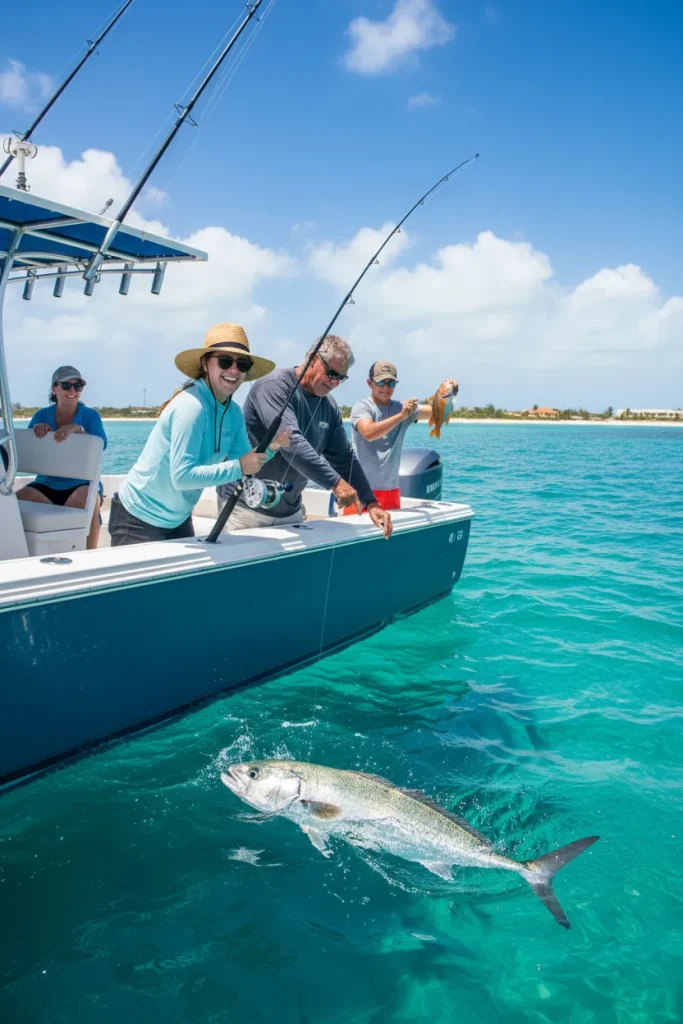
Not sure if an Aruba fishing charter is a good match for beginners? In many cases, it is — especially if you want a guided, hands-on experience where the crew does most of the setup and support. Aruba has options for everyone, from relaxed outings to more exciting deep sea fishing trips, so even first-timers can enjoy getting out on the water.
This guide will help you figure out whether Aruba fishing charters for beginners make sense for your group, whether you are planning family fishing or considering deep sea fishing for more of a thrill. We will look at which trip types are easier for novices, what captains and crews usually handle, and how different charters fit different travel styles.
“The crew taught my kids how to knot a line and cheered when we landed a bonito”,
said guest Maria Hernandez after a half-day trip. Another traveler, David Lee, told us, “We combined snorkeling and a short fishing run — perfect boat day vibe for people who just want fun, not a competition.”
Those kinds of experiences explain why many travelers find an Aruba fishing charter worth considering, even without much fishing experience.
✅ Browse Aruba Tours On Viator
Planning what to do? Explore our Aruba Tours & Things to Do guide for tours, activities, and trip ideas.
Planning a trip to Aruba? Explore our Aruba Guides for hotels, tours, beaches, and travel tips.
Is A Fishing Charter In Aruba Worth It? Quick answer for inexperienced anglers
Yes — for many travelers a fishing charter in Aruba is worth it even if you’re not an experienced angler. Crews on local boats focus on fun and learning, so your day on the water can feel relaxed, rewarding, and full of discovery.
Short verdict summary
The short Aruba fishing beginner verdict is simple: go for it if you want a low-pressure day at sea. Morning departures and short trip options make it easy to fit a charter into your vacation without committing to a full adrenaline chase.
Why most charters welcome beginners (captain and crew support)
Local captains and mates handle heavy tasks like rigging, baiting, and landing big fish, so you can focus on casting and the thrill of a bite. Boats such as the Sea-iesta and Natasha advertise hands-on instruction to help first-timers feel confident.
Types of trips that are most forgiving for novices (inshore, half-day, family-friendly)
Inshore fishing Aruba options and flats trips are gentler, use lighter tackle, and often stop at scenic spots for snorkeling. Aruba half day fishing—typically four hours—suits families and those prone to seasickness. Family-friendly combos let you mix swimming and fishing so everyone stays engaged.
What beginner anglers typically catch in Aruba (mahi mahi, bonito, jack, barracuda; seasonal marlin, tuna opportunities)
Beginner-friendly fishing Aruba most often yields mahi mahi, bonito, a variety of jacks, and barracuda. Offshore species such as wahoo, blackfin and yellowfin tuna, sailfish, and blue marlin appear seasonally and on longer trips, but they’re less common for short inshore outings.
- Common inshore targets: mahi mahi, jacks, bonito, barracuda
- When you might see big-game: tuna and marlin on full-day or peak-season trips
- Best fit for novices: short mornings, guided instruction, mixed-activity charters
Who this fishing charter in Aruba is best for — ideal travelers and groups
Aruba charters suit a broad range of travelers. Pick a trip that matches your energy level, group size, and idea of fun. Read on to match the right crew and boat to your plans.
Families with kids and multigenerational groups
Half-day options and combo trips with snorkeling keep kids engaged without tiring anyone out. Operators such as Natasha Sport Fishing and Charters Aruba advertise family-friendly itineraries and beach stops that make the day feel like a mini-adventure.
Smaller boats with room for about six passengers keep things manageable for grandparents and little ones. When planning families fishing Aruba, ask about shade, life jackets for all ages, and shorter transit times to the fishing spots.
Casual vacationers who want “boat day” vibes
If your ideal outing blends lounging, swimming, and light angling, an Aruba boat day is a great pick. Companies like Mahi Mahi Fishing Charters frame trips as scenic boating experiences where the crew handles the hard parts and guests relax.
These trips prioritize comfort and social time over sport-fishing rigor. Expect stops for snorkeling, photo ops, and easy, communal fishing that works well for mixed-ability groups.
Couples and small groups wanting guided, low-pressure experience
Fly & Spin Fishing Aruba and similar operators focus on two-person or small-capacity trips that feel private and instructive. Early departures and patient instruction make these outings ideal for couples or friends who want targeted learning without pressure.
Choose a flats or light-tackle boat if you want close attention to technique, catch-and-release practice, and a calm pace that lets you enjoy both the sport and the scenery.
Active anglers looking to learn — why mixed-experience groups work well on Aruba boats
Aruba mixed experience charters succeed because captains balance teaching with action. On boats like Hatts Off, serious gear and crew support let beginners try heavier tackle while experienced anglers chase bigger fish.
These trips are ideal if you want to improve quickly. You’ll get hands-on guidance, a chance to watch pros work the lines, and real opportunities to step up when a big fish bites.
What to know before you book an Aruba fishing charter — practical tips and expectations
Booking a trip in Aruba starts with a few clear choices. Pick the style of fishing that fits your energy and expectations so the day feels like discovery, not a scramble.
Choose trip type: inshore, offshore, or bill-fishing
Inshore trips run in shallower water, generally under 98 feet, with lighter gear and shorter battles. Offshore or deep-sea charters head beyond that depth and use heavier tackle for bigger fish. Bill-fishing trips focus on blue marlin and sailfish and are often full-day, specialized outings. If you want a quick learning curve, start with inshore to build confidence before taking on big-game runs.
Typical trip lengths and start times
Most operators offer half day (4 hours), three-quarter day (6 hours), and full day (8–10 hours). Some bill-fishing trips extend to 10 hours. Early departures are common: many boats leave around 7:00 am, while a few start at 6:15 am or 8:00 am depending on the operator. Match your stamina to the schedule when you review fishing trip lengths Aruba.
What the boat provides versus what you should bring
Charters generally supply rods, reels, bait, and life jackets. Many crews take care of licenses and tackle setup, especially on commercial trips. Still, confirm this before you pay.
Pack a small cooler with snacks and water and consider a separate dock cooler for your catch. Bring polarized sunglasses, a hat, reef-safe sunscreen, a waterproof camera or phone case, and a light jacket for spray or wind. For a quick checklist on personal gear, search Aruba charter booking tips and what to bring fishing Aruba so you don’t forget essentials.
Safety, seasickness, and fitness considerations for novices
Captains and mates help with rigging, baiting, and landing fish. Some sportfishing boats include a fighting chair and heavy tackle for big hookups. If you’re prone to motion sickness, half-day trips and morning departures reduce exposure.
Smaller-party options give more crew attention and comfort for beginners. Let the operator know about any mobility or medical needs when you book.
Seasonality and target species
Aruba fishing seasons change by species. Mahi mahi and wahoo show up at different times than marlin and tuna. Inshore waters offer jack, bonito, barracuda, snook, and juvenile tarpon on flats and near mangroves. Wind, tides, and migratory patterns affect availability, so ask your captain about current conditions when you check Aruba fishing seasons.
Use these practical notes to match trip style, timing, and gear to your goals. That way your day on the water feels like exploration rather than guesswork.
Guest quotes and real charter examples from Aruba — social proof and expectations
Read a handful of Aruba fishing charter reviews and you get a clear picture: crews make the trip. Guests praise patient instruction, safety briefings, and flexible days that mix fishing with snorkeling or a beach stop. Those notes show why visitors with little experience still leave smiling and ready to go back.
Trip testimonials from top-rated charters
- Many Aruba guest quotes highlight the Sea-iesta, a 54’ Bertram run by Mahi Mahi Fishing Charters Sea-iesta, for its roomy deck and steady ride.
- Natasha Sport Fishing reviews often mention calm, family-friendly combos that pair a 42’ Avenger trip with snorkeling or a beach visit.
- Smaller boats, like Lady Sarah and the Hatts Off fleet, earn praise for personalized attention and fast learning curves for beginners.
What guests praise
- Friendly crews who teach knots, casting, and how to fight a fish without pressure.
- Family fun that blends shallow-water angling, beach stops, and quick swims for kids.
- Occasional big-game sightings that turn a chill day on the water into a memorable catch-and-release story.
Common guest caveats
- Early departures. Expect 7:00–8:00 a.m., with flats trips leaving before dawn.
- Quiet stretches. Patience matters when the ocean goes slow between bites.
- Motion sensitivity. Half-day and inshore options help anyone prone to seasickness enjoy the trip.
Sample captain quotes and boat features
“Whether you’re a veteran or your first big game trip, we’re committed to providing an enjoyable boating and fishing adventure.”
- Natasha Sport Fishing reviews note the outfit’s beach-and-snorkel combos and the crew’s knack for easing beginners into deep-sea techniques.
- Hatts Off gear lists Rupp outriggers, downriggers, Shimano 2-speed reels, a Merritt fighting chair, and a wide array of teasers and lures, a sign the boat is ready for serious action.
Across reviews and Aruba guest quotes, the message is steady: pick the right trip for your group, expect clear instruction, and come prepared for early starts and quiet moments between the excitement.
Conclusion
If you’re asking “Aruba Fishing Charter Worth It conclusion?” the short answer is yes for most travelers. Pick the right trip type and you’ll get a relaxed boat day, guided instruction, and real chances to hook mahi mahi, bonito, and jack. For first-timers, inshore or half-day trips and family-focused boats deliver the friendliest experience and the most manageable conditions.
Decide what you want before you book. If you want a laid-back day with snorkeling, choose a half-day or combo charter. If you want to learn techniques, book a small-capacity fly & spin or guided lesson. If big-game fishing is the goal, expect a full-day offshore trip on well-equipped boats like Hatts Off or Sea-iesta and plan for a more demanding outing.
Practical prep matters: sun protection, a stocked cooler, and a motion-sickness plan make the trip more enjoyable. Crews in Aruba tend to be welcoming and hands-on, so even novices can feel confident and excited. For anyone wondering “should I book Aruba fishing charter,” weigh your group’s energy, time, and goals — chances are a carefully chosen charter will make great Aruba fishing final thoughts.