
Located at 103 Kaya Gobernador Debrot, Captain Don’s Habitat Resort has earned a reputation as a diver-first basecamp. Think easy shore access, simple boats, and a range of rooms that fit single divers, families, and groups hauling gear.
If you want a luxury, all-inclusive beach bubble, this may not be your vibe. But if you dream of freedom to dive when you want, a lively crew, and practical perks for gear logistics, this place often fits the bill.
“Best shore diving I’ve done — staff made it so easy,” one guest said. Another added, “We came back twice in two years; it’s a diver’s hub.” These themes — freedom, friendly staff, solid rooms, repeat visits — will help you sanity-check expectations.
We’ll walk through shore access, boat schedules, Marine Park rules, room types, and the overall vibe so you can decide if the price matches the experience. Read on to see who this is best for and what surprises first-timers might find.
Quick Take: Is Captain Don’s Habitat Worth Booking for Your Bonaire Trip?
Captain Don’s Habitat Resort centers on one promise: Total Diving Freedom. If your plan is shore-heavy diving and you like running your own schedule, this spot is worth a hard look.
Top reasons divers love it:
- Fast tank fills and simple logistics mean you can get back in the water quickly.
- Easy shore access lets you dive when your energy and nitrogen limits allow.
- Friendly, multilingual staff keep things low-friction for independent divers.
Potential deal-breakers:
- If you expect uniform luxury rooms or a big sandy beach scene, you may be disappointed.
- Marine Park orientation and shore warm-up dive rules can delay an arrival-day dive.
- Boat-focused divers who want many twice-daily trips might prefer other operators.
“Best shore diving I’ve done — staff made it so easy.”
How U.S. arrivals usually flow: check-in, mandatory orientation, then gear setup. That often means your first dive waits until the schedule and park requirements align.
Who uses the property: serious dive couples, groups of friends, families who value kitchens, and repeat visitors who know the system. Good value here means access and ease — easy water entry, reliable tanks, and a dive-focused rhythm rather than an all-inclusive pampered stay.
✅ Check Prices & Availability for Captain Don’s Habitat Resort
Next, we’ll map the exact location, dive access, rooms, and the on-site dive operation so you can see how Captain Don’s Habitat Resort fits your travel style.
Location Overview: Kaya Gobernador Debrot 103 in Kralendijk
At 103 Kaya Gobernador Debrot you’re about 1.8 miles north of downtown, so restaurants and shops are an easy drive or a short taxi ride. The address puts the water at your doorstep while keeping the town bustle at arm’s length.
How close it is to downtown and essentials: gobernador debrot runs along the northern waterfront, which means grocery runs and dinner outings are convenient. You’ll find local markets and casual eateries within a few minutes by car.
What the waterfront setting means for dive access: kaya gobernador sits right on the shore, and the habitat located here makes first and last-dive logistics simple. You can walk to the pier, gear up, and be in the water fast—no long haul or truck loading.
Without a car you can manage daily needs, taxis, and short errand trips. With wheels, you’ll easily explore multiple shore sites and wider island highlights. The tradeoff: this waterfront convenience favors ironshore entries over wide sandy beaches, so plan for easy ocean access rather than sunbathing perfection.
Think morning dives, a midday run into town, then sunset drinks back on the water—days here move at dive-friendly pace.
How to Get to Captain Don’s Habitat from the U.S.
Arriving from the U.S. is straightforward. Flamingo International Airport sits about six miles from Captain Don’s Habitat Resort, so transfers are short and stress-free. Expect a quick ride that gets you unpacked and near the water fast.
Typical first-day flow:
Distance and arrival flow
You land, collect luggage, and—depending on timing—you can be at check-in within 20–30 minutes. Plan to check in, attend the mandatory orientation, and set up gear. Many packages do not include diving on arrival day, so schedule your first dive for the following morning when possible.
Airport transport options
Captain Don’s Habitat Resort provides airport transportation, which helps if you’re hauling heavy dive bags or camera gear. Using the transfer reduces hassle, but taxis are readily available if you arrive late or prefer a private ride.
Why transfers matter and quick checklist
Services like transfers cut friction and keep your day simple. Before you head out, hydrate, confirm your Marine Park tag plan, and check orientation timing. Don’t rush your first underwater hours—rested divers enjoy better, safer dives.
Captain Don’s Habitat Resort, Kralendijk, Bonaire: Dive Experience at a Glance
The underwater scene here is reliable, colorful, and easy to build a week of dives around. Warm water and healthy reef systems make this a true bucket-list option for many divers.
“Diving freedom” is real: you can plan around your energy, photos, and surface intervals. Staff and facilities support a rhythm that feels flexible because operations allow 24 hours a day, 365 days year access in practical terms.
Shore vs. Boat
Most guests use shore diving as the backbone of a trip for easy repeats and max bottom time. Boats cover over 50 quick-access sites when you want variety or a specific reef spot.
A realistic daily rhythm
- Early shore or short boat run for the coolest light.
- Lunch and gear rinse, then a relaxed surface interval.
- Afternoon shore, sunset break, optional night dive if you’re rested and confident.
| Feature | Benefit | Typical Use |
|---|---|---|
| Warm Water | Comfortable, long bottom times | All-day diving |
| Easy Shore Access | Fast entries, quick repeats | Daily backbone for most guests |
| Short Boat Runs | Variety and specific sites | One or two trips per week |
“If you want maximum time underwater with minimal fuss, this setup delivers.”
Bottom line: If you value straightforward logistics and true diving freedom, this base gives you access, choice, and the kind of consistency that makes planning an efficient, joy-filled diving day.
The House Reef and the “Baby Dock” Shore Diving Setup
A short walk, a quick gear check, and the ocean greets you—no boat required. The small divers-only pier, known locally as the “Baby Dock,” makes entry simple and fast. Gear is staged on the pier, you step off with a buddy, and you’re swimming over shallow coral within seconds.
How easy entry works from the divers-only pier
Step-by-step: suit up at the rack, clip on tanks, walk the ramp, and descend. Exits are equally straightforward—climb the ladder, rinse gear at the station, and tap your logbook. This flow removes friction and encourages that extra dive everyone talks about.
Reef layout details divers care about
The true house reef begins close to shore. A drop-off starts roughly 30 feet out, so photographers and newer divers can plan buoyancy before deeper water. The gentle slope gives sheltered patches for skill practice and a nearby wall for exploration.
What you can see around the dock
Expect small but vivid life: starlet coral gardens, colorful wrasse flitting between rocks, and tiny gobies peeking from holes. Conditions favor clear shots and relaxed swims. Shore diving here pairs well with dawn runs, quick afternoon splashes, and calm night entries when visibility holds.
| Feature | Distance from Pier | Why it matters |
|---|---|---|
| Shallow Coral Garden | 0–10 ft | Great for warm-up and macro photos |
| Reef Slope | 10–30 ft | Easy navigation, relaxed depth control |
| Drop-off | ≈30 ft | Access to wall diving and bigger species |
“Step off the pier and you’re in the water before you know it.”
Practical note: this setup is a big reason the area keeps a loyal following. The pier reduces prep time, eases exits for camera rigs, and helps divers fit extra dives into any schedule. That ease is central to captain habitat’s reputation among returning guests.
Boat Dives: Schedules, Sites, and What Makes Them Different Here
Morning boat runs shape how a typical day on the water unfolds here. The operation runs three daily one-tank departures at 8:30 AM, 11:00 AM, and 2:00 PM, giving you clear windows to plan shore dives, meals, or naps.
What the posted times mean for your day
Pick a boat at 8:30 to get farther sites before lunch. The 11:00 and 2:00 runs are perfect if you want a late morning shore swim first or an easy afternoon schedule.
Access to many moored sites
Boats shuttle to 70+ moored sites on custom-built vessels. That means variety without chaos: you can sample different reef zones across a week while staying with consistent access.
Why the mooring-buoy rule matters
One boat per buoy keeps crowds down. Fewer boats at a site usually equals calmer entries, better bottom time, and less stress for underwater photographers.
- When to choose a boat: to reach specific sites efficiently or if you prefer a guided plan for the day.
- When to stick with shore: for quick repeats, max bottom time, and flexible schedules.
- Custom boats & posted times: help families and non-divers coordinate meals and shore activities while you dive.
| Departure | Purpose | Typical Guests |
|---|---|---|
| 8:30 AM | Farther sites, morning light | Photographers, early starters |
| 11:00 AM | Midday variety | Casual divers, mixed groups |
| 2:00 PM | Afternoon runs, relaxed pace | Late risers, surface-interval lovers |
“A structured boat in the morning leaves the rest of the day completely yours.”
Bottom line: use boat dives when you want reach and guidance, and combine them with shore diving to keep the week flexible and dive-focused.
Bonaire National Marine Park Rules You Must Plan Around
Before you plan your first splash, there are a few local rules that shape every dive day. All waters around the island are part of a marine park system. Knowing the basics helps you plan, not panic.
What the $25 fee covers
The annual Marine Park tag is $25 and lets you access the marine park for the calendar year. That fee also includes entry to Washington-Slagbaai National Park—bring the tag, the paper receipt, and a photo ID at park gates.
Orientation and the warm-up rule
If you haven’t been on-island earlier this calendar year, you must attend a mandatory orientation. The on-site session runs at 9:00 AM daily. After orientation, a shore warm-up dive on the house reef is required before any other dives.
Why arrival-day diving often isn’t included
Packages usually exclude diving on arrival day because of orientation timing and the mandatory warm-up dive. Plan to unpack, grab dinner, and rest—then hit the water fresh the next morning.
Core protection rules and the upside
- No anchoring on reefs.
- No spearfishing or removing anything from the reef.
- Do not touch coral or harass wildlife.
These rules support long-term marine conservation and help keep reefs healthy for every diver who returns.
Dive Center Credentials and Training Options (PADI, SDI, TDI)
The dive shop here mixes professional training with easygoing island energy, so you can learn without feeling staged.
What the credentials mean for you: the operation is a PADI Resort and an SDI 5 Star Professional Development Center with multilingual instructors. That translates to consistent standards, regular instructor availability, and a culture that values teaching—without the fluff.
Courses, specialties, and who should train
Newer divers get confidence in local conditions, and experienced divers can chase specialties or refreshers. Over 20 specialty options are offered, so this is more than casual fun dives—it’s a place to build skills.
Technical pathways and classroom support
Full technical diving support exists on-site. A dedicated classroom backs Rebreather and Tri-Mix tracks and other TDI courses. If you want technical diving, inquire ahead to reserve space and materials.
Photo gear and extra help
BonPhoto provides photo/video rentals, sales, and private instruction. Those services help you lift underwater images from snapshots to keepsakes.
| Credential | Benefit | Who it helps |
|---|---|---|
| PADI / SDI | Standardized training | All levels |
| TDI / Technical | Advanced support | Technical divers |
| BonPhoto | Camera gear & coaching | Photographers |
“If technical diving or pro photo work matters, this setup can be the deciding factor when you book.”
Accommodations at Captain Don’s Habitat: Rooms, Suites, Bungalows, and Villas
From compact ocean view rooms to full three-bedroom villas, choices lean toward function and comfort. You’ll find options for quick sleep-and-dive couples and for groups that need space to spread out.
Deluxe ocean view rooms and what that means
Deluxe ocean view rooms often include a private balcony with a partial sea sightline. Confirm the exact angle when you book so expectations match reality. These view rooms are a good pick if you want morning light without a large footprint.
Waterfront deluxe junior suites
Waterfront deluxe junior suites add living space and upgraded amenities. They feel like the sweet spot: more room than standard rooms, but less upkeep than a full bungalow.
Bungalows, remodeled options, and patios
One- to three-bedroom bungalows include full kitchens, living areas, and covered patios for gear drying and downtime. A remodeled three-bedroom bungalow adds upgraded furnishings and a private gear rinse area—handy after saltwater days.
Ocean front villas and garden view alternatives
The three-bedroom ocean front villa suits groups and long stays with multiple bathrooms and a full kitchen. If you prefer shade and calm, a garden view unit can be quieter and greener.
| Type | Best for | Notable features |
|---|---|---|
| Deluxe Ocean View rooms | Couples, quick stays | Private balcony, partial sea views, air conditioning |
| Waterfront Junior Suites | Couples wanting space | Extra living area, coffee maker, larger bathroom |
| 1–3 Bedroom Bungalows | Families, groups | Full kitchen, living room, covered patios, king bed or queen beds options |
| Ocean Front Villa | Groups, long stays | Multiple baths, full kitchen, gear space, air conditioning |
On-Property Amenities and Guest Services Beyond Diving
Captain Don’s Habitat Resort offers a clear break from constant gear swaps. You’ll find places to relax, get errands done, and regroup between dives. These extras keep the week balanced and low-stress.
Pool, spa, and lounge areas for surface intervals
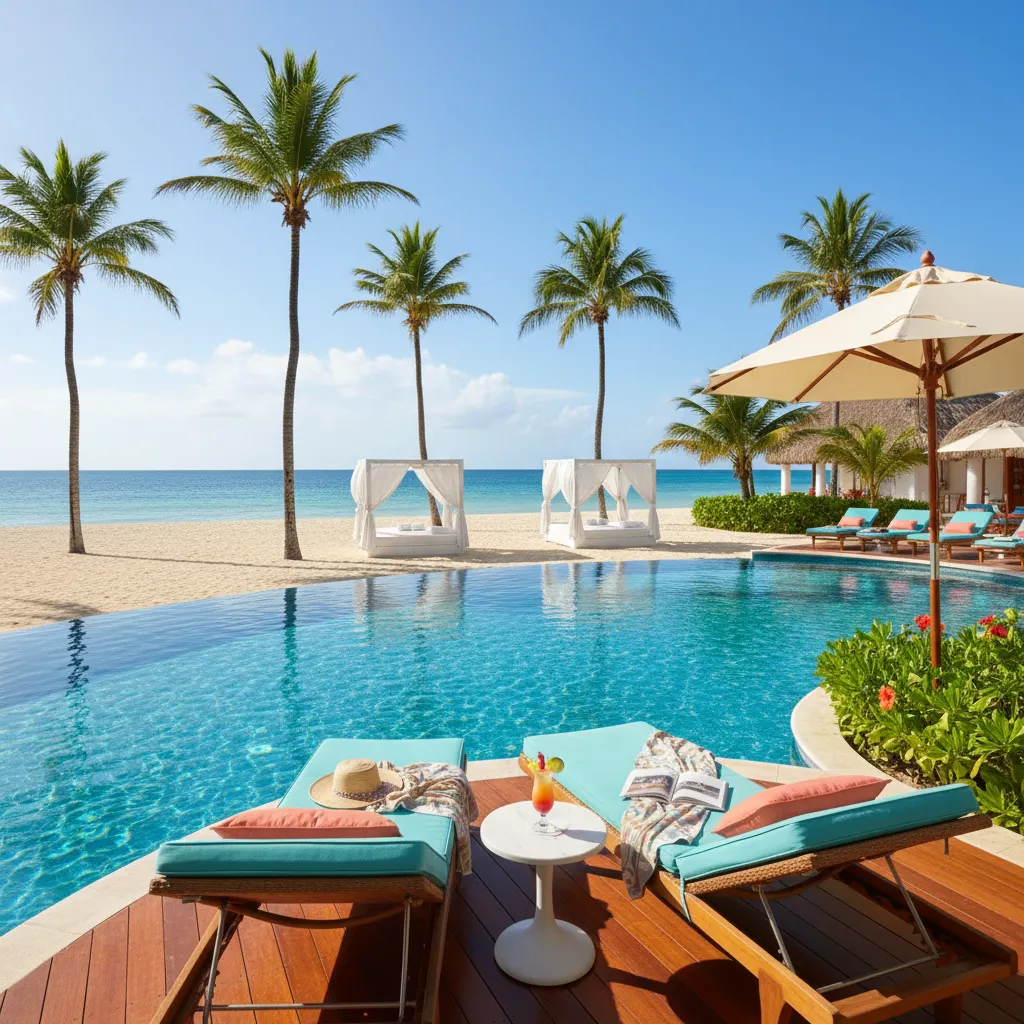
The pool is a bright spot for cooling off after a morning dive. A nearby spa provides short treatments that reset tired shoulders. Several shaded lounge areas make surface intervals feel like part of the holiday, not a rush.
Front desk support and multilingual staff
A 24-hour front desk and multilingual staff solve late arrivals, lost baggage, and quick questions without friction. That kind of support matters when travel plans change and you just want clear answers fast.
Practical add-ons that make a long dive week easy
On-site car rentals let you shore-hop and run grocery trips on your own schedule. Laundry and dry-cleaning handle rash guards and towels. Babysitting and activity coordination help families stay flexible.
Meeting spaces and who uses them
Small meeting rooms host dive clubs, photo workshops, or short team meetups. They’re practical, not corporate — good for groups that want a quiet place to plan the next day.
| Amenity | Benefit | Who uses it |
|---|---|---|
| Pool | Relaxation and quick cool-down | All guests |
| Spa | Muscle reset, short treatments | Photographers, older divers |
| Car Rentals | Independent shore access | Explorers and families |
| Safe-Deposit Boxes | Secure storage for passports and gear | All divers |
“Between dives we always hit the pool, then sort gear and plan the next site.”
Note: A quick mix of on-site services and social spots means the whole stay feels like a trip, not just a series of dives. The simple comforts here support the dive-focused habitat without turning it into a full-on luxury resort.
Food, Drinks, and Post-Dive Hangouts at the Resort
When you’re sunburnt, salty, and tired, knowing where to eat without thinking is gold. Captain Don’s Habitat Resort serves three easy options that cover a sit-down dinner, a fast bite, and a social bar scene. Each spot suits typical diver days and late arrivals alike.
Rum Runners Restaurant
Rum Runners is the sit-down anchor with an international menu and daily local specials. It’s the convenient choice when you’re wiped out and don’t want to venture out. Expect familiar comfort dishes alongside island-inspired plates that change by the day.
Pizza Temple
For timing-tight days, Pizza Temple is the practical hero. Thin-crust pies baked in a stone oven come out fast, making take-away between dives easy. It’s ideal when you want food that fits your schedule without fuss.
Deco Stop Bar
Deco Stop Bar is the social hub where guests and locals mingle. Watch a game, swap dive stories, and enjoy the sunset vibe. Happy Hour runs daily from 5:30 PM to 6:30 PM, a reliable window for cheaper drinks and meeting fellow divers.
- Where to eat without thinking: Rum Runners for sit-down, Pizza Temple for speed, Deco Stop for socializing.
- Community feel: These spots make it easy to meet other divers, especially if you travel solo.
- Planning note: If you book early boat runs, check breakfast and coffee hours so you’re fueled before departure.
“Good food and an easy bar make the dive week feel like a community, not just a checklist.”
| Spot | Best for | Key detail |
|---|---|---|
| Rum Runners Restaurant | Sit-down dinners | International menu + daily specials |
| Pizza Temple | Quick meals, take-away | Stone-oven thin crust |
| Deco Stop Bar | Social hangouts | Happy Hour 5:30–6:30 PM |
Eco-Friendly and Conservation Focus: Captain Don Stewart’s Legacy
You can see the eco-intent in small design choices that add up to real protection for the reefs you came to dive. Founded in 1976 by underwater environmentalist captain stewart, the property was built around sustainable tourism ideals rather than as a marketing label.
Built for low impact and longevity
The original plan used low-impact construction methods that limit habitat disruption. Today that shows up as solar water heaters, energy-saving devices, and materials chosen to reduce maintenance and waste.
Landscaping that protects the reef
Landscaping here is practical. Native and adapted plants reduce runoff and trap sediments before they reach the shore.
Why it matters: runoff control is a quiet but effective part of ongoing marine conservation.
Wildlife you’ll notice on a walk
Walk the grounds and you’ll spot iguanas, small lizards, and more than 50 bird species. Lush plantings—both indigenous and introduced—create a mini sanctuary between dives.
“Built with conservation baked in, not tacked on.”
- Booking note: the founder’s values mean your stay supports long-term reef care.
- Practical benefit: energy-efficient systems lower footprint without sacrificing comfort.
- Guest takeaway: protecting the ecosystem preserves the very dive sites you want to enjoy.
Guest Quotes and Common Themes from Divers Who Stay Here
Frequent guests often boil their feedback down to a few clear themes: freedom, convenience, and friendly faces. These patterns help you spot reliable trends instead of one-off praise.
Shore access and the feeling of diving freedom
“Step off the dock and go.” is a recurring line. Many guests praise the easy shore diving entry and the nearby house reef that makes it simple to fit in an extra dive between meals.
Staff, service, and overall vibe
Guests note a relaxed, multilingual team that helps without micro-managing. That friendly vibe matters on weeklong trips when you want help, not a lecture.
Rooms, patios, and views
Comments often mention patios for drying gear and social time. Travelers describe an ocean view room as bright and active, while a garden view feels quieter and shaded. Verify exact room placement when you book.
How repeat visitors plan the ideal week
Regulars mix mostly shore dives with a single boat day for variety. The pattern: morning shore sessions, a midweek boat trip, then more self-paced shore dives to finish strong.
“We come back for the diving freedom and the relaxed crew.”
Common downsides: most complaints are about mismatched expectations for room style or luxury level. Read photos and ask questions to self-select correctly.
Conclusion
When your trip is all about maximizing bottom time, the setup here makes that simple. At 103 Kaya—listed as 103 kaya on maps at kaya gobernador debrot—you get easy shoreline entries, short transfers from the airport (~6 miles) and resort transportation if you need it.
If you want independence and nonstop water time, Captain Don’s Habitat Resort is a strong yes. The house reef, three daily boat departures, and a policy that lets you plan your own rhythm (practically 365 days, 365 days year) are the biggest value drivers.
Remember logistics: mandatory Marine Park orientation and the warm-up shore dive often mean arrival-day diving is unlikely. Plan travel, pack for a quick orientation, and budget the park fee.
Quick checklist: pick a room that fits gear needs, decide shore vs. boat mix, arrange transport, and buy the Marine Park tag. If you travel curious and respectful, captain habitat offers a straightforward, dive-first stay that rewards repeat visits.